Dunton Hot Springs Fuels Heritage Tourism and Local Economy Debate
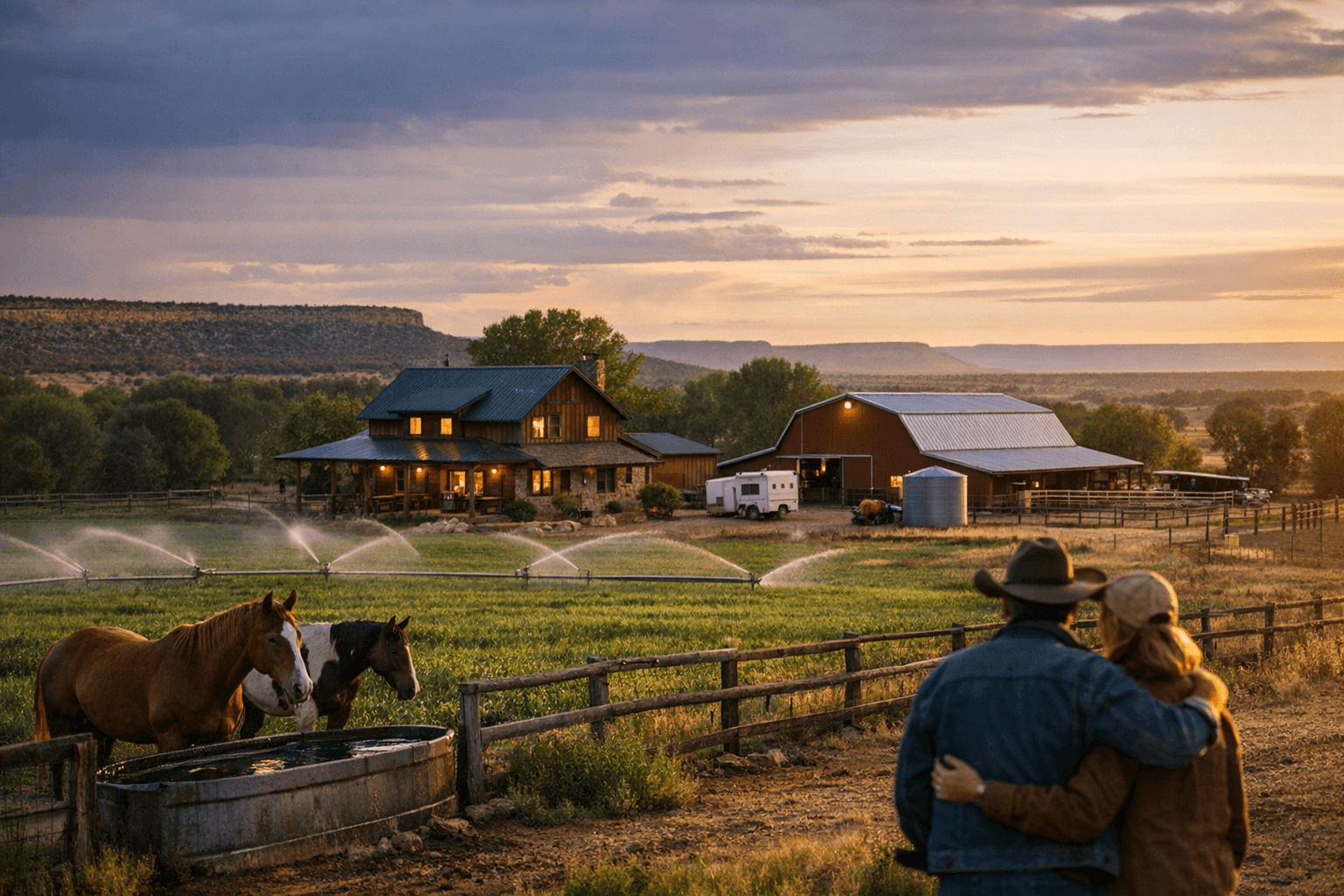
Dunton Hot Springs, a former 19th-century mining settlement homesteaded in 1885, was redeveloped in the 1990s into a private luxury resort centered on rustic cabins and mineral springs. Its remote location—about 6 miles northwest of Rico at roughly 8,900 feet on the West Fork of the Dolores River—makes the site both an economic asset and a policy challenge for Dolores County residents.
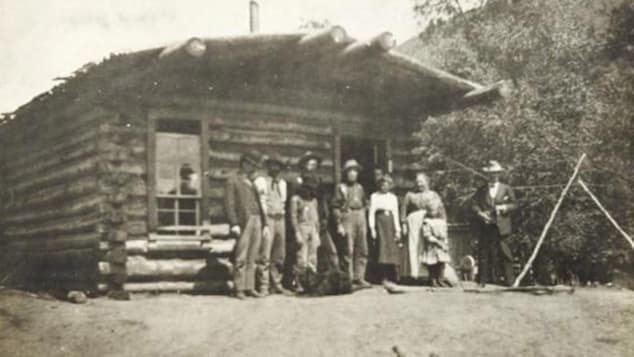
Dunton Hot Springs occupies a small cluster of historic log buildings and geothermal springs in the San Juan Mountains of eastern Dolores County. The site’s transition from a mining-era settlement to a dude ranch and, ultimately, a high-end resort in the 1990s has made it an emblem of heritage tourism and private redevelopment in the county. The springs themselves emerge at about 108°F from red sandstone and shale bedrock, and the property sits on the West Fork of the Dolores River roughly 6 miles northwest of Rico at an elevation near 8,900 feet.
For Dolores County, Dunton is significant on multiple fronts. As a distinctive destination offering rustic cabins, mineral bathing and access to remote high-country recreation, it draws visitors who spend locally on fuel, groceries, restaurants and guide services in nearby towns. Its appeal rests on geological and recreational assets: geothermal water, scenic mountain terrain and proximity to National Forest lands that provide hiking, fishing and backcountry access. Those features fit broader rural trends in which natural amenities and cultural heritage attract higher-spending visitors and investors.
At the same time, private redevelopment raises familiar local policy questions. Luxury resorts can broaden the taxable base and create seasonal jobs, but they may also contribute to rising property values and strain limited local infrastructure during peak periods. County leaders must weigh land-use rules, emergency and search-and-rescue capacity in backcountry terrain, road maintenance on access routes, and the distribution of visitor-generated revenue. Tourism that relies on private, renovated historic properties can produce economic gains while limiting public access to certain heritage assets; that balance matters for residents who live and work in Dolores County year-round.
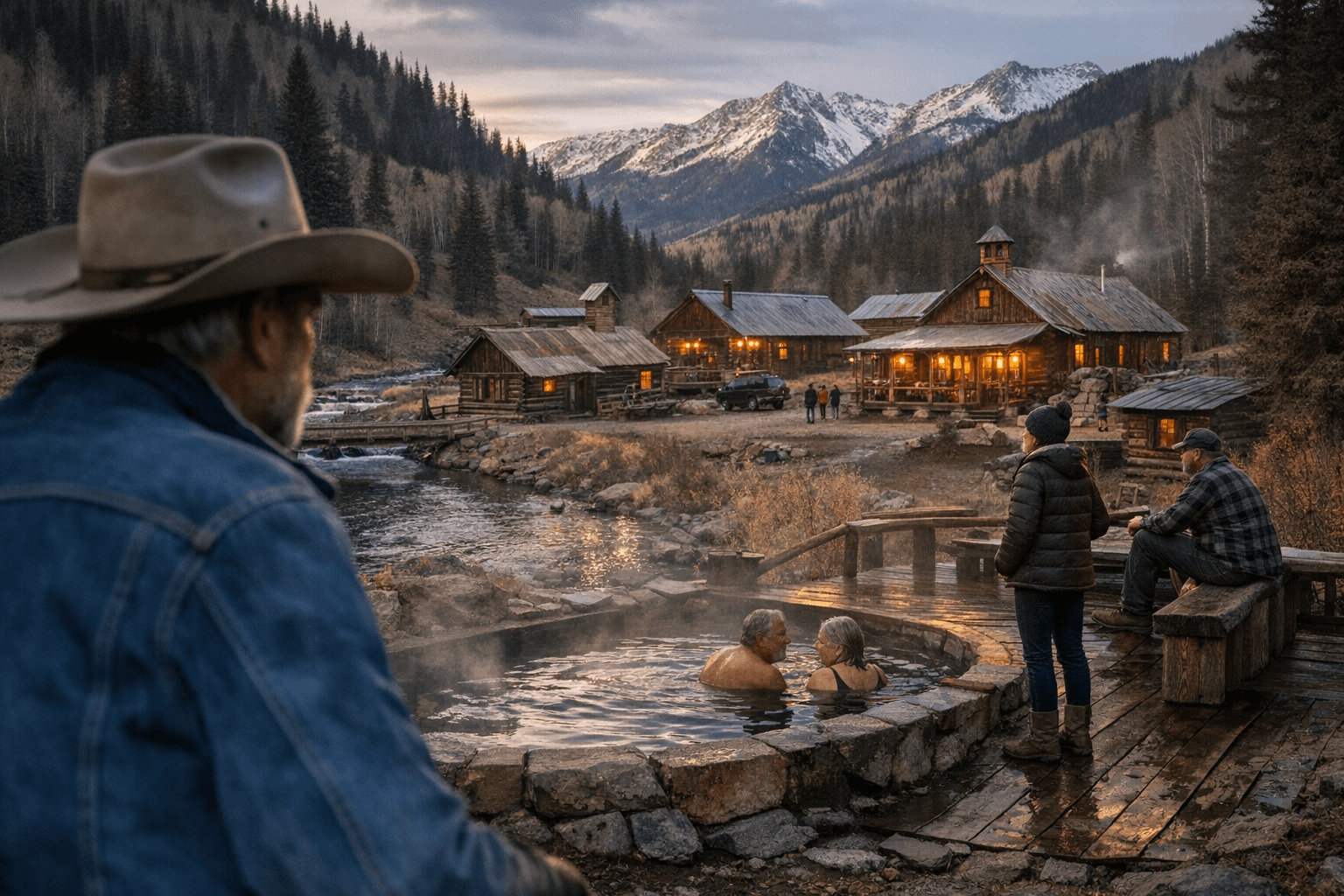
Long-term trends suggest Delores County will continue to encounter amenity-driven investment that blends conservation, recreation and upscale lodging. Managing those trends will require aligning planning, public-safety resources and revenue strategies so that the county captures benefits without sacrificing access or resilience. For locals, Dunton is both a reminder of the county’s mining-era roots and a case study in how private capital and scenic geology combine to reshape small rural economies.
Sources:
Know something we missed? Have a correction or additional information?
Submit a Tip