Eastern Navajo Commission Reviews Uranium Cleanup Plans, Demands Oversight
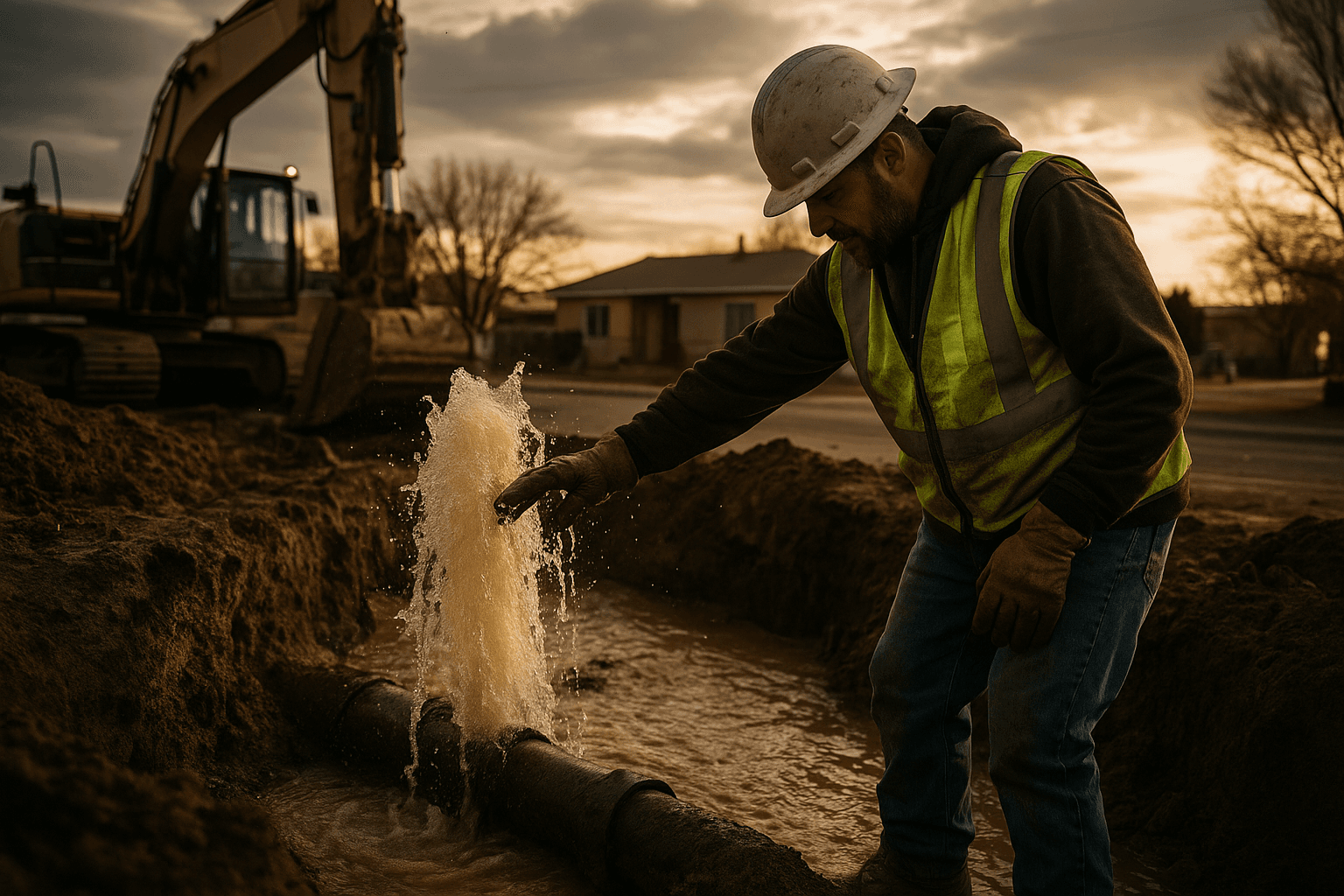
The Eastern Navajo Land Commission met on December 5, 2025 to review updates on uranium cleanup projects and remediation technology proposals, focusing on project timelines, funding, and coordination between federal and tribal authorities. The meeting highlighted community concerns about health monitoring and long term oversight, matters that will shape remediation timelines and resource allocation across McKinley County.
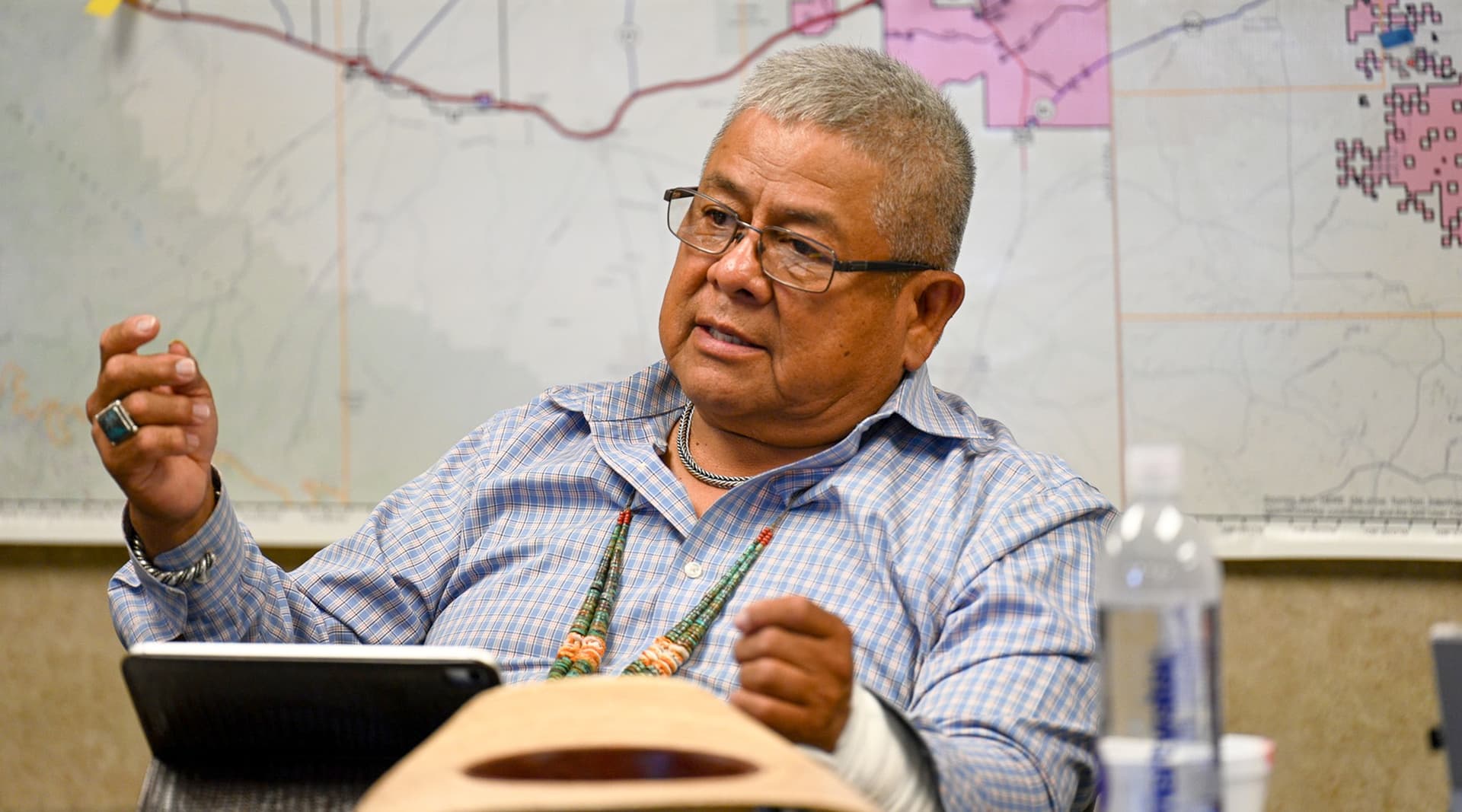
On December 5, 2025 the Eastern Navajo Land Commission convened to hear a series of presentations updating commissioners on uranium cleanup efforts affecting Navajo lands within and around McKinley County. Presenters outlined project timelines, described remediation technology proposals under consideration, and flagged issues tied to funding and federal and tribal coordination. Commissioners pressed for clearer benchmarks and promised follow up actions to ensure accountability.
The meeting put immediate focus on two interlocking priorities for residents. First, commissioners sought more definitive schedules for cleanup work so communities can understand when sites will be stabilized and when restrictions on land or water use may change. Second, commission members expressed concern about community health monitoring and the frameworks that will govern long term oversight of remediated areas. Those governance questions carry direct consequences for local families, tribal authorities, and county officials who must plan services and public health responses around remediation progress.
Funding and coordination emerged as central constraints. Presenters described the need to align federal funding streams with tribal priorities, and commissioners noted gaps in transparency that complicate community planning. Pending decisions about which remediation technologies to deploy will determine both the pace of cleanup and the level of ongoing maintenance that sites will require. The commission identified potential requests for additional environmental studies and expanded community briefings as follow up steps to reduce uncertainty.
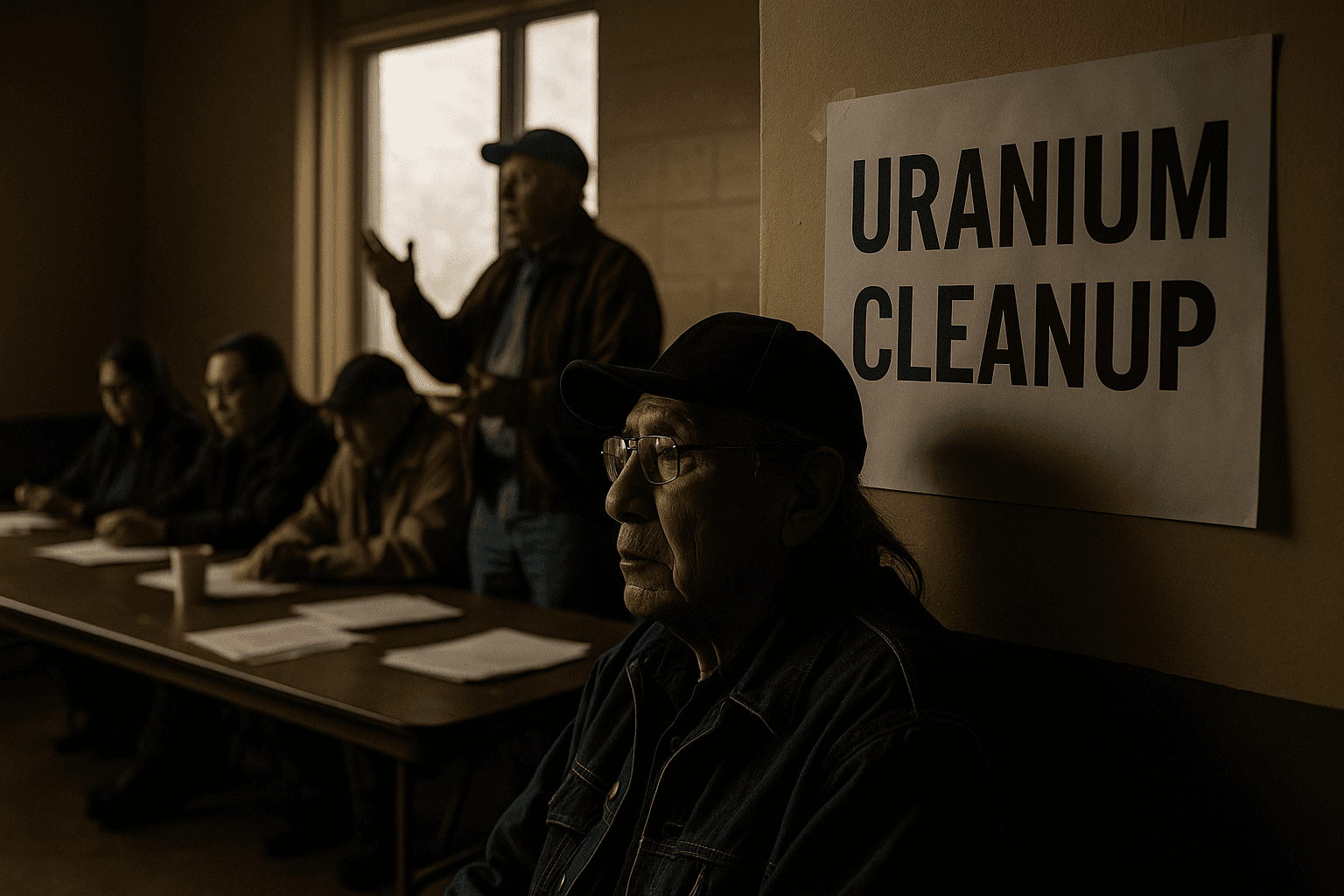
For McKinley County residents the meeting underscored the prolonged nature of addressing legacy uranium contamination on Navajo lands and the importance of local participation in oversight. Commission actions in the coming weeks may include formal requests for more detailed environmental analyses, targeted funding proposals, and public sessions to explain technical choices and timelines. Those moves will influence how quickly communities see measurable reductions in exposure risk, how tribal and federal agencies share responsibility, and how local governments plan health and infrastructure services.
The commission signaled a continued commitment to transparency and resources, while acknowledging that resolving long standing contamination will require sustained coordination, clear timelines, and community centered monitoring.