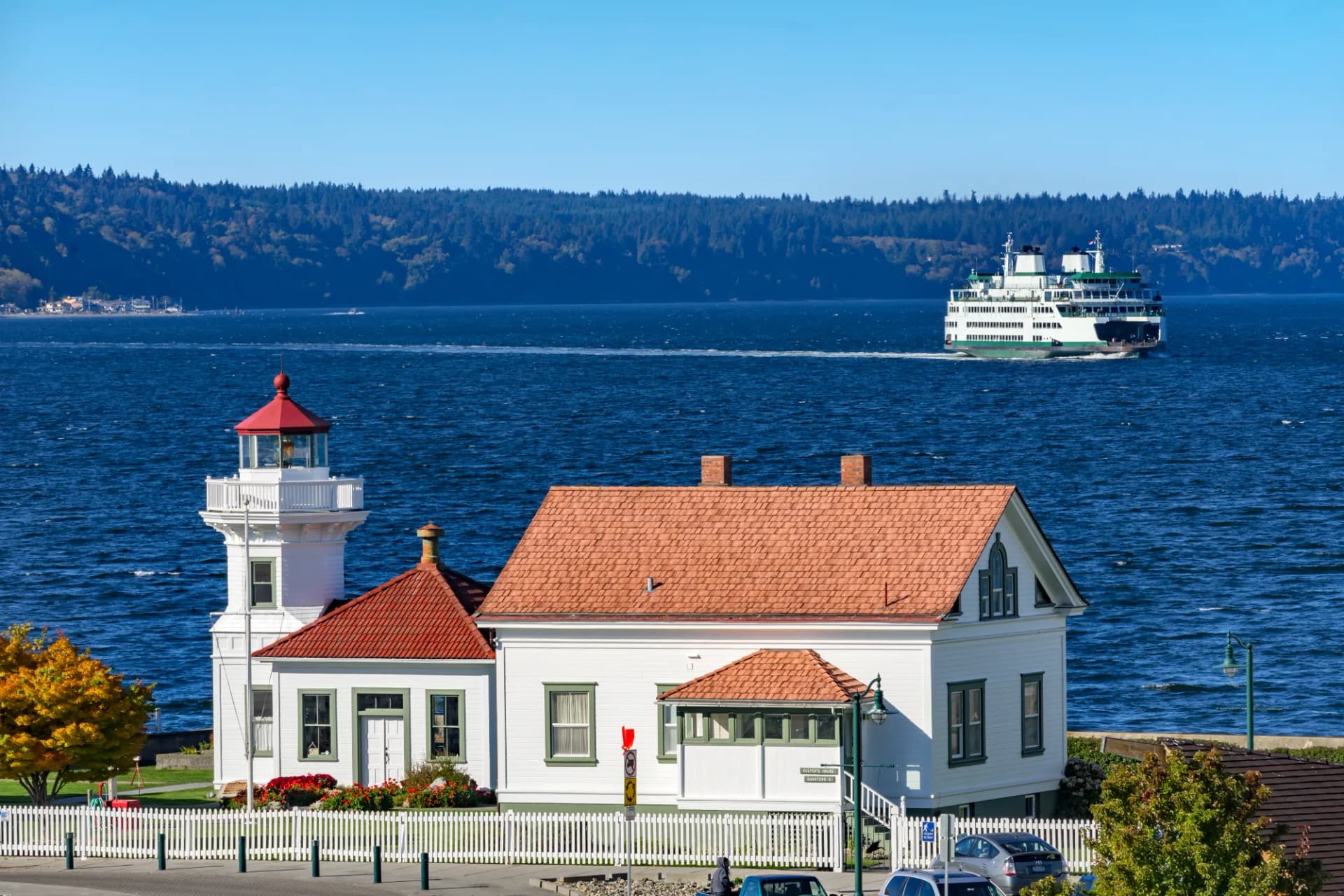
Ebey’s Landing Reserve Protects Farms, Trails and Local Economy
Ebey’s Landing National Historical Reserve near Coupeville preserves working farmland, historic buildings and coastal bluff landscapes while offering scenic trails with views across Puget Sound and the Olympic Mountains. The reserve matters to Island County residents because it supports local agriculture, draws visitors to Coupeville businesses, and requires careful management of parking, access and private farmland to sustain both tourism and farming.
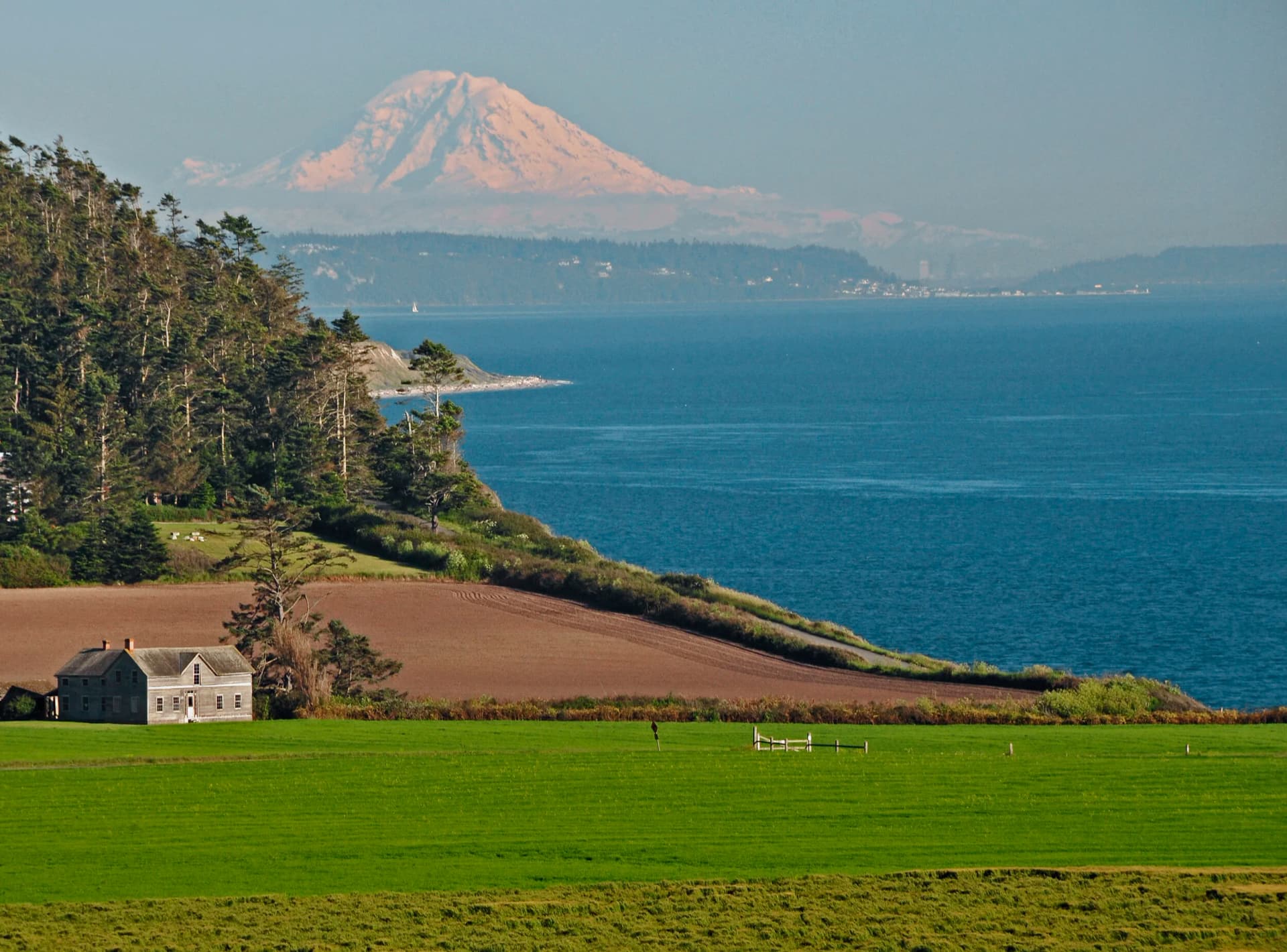
Ebey’s Landing National Historical Reserve, adjacent to Coupeville, combines preserved agricultural land, historic structures and coastal bluff scenery that tell the story of Whidbey Island settlement. Visitors come for bluffside trails with panoramic views across Puget Sound and the Olympic Mountains, interpretive signage about the Ebey family and early settlers, and access points to Ebey’s Landing State Park including trailhead parking and beach access via Admiralty Inlet. The proximity of historic Coupeville, with its shops, restaurants and museums, amplifies the site’s role in the local visitor economy.
The reserve is also active working agricultural land. Much of the area is privately farmed, and visitors are asked to respect private property while using public trails. Practical visitor guidance includes keeping dogs on leash, packing layers for changeable coastal weather, and planning for limited parking during weekends and summer. Weekday mornings in the off season from fall through spring tend to offer quieter trails, while late spring brings wildflower displays that attract additional visitors. Park maps and trail guides are maintained by Washington State Parks and Ebey’s Landing Reserve partners, and residents should check county and park websites for current parking and trail advisories.
From an economic perspective the reserve functions as both a conservation and community asset. Preserving working farmland helps sustain local agricultural activity and the tax base, while scenic and historic resources generate foot traffic for Coupeville businesses. Limited parking and crowded weekends present an operational constraint that can reduce visitor satisfaction and constrain the commercial upside for restaurants and shops when access becomes difficult. Managing that balance requires coordination among state parks, reserve partners and county planners.
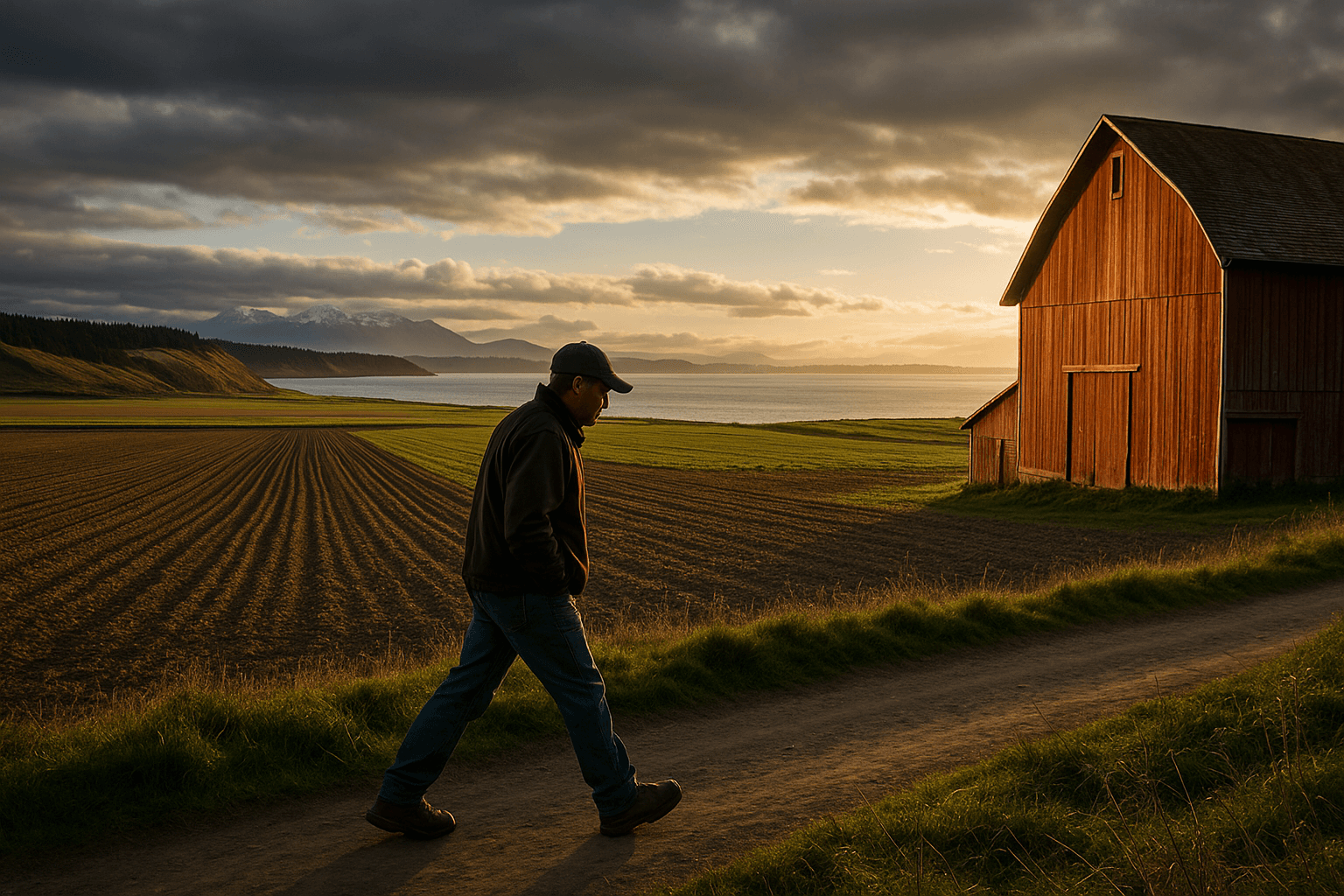
Longer term, maintaining the reserve will depend on policies that reconcile public access with farmland protection. Tools that local officials might consider include scheduling and signage measures to ease peak day pressure, strengthened communications about private land boundaries, and continued investment in trail maintenance. For Island County residents the reserve remains a tangible link to local history and a practical contributor to the island economy, but its value depends on continued stewardship and sensible access management.
Sources:
Know something we missed? Have a correction or additional information?
Submit a Tip