Economist Testifies NASCAR Owes $364.7 Million to Teams, Trial Intensifies
An economist testifying in Michael Jordan’s antitrust lawsuit against NASCAR tells a Charlotte courtroom the sanctioning body owes $364.7 million to two teams, a figure that crystallizes long simmering disputes over revenue sharing. The testimony could reshape the economics of stock car racing and raise new questions about governance, transparency and competitive fairness across professional sports.
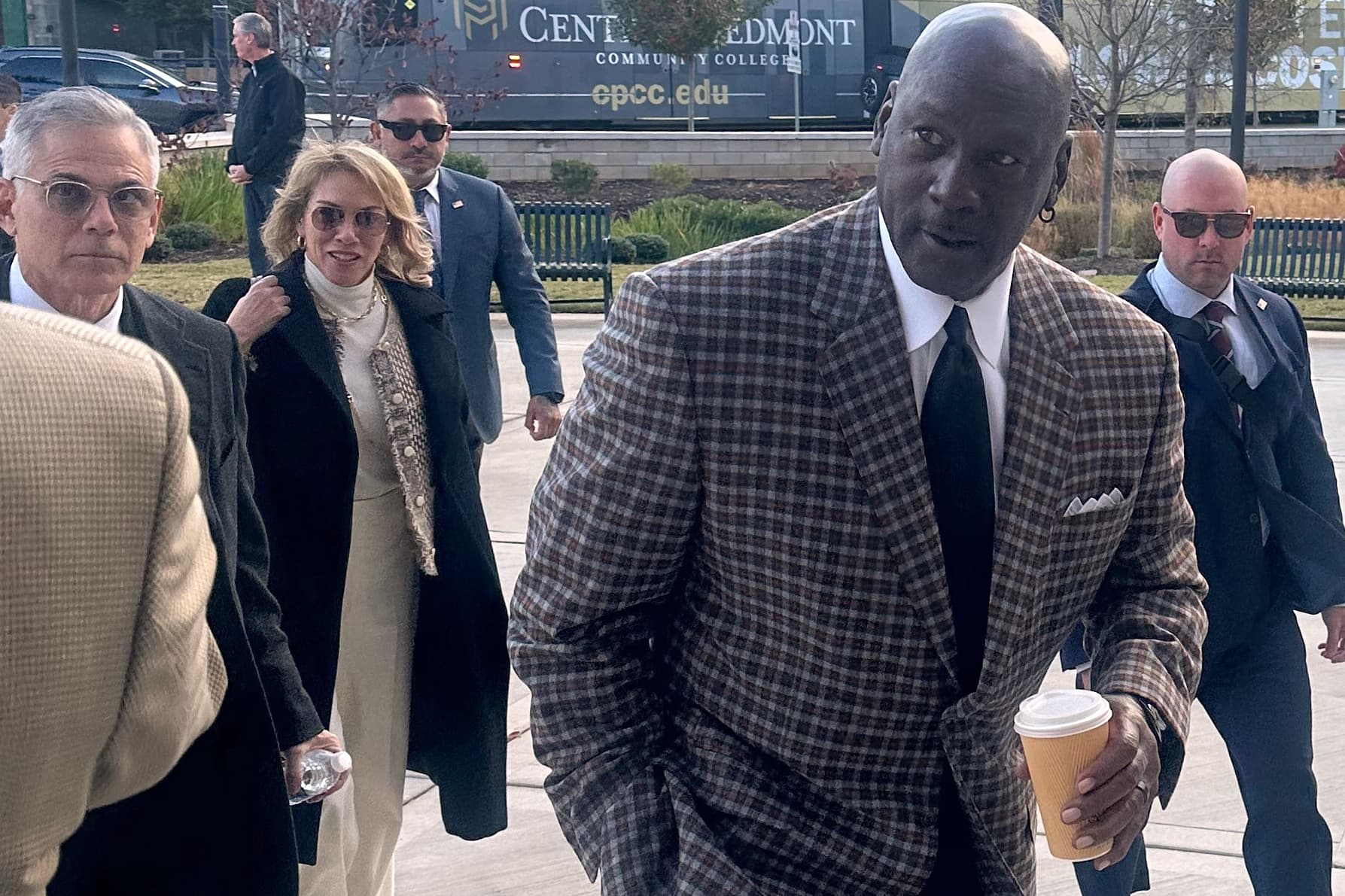
An economist called by the plaintiffs told a federal courtroom in Charlotte today that NASCAR owes two racing teams a combined $364.7 million in damages, quantifying alleged lost revenues tied to the sanctioning body’s handling of revenue distribution and commercial arrangements. The testimony seeks to convert broad antitrust claims into a specific monetary remedy by applying formulas that account for reduced profits and market impact over recent seasons.
The suit, brought in part by Michael Jordan as a named plaintiff in a case that has drawn national attention, centers on allegations that NASCAR engaged in anticompetitive conduct when it allocated media revenue, sponsorship income and other commercial benefits. The plaintiff teams contend that contractual practices and behind the scenes arrangements diverted money away from them, impairing their competitiveness and financial viability. The economist testified that the plaintiffs’ economic losses can be traced to that conduct and presented a damages model reaching the $364.7 million figure.
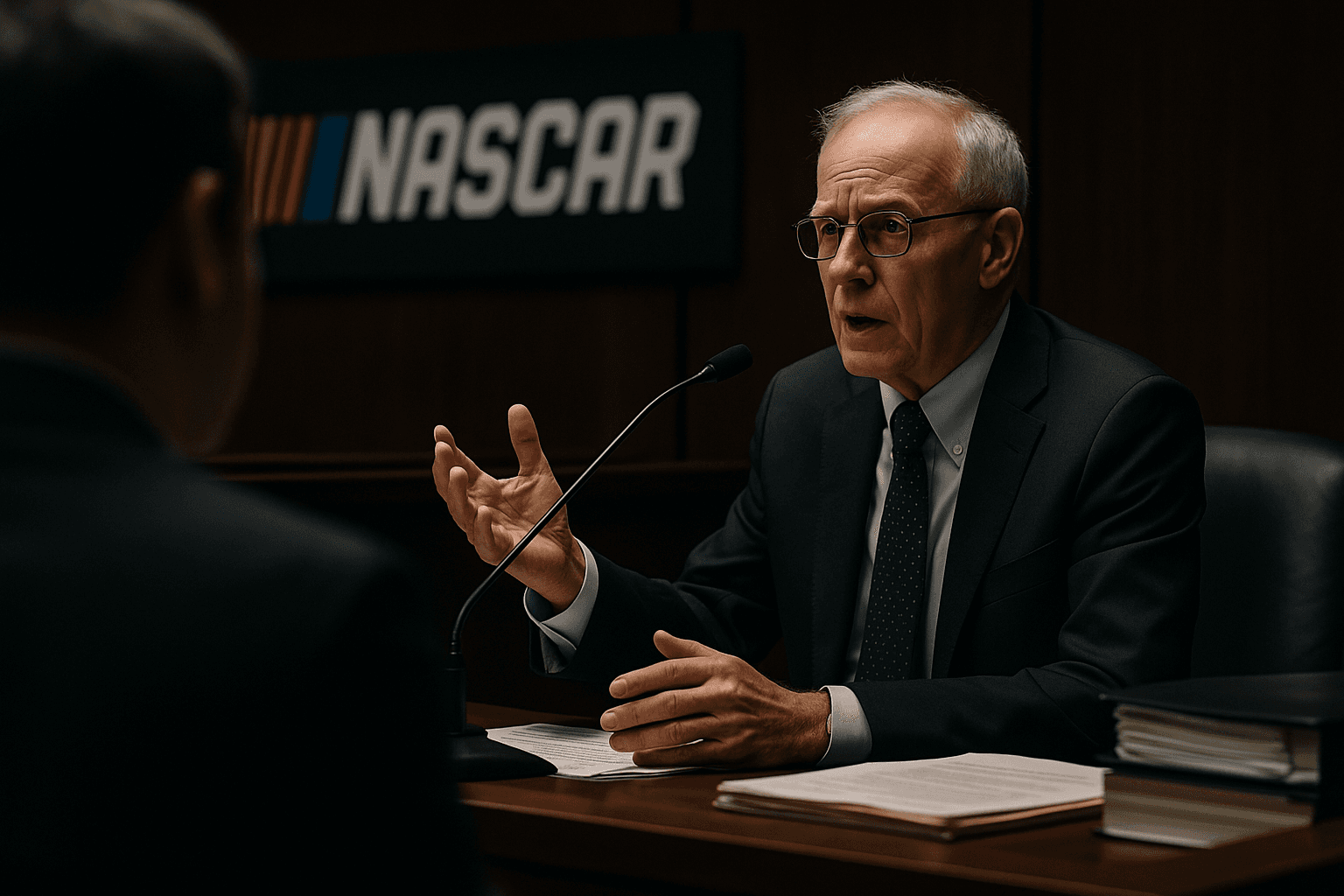
Courtroom testimony focused on methodology as much as on the number itself. The witness described the inputs used to estimate lost revenues, adjustments for profits that would have been earned absent the contested conduct, and analysis of how market effects ripple through team finances and sponsorship markets. The expert sought to connect those calculations to specific contractual terms and decisions by NASCAR over recent seasons, a causal link that will be scrutinized by defense experts and the judge or jury.
Beyond the courtroom arithmetic, the case raises larger questions about how modern sports leagues distribute value among teams, how transparency and governance are enforced, and how commercial partnerships are negotiated. NASCAR is not a closed league in the same way as some other major sports, but its centralized control over media rights, race sanctioning and sponsor relationships makes its revenue allocation practices a linchpin of team economics. A ruling in favor of the plaintiffs could force a reordering of contracts and a reassessment of revenue sharing across the sport.
The potential business fallout is significant. Teams rely on predictable revenue streams to attract sponsors, invest in technology and retain drivers. A multi hundred million dollar judgment could prompt renegotiations with broadcasters and corporate partners, alter valuations for team owners, and influence how new sponsors view the sport. For emerging teams and crew members, the case spotlights perennial tensions over how wealth is created and distributed in professional racing.
Culturally the lawsuit underscores a shift in how participants in sports use the courts to settle governance disputes that were once handled behind closed doors. The involvement of a global icon like Michael Jordan amplifies public interest and frames the fight as part of a broader movement toward accountability in sports business practices.
The trial is ongoing and further testimony from legal and financial experts is expected. The economic analysis presented today will face detailed cross examination, and its fate will be determined as the court weighs complex questions about causation, market definition and the remedies appropriate when a major league is accused of anticompetitive conduct.