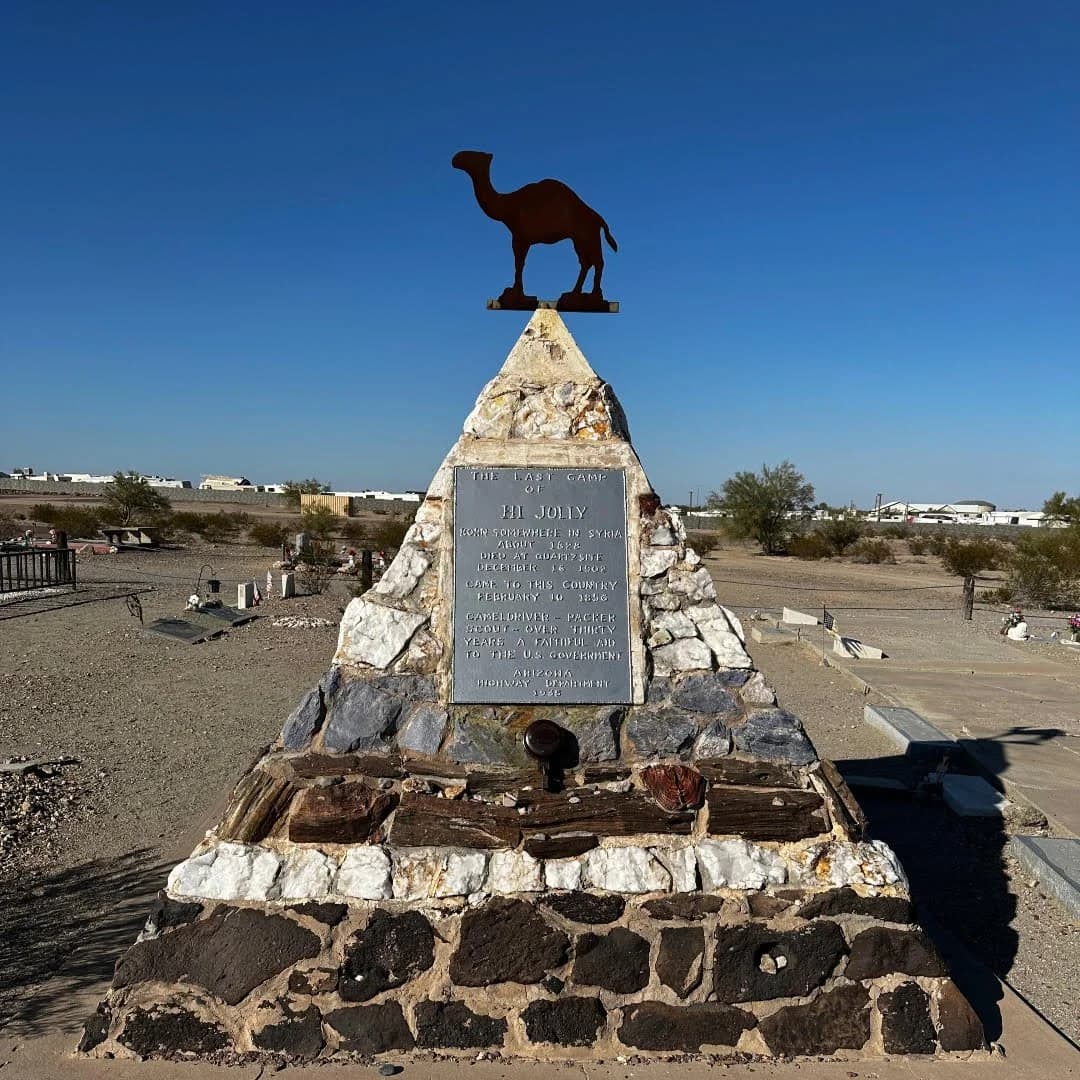
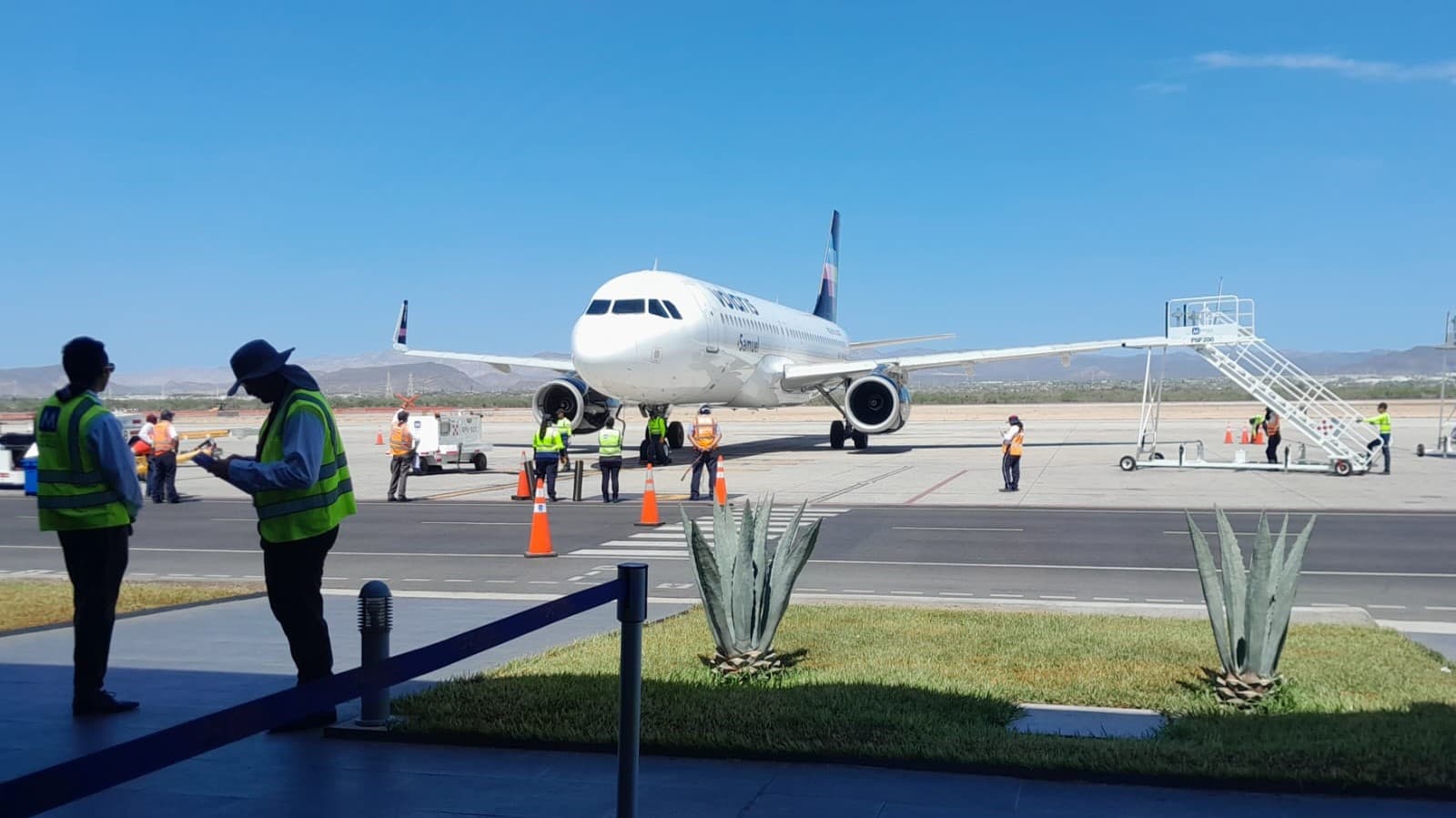
Ehrenberg and Bouse Offer Riverfront History, Pose Safety Challenges
Small historic communities in La Paz County attract seasonal recreation and desert exploration, but limited services and infrastructure raise public health and safety concerns for residents and visitors. Local officials and community members say planning for water, communication and emergency access matters now more than ever.
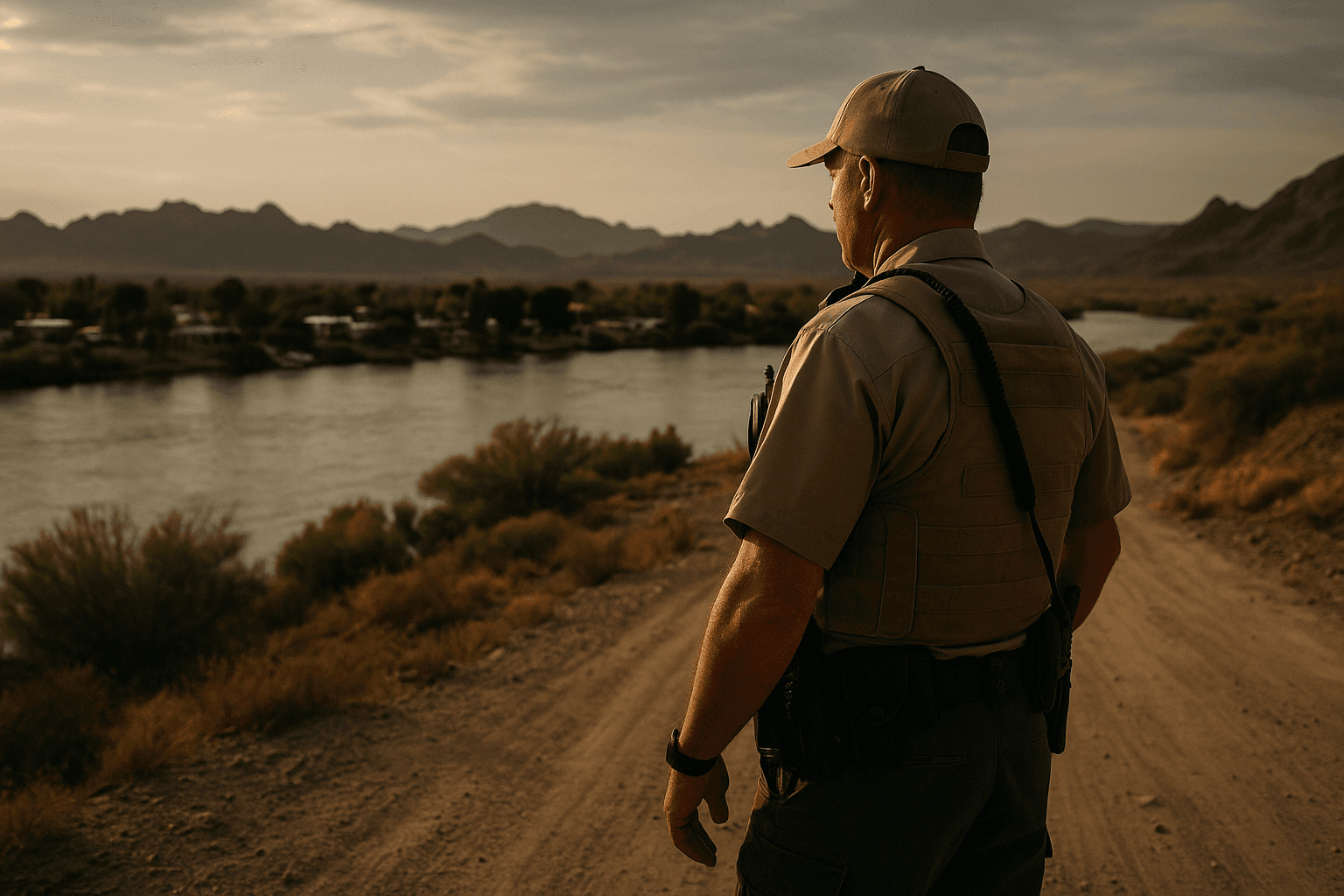
Ehrenberg and nearby Bouse are quiet reminders of La Paz County history, with Ehrenberg preserving remnants of its river port and providing easy access to Colorado River views, and Bouse offering inland desert scenery, local historic markers, small town services and access to desert off road riding and rockhounding. Those attractions bring people to the county for seasonal recreation on the Colorado River and for outdoor pursuits, but they also expose gaps in public health protections and emergency infrastructure.
Rural residents and visitors face practical risks that can quickly become life threatening. Heat, dehydration and water related injuries are constant threats in desert and river settings. Limited cell coverage across parts of the county can delay calls for help, and seasonal road work on unpaved county roads can slow emergency vehicles or strand drivers. The proximity to Blythe, California crossings makes nearby hospitals and services more reachable for some, but travel times and transport logistics remain uneven depending on where people are in the county.
Community health and safety depend on both individual preparedness and system level supports. Visitors should bring water, check cell coverage, watch for seasonal road work, and consult local town halls or chambers before driving unpaved county roads. For residents who rely on local clinics and volunteer emergency responders, regular road closures and limited communications mean slower response times and higher stakes during heat waves or river emergencies.
These realities have policy implications for La Paz County. Investments in signage, road maintenance, coordinated seasonal road schedules and expanded communication infrastructure would reduce preventable harms. Strengthening partnerships with neighboring jurisdictions across the state line and ensuring volunteer responder capacity and supplies can improve outcomes for remote communities. Equitable planning must center the needs of residents who live with these access barriers year round, not only the seasonal visitors who arrive for recreation.
As the county balances preservation of historic places with public safety, clear public information and infrastructure upgrades can help protect both local quality of life and visitor safety along the Colorado River and in the desert interior.