Eight Years On, Raleigh Fire Lessons Remain for Downtown
This year marks eight years since the massive March 16, 2017 downtown Raleigh fire that gutted an under construction apartment building and spread to nearby structures. The blaze damaged multiple buildings including the Quorum Center and Link apartments, leaving long term questions about cause, recovery, and protections for residents and workers.

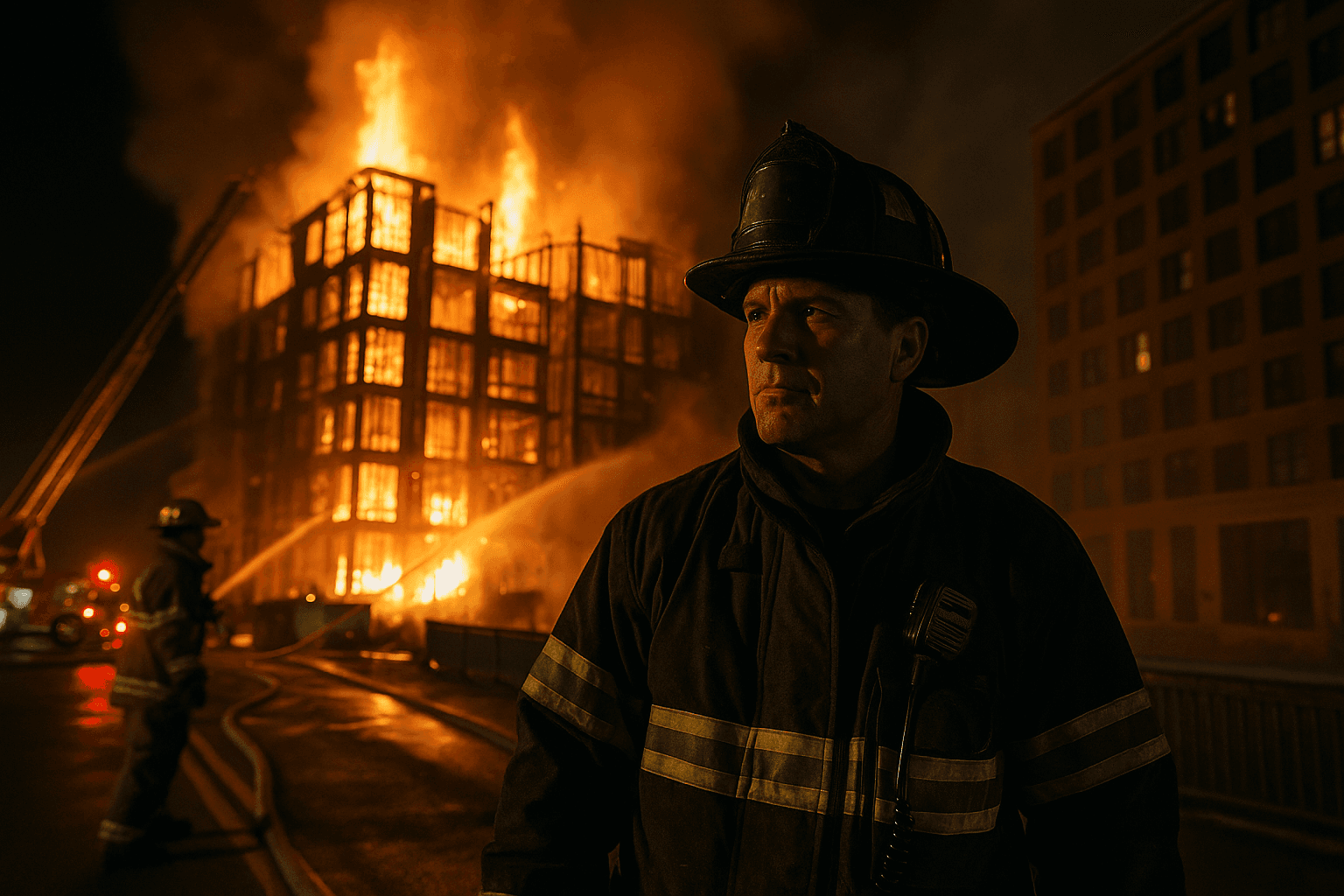
Eight years after the March 16, 2017 blaze that tore through a construction site and spread into surrounding downtown Raleigh properties, the community is still dealing with the fallout. The fire consumed an under construction apartment building and spread to several neighboring structures, damaging the Quorum Center and the Link apartments, triggering a large firefighting response and a multi year cleanup and rebuilding effort.
The immediate public health impacts were significant. Residents and downtown workers faced smoke exposure, short term displacement, and interruptions to local services. Firefighters and first responders confronted hazardous conditions during the initial response and in the months of stabilization that followed. Cleanup of charred buildings and adjacent sites required careful management to limit air and soil contamination, and the drawn out rebuilding process prolonged economic disruption for small businesses and renters who relied on downtown housing and commerce.
Long term community effects cut across equity lines. The loss of housing resources at a time of growing demand in Wake County intensified pressure on lower income renters and contributed to a longer wait for replacement units. Small business owners faced lost revenue during closures and construction. Recovery timelines highlighted gaps in financial support and city level systems for rapid assistance to displaced residents and affected workers.
The fire also raised policy and planning questions that remain unresolved. Officials and developers navigated inspections, demolition permits, and reconstruction plans while residents sought transparency about the blaze's origin. The incident underscored the need to examine safety practices at active construction sites, emergency coordination across city departments, and policies that prioritize housing stability after disasters.
For downtown Raleigh, the event was a test of resilience and a reminder of systemic vulnerabilities. Rebuilding has progressed in phases, but the human costs persist for those displaced, for small business owners who rebuilt slowly, and for firefighters who faced traumatic conditions. As Wake County continues to grow, the lessons from the 2017 fire point to concrete public health and policy priorities, including stronger prevention, clearer accountability, and more robust supports for communities most affected by urban disasters.