Electrical Fire Causes $30,000 Damage in Burlington Home
An electrical fire on the 1000 block of North Mebane Street on Saturday caused roughly thirty thousand dollars in damage, though no one was injured. The incident highlights local needs for electrical safety, utility coordination, and municipal investment in fire prevention.

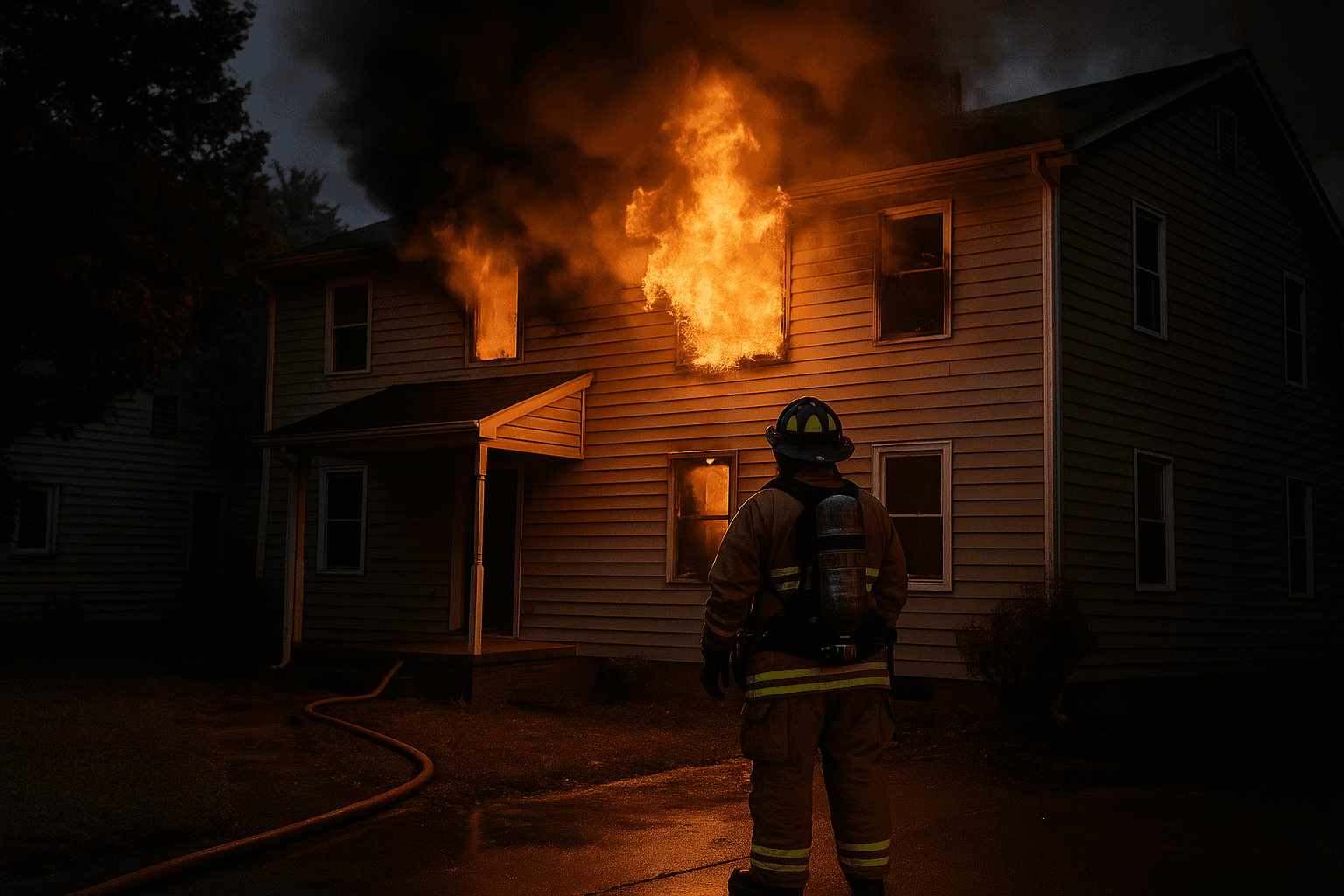
Burlington firefighters responded around 12:20 p.m. on Saturday, December 7 to a home on the 1000 block of North Mebane Street after reports of smoke. Heavy smoke was visible coming from the attic when crews arrived. Firefighters confirmed there were no people inside, located and extinguished the blaze, and had the fire under control roughly fifteen minutes after arrival. There were no injuries to residents or firefighters. Burlington Fire Department investigators determined the cause was electrical in nature. The department was assisted on scene by Burlington Police, Duke Energy, Alamance County EMS and Piedmont Natural Gas.
The estimated thirty thousand dollars in property damage underscores how quickly electrical faults can escalate into costly emergencies even when response is rapid. For homeowners the immediate impacts include repair and restoration costs, potential displacement during repairs, and the need to coordinate with insurers and utilities to secure safe power restoration. For the community the event serves as a reminder that residential electrical systems and attic wiring deserve regular inspection and maintenance.
Institutionally the response illustrates coordinated emergency operations across municipal and utility partners. The quick control of the fire demonstrates operational readiness, yet the electrical origin draws attention to prevention strategies that fall outside emergency response alone. Decisions made by local and county elected officials on code enforcement, building inspections, and funding for public education prevailently affect how often similar incidents occur and how severe they become. Voting choices shape budgets for fire prevention programs, staffing, training, and community outreach.
Residents should verify that smoke detectors are installed and functioning, schedule periodic electrical inspections if their homes have older wiring, and report suspected hazards to utilities and municipal authorities. Civic engagement can influence priorities for public safety spending and utility oversight. Attending town and county meetings, asking candidates about infrastructure and prevention funding, and participating in community safety programs are concrete ways to press for changes that reduce risk.
This incident did not result in physical injuries, but it offers a clear policy and practical lesson. Preventing future fires will require attention from homeowners, coordination from utilities, and sustained investment and oversight from elected officials.