Electrical Short Triggers Mobile Home Fire in Premont, Family Escapes
A mobile home on North Baxter and Northeast Third Street in Premont caught fire early on December 11, with firefighters and a police officer rescuing an occupant and the household escaping with their dog. The investigation found the blaze began from an electrical short inside a bedroom wall, a finding that raises questions about electrical safety in local manufactured housing and preparedness of emergency services.

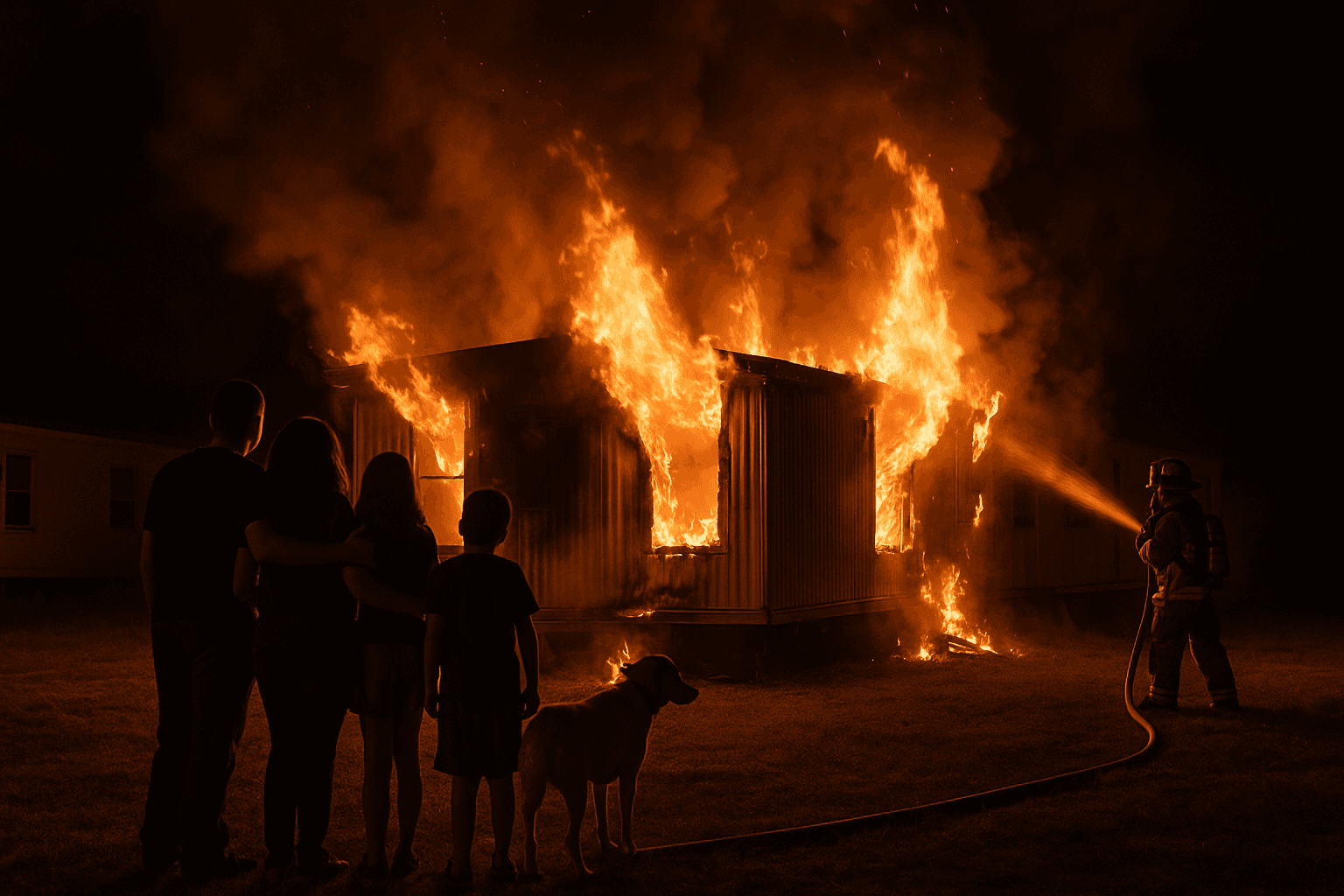
A Premont family survived a morning mobile home fire on December 11 after flames were reported at about 6 15 a.m. at the intersection of North Baxter and Northeast Third Street. Two women standing outside the structure told arriving officers that a man remained inside. An officer entered and removed the man, who later received treatment for smoke inhalation. The family and their pet left the home alive and no fatalities were reported.
Detective Robert Longoria with the Premont Police Department said the investigation concluded the fire was caused by an electrical short, with evidence indicating the fire started inside a bedroom wall. Fire crews extinguished the blaze and investigators examined the scene to determine the origin and path of the fire. The containment of the incident and the successful rescue illustrate the importance of rapid first response in small towns where volunteer and municipal crews often operate with limited staff and resources.
For Jim Wells County residents the episode highlights several practical and policy issues. Manufactured housing can have older or nonstandard wiring that is vulnerable to shorts, and limited space can accelerate fire spread. Ensuring smoke detectors are functional, having a clear evacuation plan, and using licensed electricians for repairs reduce risk. At the community level the event underscores the need for regular code enforcement, electrical inspections, and public education campaigns aimed at mobile home occupants.
Institutionally, the incident points to budget and capacity questions for local emergency services. Response times matter, and recruiting and retaining trained personnel requires sustained investment from municipal and county leaders. Residents can raise these concerns at county commissioners meetings, track local budget allocations for fire services, and support programs that provide free or low cost smoke detectors and electrical safety checks.
The December 11 fire ended without loss of life, but it serves as a reminder that small emergency events carry outsized consequences in rural communities. Policy choices about building safety, inspection regimes, and emergency preparedness will determine whether similar incidents result in greater harm in the future.
Sources:
Know something we missed? Have a correction or additional information?
Submit a Tip