Elon student launches free clothing alterations for Alamance residents
Elon senior Brooke Gustafson created Fitting Futures to provide free clothing alterations to Alamance residents. The program builds confidence and will publish a guidebook for replication.
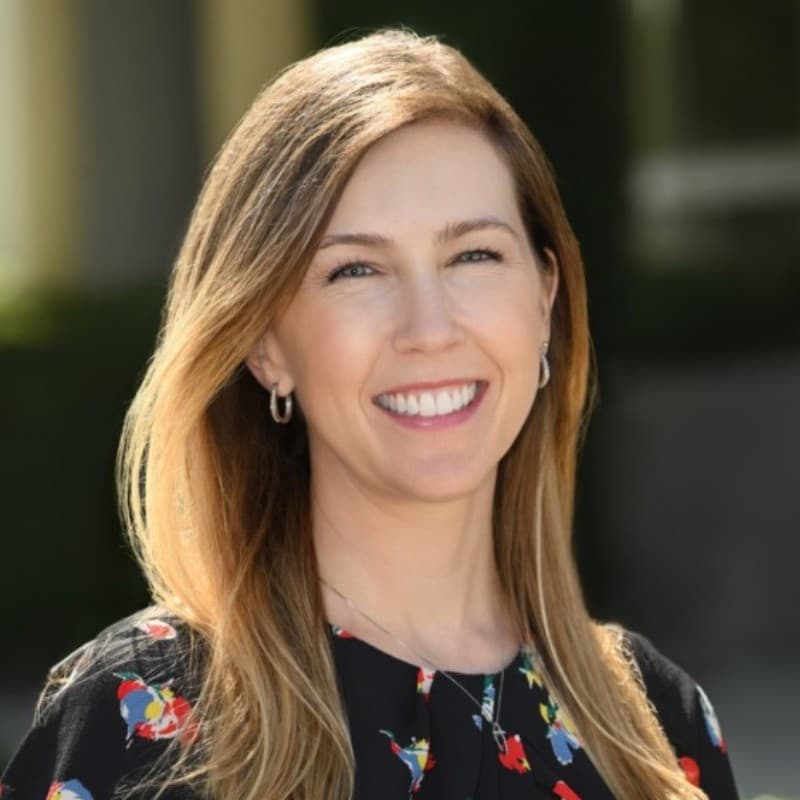
Brooke Gustafson, an Elon senior, turned a university costume shop into a community lifeline with Fitting Futures, a program that offered free clothing alteration services to Alamance County residents. The initiative, developed from Gustafson’s Elon College Fellows research, ran alteration events staffed by student volunteers and aimed to restore dignity and confidence by ensuring garments fit properly.
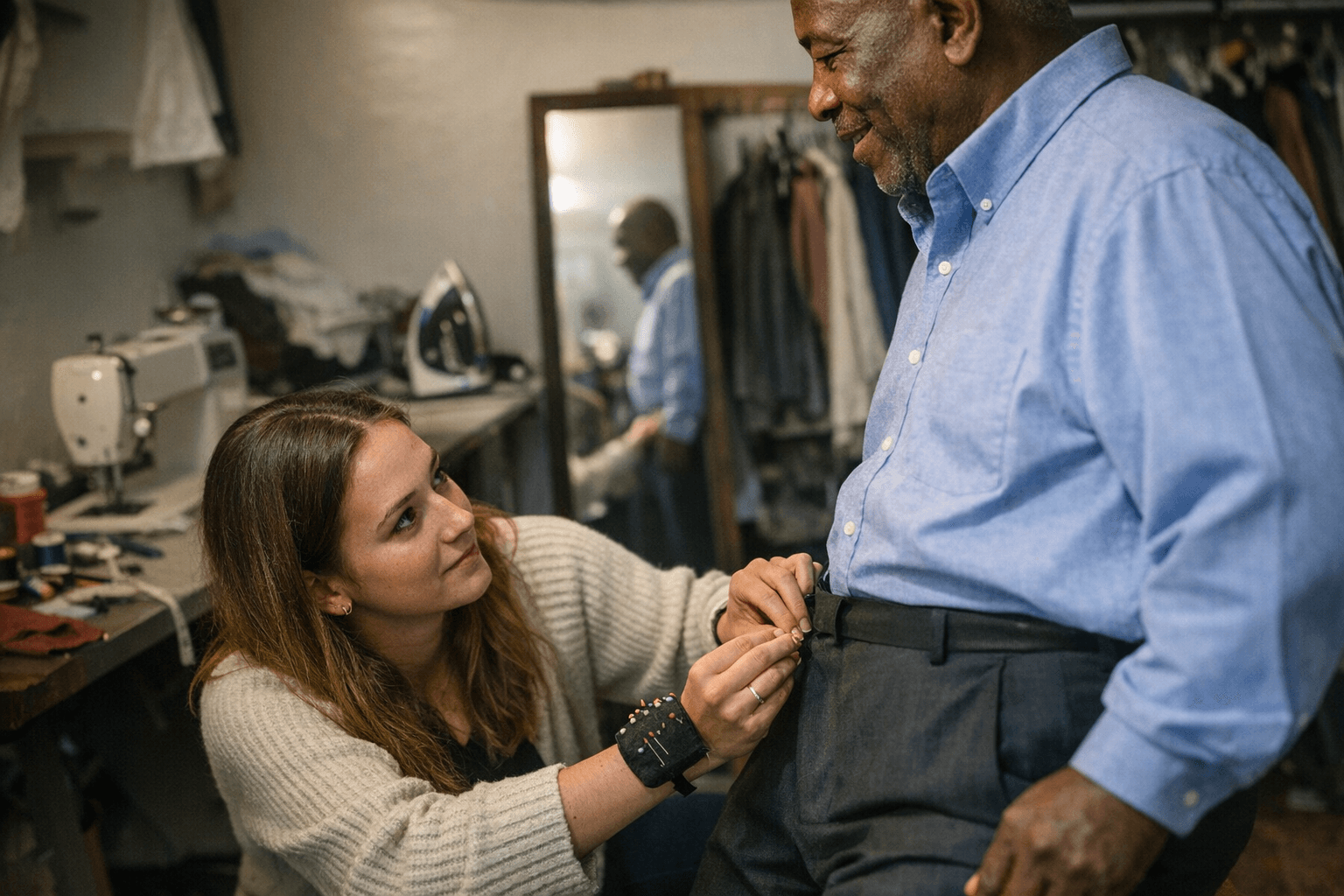
Events were organized with attention to accessibility and follow-up. Participants pre-registered and completed brief surveys so volunteers could plan needed repairs and alterations. Student volunteers from the costume shop worked under faculty mentorship to perform mending, hemming, and tailored adjustments. Organizers said follow-up checks helped confirm that recipients were satisfied and that alterations met practical needs for work, school, and daily life.
Fitting Futures partnered with campus faculty mentors and local organizations to reach neighbors in need, including a pop-up at the Alamance County Public Library Community Closet. Those partnerships helped connect the project with residents who might otherwise face barriers such as limited transportation, lack of tailoring funds, or clothing insecurity. By using existing university space and student labor, the program delivered services at low cost while giving students practical experience in community service and service learning.
The program’s stated goal goes beyond stitching seams. Gustafson designed Fitting Futures to increase recipients’ confidence and dignity by making clothing fit—an often overlooked component of social and economic inclusion. Properly fitting clothes can affect how people are perceived in job interviews, access community services, and feel about themselves. For public health and social equity, small interventions like alterations can reduce stigma, support employment readiness, and strengthen social ties.
Organizers plan to publish a best practices guidebook so other universities can replicate the model. The guide will document event logistics, volunteer training, survey templates, and partnership strategies. If adopted more broadly, the model could scale across college towns, extending low-cost tailoring services where municipal budgets and nonprofit capacity are limited.
Community reaction during the pilot was encouraging, with participants reporting practical benefits and volunteers valuing the hands-on service experience. For local leaders and policymakers, the project highlights how university resources can be mobilized to address day-to-day needs that affect long-term outcomes.
The takeaway? Small fixes can matter big. If you or someone you know needs a hem, a seam mended, or a confidence boost, programs like Fitting Futures show how a stitch in time can support job readiness and dignity. Our two cents? Keep an eye on community calendars for future pop-ups and consider how local institutions might repurpose resources to meet neighbors where they are.
Know something we missed? Have a correction or additional information?
Submit a Tip