Embassy Suites Food Service Corrects Violations After Low Score
A follow up county health inspection at the Embassy Suites Halcyon on December 3, 2025 found that management had addressed multiple food safety violations after an earlier routine inspection produced a low score in the mid 60s. The corrections reduce immediate foodborne illness risks for hotel guests and event attendees, and raise questions about training, staffing, and consistent enforcement across local food service operations.
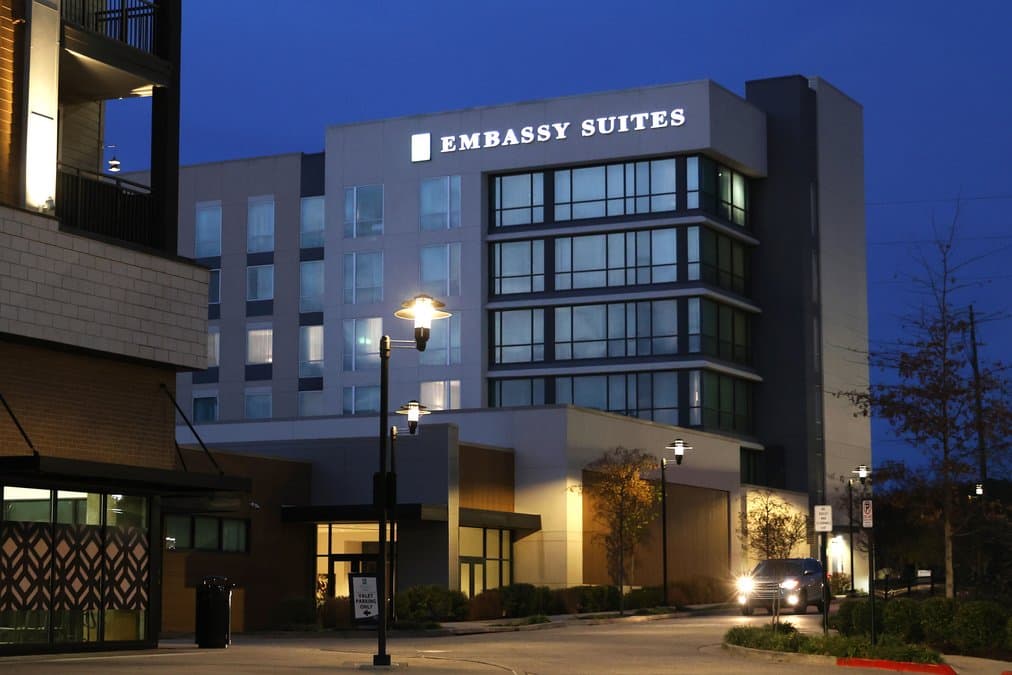
A follow up inspection of the Embassy Suites food service operation at Halcyon on December 3, 2025 confirmed that managers had taken corrective actions after an earlier routine inspection produced a low score in the mid 60s and triggered mandatory reinspection. County inspectors had cited a range of violations that contributed to the low score, and the recent visit evaluated whether those issues were resolved.
The initial inspection identified problems with food storage, temperature control, equipment sanitation and maintenance, and labeling and food handling practices. Inspectors noted items such as improper storage arrangements, failures to maintain safe holding temperatures, inadequately cleaned or repaired equipment, and incomplete labeling or handling protocols that increase the risk of cross contamination.
During the December 3 follow up, staff repaired and cleaned noted equipment, adjusted storage practices to separate raw and ready to eat items, and implemented corrected temperature control procedures. Management also conducted staff retraining focused on temperature monitoring and preventing cross contamination. Inspectors documented that the cited violations had been addressed and that practices observed at the follow up met county requirements for those items.
For residents and visitors in Forsyth County, the episode underscores both the value of routine inspections and the ongoing public health consequences when basic food safety controls lapse. Improper storage and temperature control are primary drivers of foodborne illness, which most affects young children, older adults, and people with weakened immune systems. Hotels and other mass feeding operations serve large numbers of people, making consistent food safety practices essential to community health.

The county assigns scores and letter grades under a system that mandates reinspection when establishments receive low scores, and this mandatory oversight is intended to protect public health. Still, the sequence of a failing or low score followed by corrective action highlights systemic challenges in prevention. Adequate training, staffing levels, regular equipment maintenance, and access to technical support are critical to prevent repeat violations, particularly in venues that host events and serve vulnerable populations.
The inspection outcome shows that the immediate hazards were mitigated, but it also points to broader policy questions about how to support food service operators in maintaining safe practices and ensuring equity in enforcement and resources across the county.