EU Fines X €120 Million, Musk Says Union Should Be Abolished
The European Union fined X, the platform formerly known as Twitter, roughly €120 million after a probe found breaches of the bloc's digital rules, a decision that could reshape enforcement of online safety and accountability in Europe. The penalty prompted a sharp reaction from owner Elon Musk who posted that the bloc "should be abolished," and is likely to trigger a protracted legal and political fight over regulation of Big Tech.
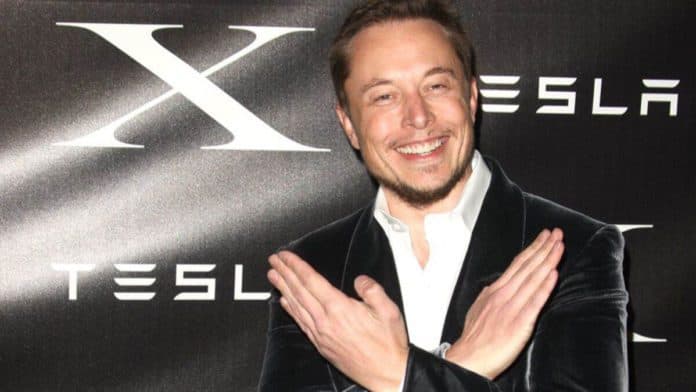
The European Union this week imposed a roughly €120 million penalty on X, the social media platform owned by Elon Musk, following an investigation that concluded the company violated the bloc's digital rules. The enforcement action, announced on December 8, represents one of the most significant uses so far of the EU's recent powers to police online platforms and comes amid heightened scrutiny of how large technology companies enforce content rules and protect users in Europe.
EU officials said the fine resulted from enforcement under the bloc's digital regulatory framework, which grants regulators new tools to mandate platform transparency and faster action on illegal content. The decision signals Brussels is ready to use those powers to hold major services to account, even as platforms push back on the reach of European law.
X, which changed its corporate name from Twitter after Musk completed a takeover in 2022, said in filings earlier this year that it would contest regulatory measures it considers inconsistent with U.S. free expression norms. The company has not publicly confirmed the precise grounds on which it will appeal this penalty, but legal experts said a challenge in European courts would be expected and could delay payment and enforcement for months or longer.
Musk responded to the fine on the platform he owns, posting that the European Union "should be abolished," and urging that sovereignty be returned to individual countries. The blunt statement crystallizes the growing tension between global technology companies and regulators who argue that national borders cannot contain the scale and societal impact of online services.
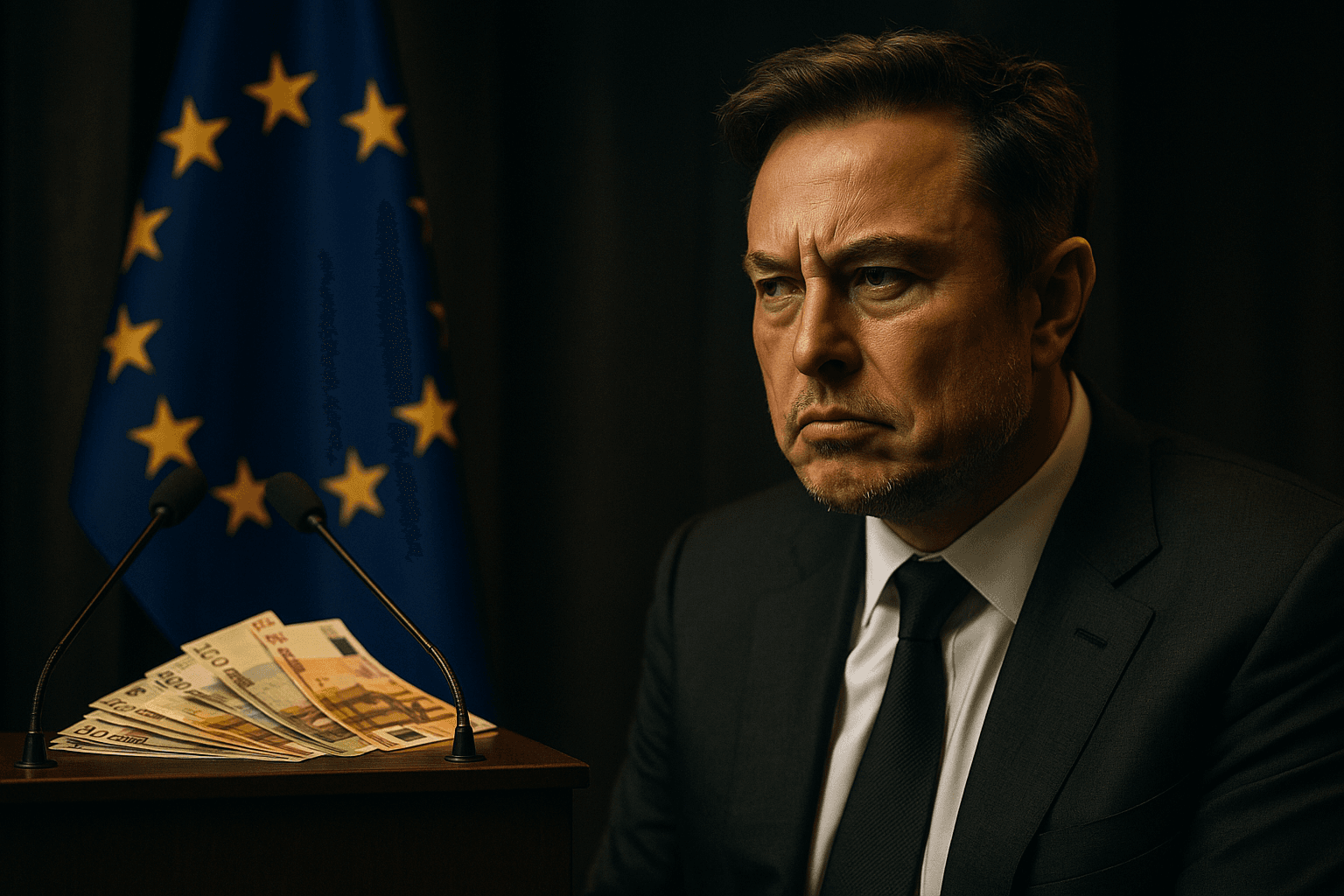
The fine is likely to become a focal point in broader political debates across Europe about the balance between protecting citizens from harmful online content and preserving open public discourse. For regulators, the penalty offers a test case to demonstrate that rules introduced in recent years can be applied meaningfully against multinational platforms. For companies, it represents a fresh cost of doing business in a region that has already adopted stringent privacy and competition rules.
Analysts said the financial hit is unlikely on its own to change X's global business model, but the reputational and operational consequences could be significant. Compliance will require shifts in moderation practices, resource allocation, and legal strategy. Smaller platforms and new entrants will watch closely to see whether regulators sustain aggressive enforcement and whether appeals lead courts to narrow or expand the interpretation of the rules.
Political leaders in several European capitals are expected to weigh in, with supporters of tougher regulation framing the penalty as necessary to protect users and opponents using Mr. Musk's reaction to argue the rules threaten democratic choice. The coming weeks will likely see legal filings from X and a public relations campaign from both sides as the dispute moves from regulatory offices into courtrooms and parliamentary chambers. The outcome could shape how the internet is governed in Europe for years to come.