Eugene Celebrates 50 Years of Community Stewardship at WOW Hall
Eugene's WOW Hall marks fifty years under community ownership with a two night festival that began Dec. 5 and aims to celebrate the venue's cultural legacy while raising funds for long term maintenance. The event matters because the hall remains a rare intact historic performance space, reliant on volunteer management and modest ticket prices that preserve access for local residents.
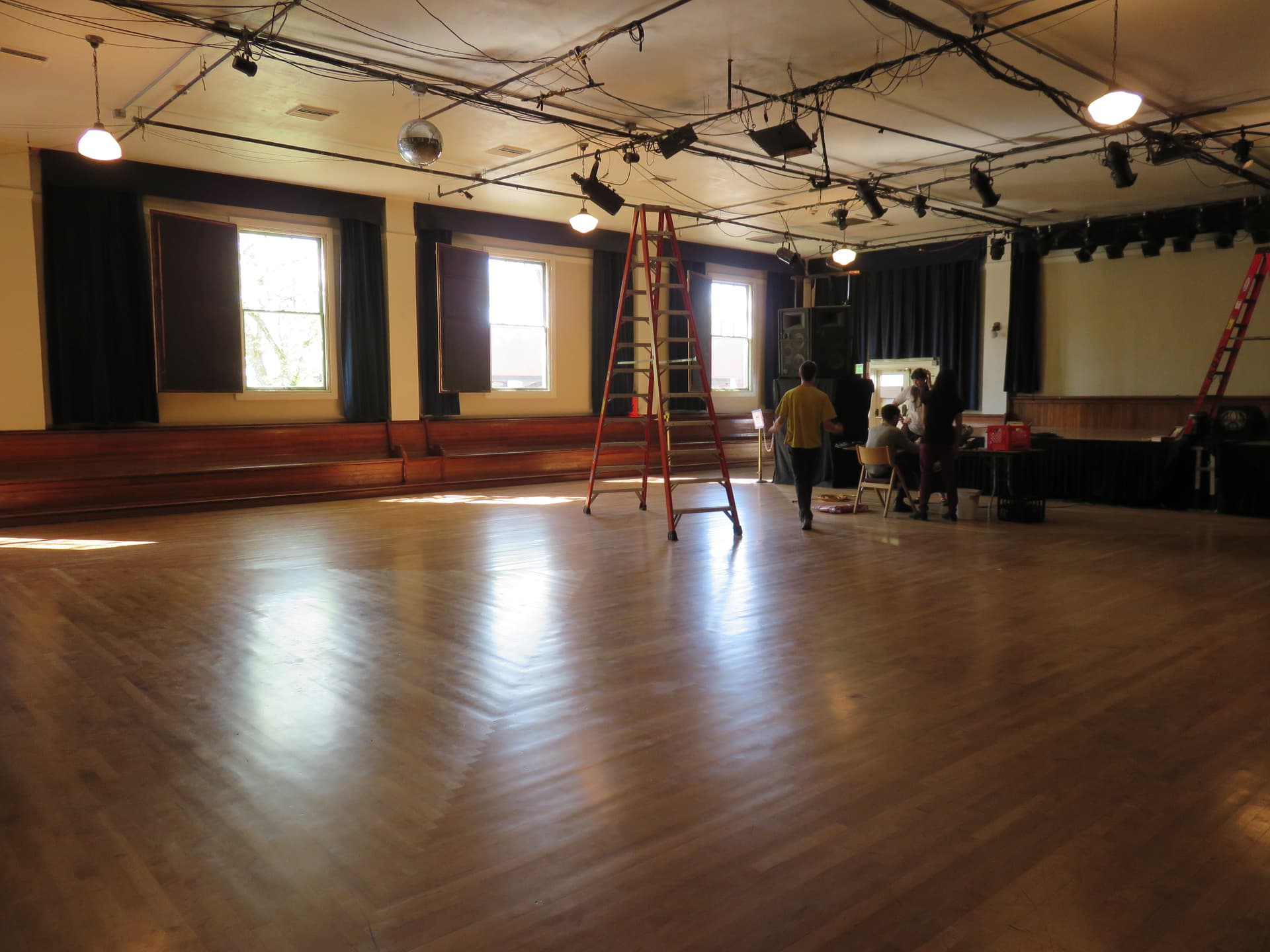
The WOW Hall is hosting a two night anniversary festival as it marks a half century of community stewardship of the historic venue. The event, billed as WOW A Thon II and taking place Dec. 5 and 6, 2025, brings local acts, storytelling segments, raffle prizes and other fundraisers to support a long term capital plan while keeping single day tickets roughly fifteen dollars and two day passes twenty five dollars. Doors open at 4 p.m. each night at 291 W. Eighth Ave.
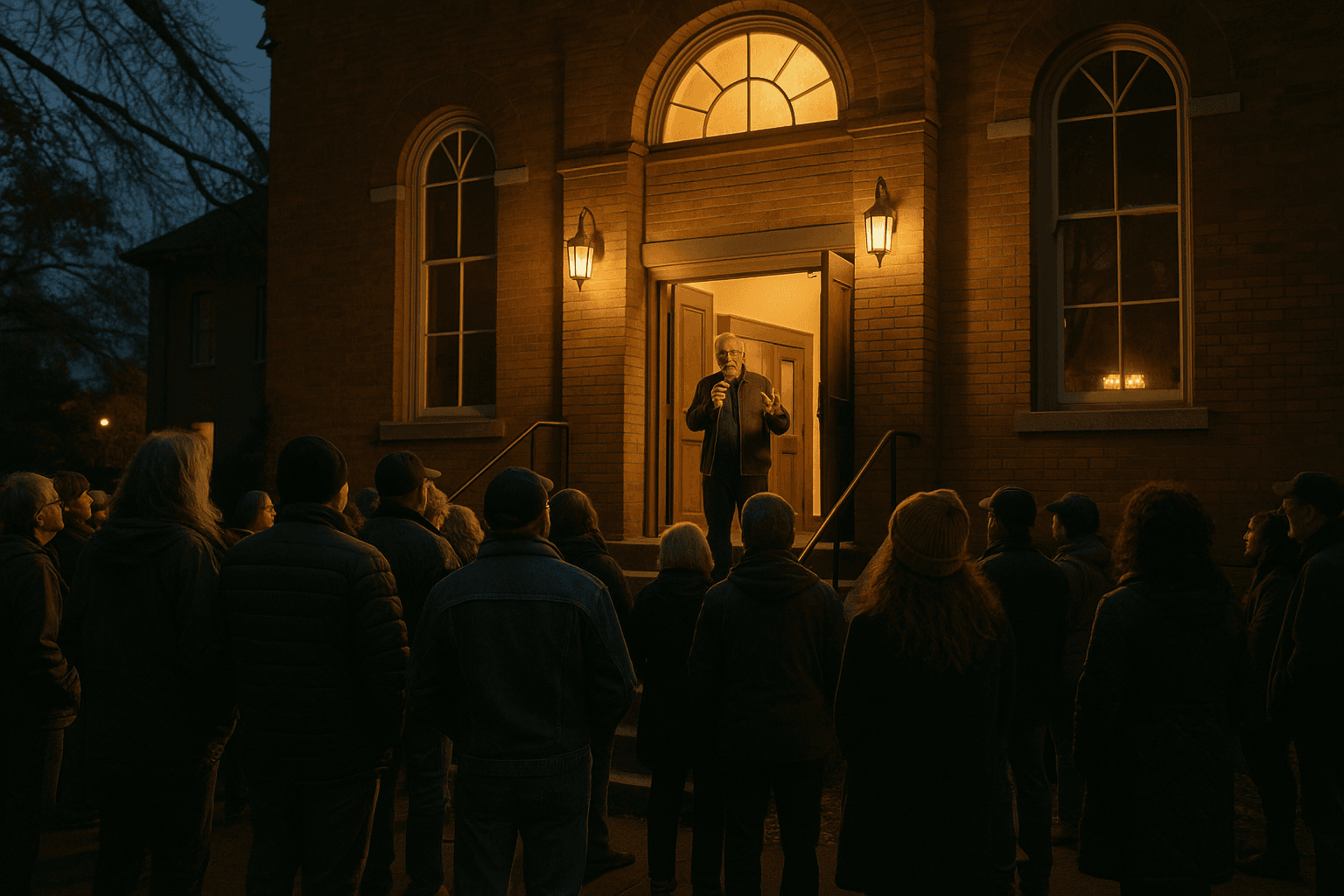
The building that houses the hall was constructed in 1932 as the Woodmen of the World lodge and was saved from demolition by the original WOW A Thon in 1975. The hall remains largely intact, including a rare floating maple dance floor that is one of three in Oregon. That combination of historic fabric and ongoing use as an all ages performance and civic space underlines why local stakeholders have resisted commercial redevelopment.
A volunteer driven nonprofit runs the hall and manages programming that has historically skewed toward rock and punk. Organizers say the anniversary is also an opportunity to broaden offerings to include comedy, jazz, theater and other forms of live art to reach new audiences across generations. Those programming shifts reflect a strategic effort to balance cultural relevance with financial sustainability as the organization undertakes capital planning for building systems and preservation needs.
The hall's reliance on volunteer labor and grassroots fundraising has preserved low ticket prices and open access, but it also exposes institutional vulnerabilities. Sustaining a nearly century old structure that serves broad public needs commonly requires a mix of earned revenue, philanthropy and public support. Local governments and cultural funders face a choice about how to prioritize limited resources between new initiatives and preservation of established community owned venues.
For regular attendees and the many volunteers who keep the doors open, the anniversary is both celebration and urgent fundraiser. The two night festival showcases why maintaining community controlled performance spaces matters to civic life, offering a model of local stewardship that preserves historic character while seeking to expand inclusion for the next fifty years.