Eugene Police Launch Peer-Navigator Pilot to Reduce Downtown Calls
The Eugene Police Department launched a pilot peer-navigation program in downtown Eugene on Jan. 7, 2026, placing two peer navigators on weekday shifts to connect people with social services and reduce repeat non-criminal contacts with officers. Backed by nearly $250,000 in one-time Community Safety Payroll Tax funds, the effort seeks to address underlying service needs and reshape how the city responds to recurring calls for assistance.
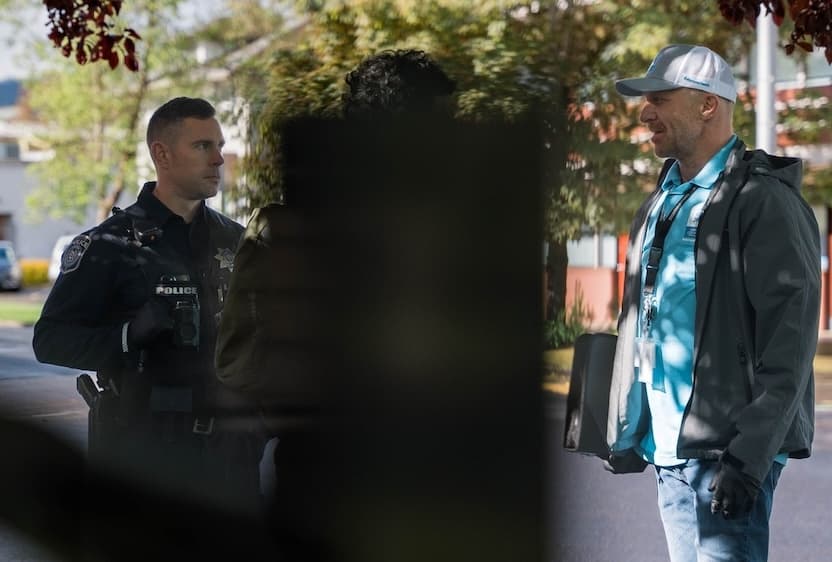
The Eugene Police Department on Jan. 7 began a downtown pilot that pairs two peer navigators from nonprofit Ideal Option with street-level public safety work, stationing them in the neighborhood weekdays from 7 a.m. to 4:30 p.m. The navigators bring lived experience with the criminal justice system and will focus on non-criminal needs such as connecting people to social services, treatment, transportation, appointments, and shelter.
The program aims to reduce repeated calls for law enforcement by addressing underlying needs that frequently draw officers to the same people and places. Ideal Option has previously worked with Lane County on jail deflection programs, and city leaders say embedding peers helps provide targeted, on-the-ground assistance that social-service systems alone have not consistently delivered.
Eugene funded the pilot with nearly $250,000 in one-time money from the Community Safety Payroll Tax. That funding covers staffing and operational costs for the initial deployment; the city has framed the effort as a proof-of-concept that could inform future budget decisions on community safety and service partnerships. Eugene Police Chief Chris Skinner said he hopes the program will change perceptions about safety downtown by offering alternatives for repeat, non-criminal contacts.
The pilot raises immediate questions about measurement and sustainability. To determine whether the navigators reduce officer responses and improve outcomes for people in crisis, city officials and community stakeholders will need transparent metrics: reductions in repeat law enforcement calls, numbers of service referrals completed, shelter placements, completed appointments, and transportation assists. Because the pilot is financed with one-time funds, city leaders will also face a policy decision about whether to allocate ongoing resources if the program shows positive results.

Locally, the program could alter daily operations for both police and social-service providers. For downtown residents, business owners, and people experiencing homelessness or behavioral health crises, the pilot promises quicker, more tailored help that does not criminalize non-criminal needs. For police, directing low-level, service-oriented contacts to peers can free officers to focus on criminal investigations and public safety enforcement.
Accountability and community oversight will shape public confidence in the pilot. Lane County’s experience with Ideal Option on jail deflection underscores the need for clear data sharing agreements and coordination among city, county, and nonprofit systems. As the pilot unfolds, Eugene elected officials and residents will want timely reporting on outcomes so policy choices about long-term funding and program expansion rest on measurable results rather than impressions alone.
Sources:
Know something we missed? Have a correction or additional information?
Submit a Tip