Eugene Springfield ranks among slowest delivery regions, data warns ahead of holidays
Data released by shipping logistics firm AutoDS and reported December 9, 2025 placed the Eugene Springfield metro, tied with Bend Redmond, among the slowest delivery regions in the continental United States. The finding matters for Lane County shoppers and merchants because slower transit times raise costs, raise the risk of missed holiday deliveries, and pressure small businesses during the busiest shipping period.
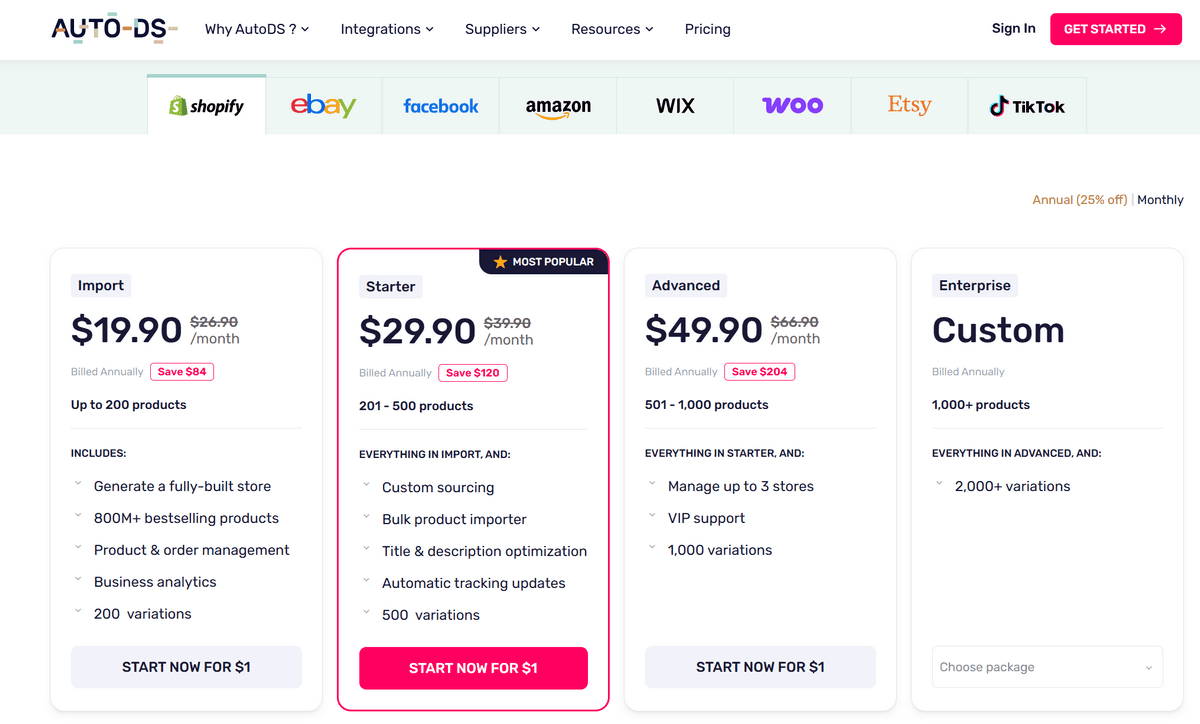
AutoDS analysis, summarized in a December 9, 2025 report, showed the Eugene Springfield metropolitan area tied with Bend Redmond for among the slowest average delivery speeds measured across continental U.S. metros in recent measurements. The firm calculated delivery performance using shipping logs and carrier transit time records to produce a comparable metric across regions. The ranking arrived as Oregon communities move into their busiest weeks for online and catalog purchases.
For Lane County the implications are practical and immediate. Slower package transit increases the likelihood that orders placed at standard lead times will not arrive before key holiday dates. Small retailers that rely on third party shipping to reach customers out of town face higher inventory carrying costs when they hold extra stock to guard against delays, and the potential for lost sales if shoppers choose vendors with faster fulfillment promises. For shoppers the risk is straightforward, orders placed late may miss holiday windows, and returns and exchanges could be delayed.
The statistical signal fits broader economic patterns. Nationwide growth in online commerce continues to concentrate volumes unevenly, placing stress on carrier networks serving smaller metropolitan areas. Volume surges during peak season expose capacity limits at regional sorting facilities, and longer last mile legs raise average transit times. Those operational realities translate into costs for small firms, which often have thinner margins to absorb expedited shipping fees or dissatisfied customers.

Policy responses at the local level can reduce frictions without large scale spending. City and county officials can encourage carriers to increase temporary capacity, coordinate with regional business associations to smooth pickup and drop off schedules, and promote alternative fulfillment such as in store pickup and local delivery partnerships. For merchants the near term options include adjusting promised delivery windows, charging for faster service where needed, and communicating lead times clearly to customers.
Practical steps for residents are immediate. Plan holiday purchases earlier than in past years, allow extra days for delivery, and consider local pickup where available. With AutoDS data signalling slower service in Lane County, timing and transparency will determine who avoids delays this holiday season.
Sources:
Know something we missed? Have a correction or additional information?
Submit a Tip