Eureka's EaRTH Center Wins $12 Million, Construction Set for 2026
Eureka secured more than $12 million in grant funding for the long planned EaRTH Center on December 12, 2025, with construction expected to begin in spring 2026 if timelines hold. The project pairs affordable downtown housing with an integrated transit hub, promising safer bus stops, new bike lanes, commuter amenities, and stronger intercity connections for Humboldt County residents.
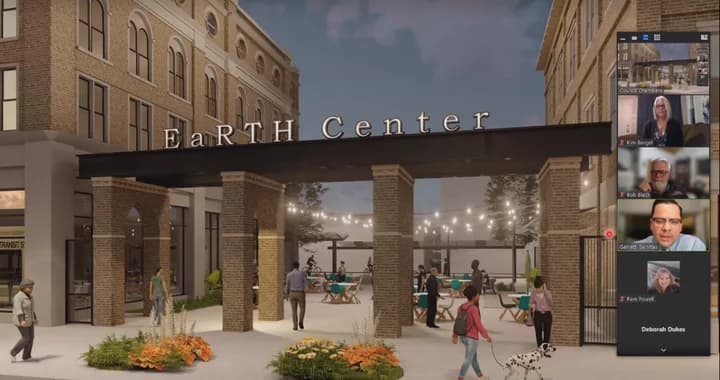
Nearly four years after the Eureka City Council approved the Eureka Regional Transit and Housing Center, commonly known as the EaRTH Center, local officials announced on December 12 that the project has secured more than $12 million in grant funding. The Humboldt Transit Authority provided the funds through the state Transit and Intercity Rail Capital Program, clearing a major financial hurdle and setting a projected construction start for spring 2026.
The development couples affordable housing with a transportation hub designed to ease transfers across intercity and intercounty routes operating in the county. It is intended to expand affordable housing in downtown Eureka while improving transit connectivity and sustainable mobility options for residents who rely on local and regional transit networks.
Planned transportation and public realm improvements are specific and targeted. Bus stop infrastructure on H Street and 3rd Street will be upgraded to improve safety and accessibility. A Class 1 bike lane is planned on H Street between 3rd and 4th streets to help link the Bay Trail to the H Street bike trail. Additional bicycle lane improvements and striping on H Street will connect with recent city projects. The hub will also include new public restrooms, a water filling station, and other commuter amenities intended to make transfers and daily commutes more convenient.

For Humboldt County, the project represents a convergence of housing and transportation policy priorities. Locating affordable units at a transit nexus aims to reduce barriers to jobs and services for low income households and to encourage shifts toward bicycling and transit use. The funding from the Transit and Intercity Rail Capital Program underscores the role of state grants in advancing combined housing and mobility priorities that local governments have pursued for several years.
Moving from funding to construction will require continued coordination among city departments, the transit authority, and contractors to keep the spring 2026 timeline. Residents should expect visible changes in the downtown footprint as site work begins, and community stakeholders will have opportunities to monitor implementation details and accessibility outcomes as the project advances.
Sources:
Know something we missed? Have a correction or additional information?
Submit a Tip