FAA Warns U.S. Airlines Over Worsening Venezuela Airspace Security
The Federal Aviation Administration reiterated an advisory urging U.S. carriers to exercise caution over Venezuelan and southern Caribbean airspace amid heightened military activity and a growing U.S. military presence. The warning raises operational risks for flights at all altitudes, complicates civil military coordination, and underscores political tensions that could affect commercial aviation and passenger safety.

The Federal Aviation Administration has reaffirmed a safety advisory first issued on November 21, urging airlines and pilots to "exercise caution" because of a "worsening security situation" in and around Venezuelan airspace. The repeated notice, issued in mid December, warned that "threats could pose a potential risk to aircraft at all altitudes, including during overflight, the arrival and departure phases of flight, and/or airports and aircraft on the ground." The FAA did not impose a formal airspace closure, but the advisory signals elevated concern for operators flying through the Maiquetía flight information region and adjacent southern Caribbean corridors.
The advisory arrives as the United States has expanded its military footprint in the southern Caribbean, deploying assets that include long range bombers, warships and Marine units under U.S. Southern Command. That stepped up posture, which U.S. officials have maintained in the region since early September, has increased the density of military flights and naval operations in airspace and waters that commercial carriers use for international routes. The FAA's notice frames the risk as operational rather than regulatory, leaving decisions about routing and risk mitigation to individual carriers, foreign air navigation authorities and international regulators.
Civil military coordination challenges emerged in early December when a near collision was reported on December 12 involving a JetBlue aircraft operating from Curaçao to New York and a U.S. military aircraft in the vicinity of Venezuelan airspace. The military emphasized that "military aircrews are highly trained professionals who operate in accordance with established procedures and applicable airspace requirements" and said that safety remains a top priority as it works through the appropriate channels to assess the facts surrounding the situation. The FAA indicated the incident fell under the purview of the Curaçao Civil Aviation Authority, which has primary responsibility for oversight in that sector of Caribbean traffic.
The FAA advisory functions within its statutory authorities as a domestic regulator that issues safety guidance to U.S. operators even when flights cross foreign airspace. The agency does not control foreign air traffic control services, but its notices inform carriers about elevated hazards and can prompt airlines to adjust routings, file notices to airmen, or implement additional monitoring. For passengers and shippers, such adjustments can translate into longer flight times, higher operating costs and logistical disruptions depending on the frequency and duration of reroutes.
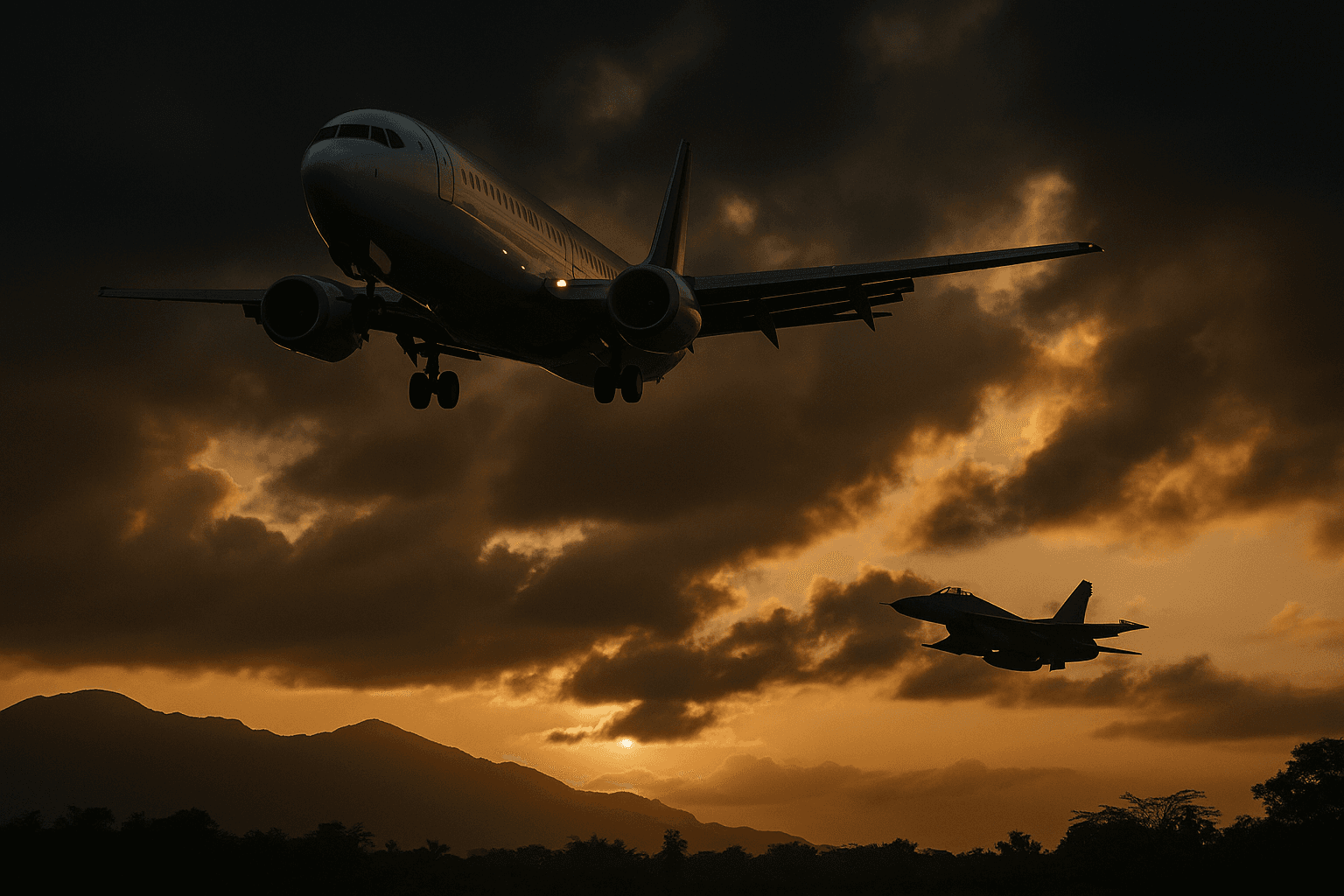
The advisory also intersects with larger geopolitical dynamics. U.S. policy toward Venezuela has intensified amid efforts by Washington to pressure the Maduro government, a posture mirrored by increased military activities in the region. While the FAA did not attribute the advisory to any single political action or specific hostile act, the combination of denser military operations and at least one reported near miss has heightened concern within commercial aviation and among regulators in nearby states.
Airlines now face near term choices about balancing safety, costs and schedules as officials continue to monitor the area. The FAA notice leaves open how long the heightened advisory will remain in effect and underscores the difficulty of safeguarding civil aviation where military and political tensions converge. Federal and regional aviation authorities, along with carriers, will need to sustain clear information sharing and robust coordination to prevent further incidents and keep commercial airspace functioning safely.
Know something we missed? Have a correction or additional information?
Submit a Tip