Falcon 9 Booster Reaches 32 Flights as December Surge Continues
SpaceX pushed a Falcon 9 first stage to its 32nd flight during the December launch surge, while several other boosters surpassed 25 missions. The milestone underscores how high cadence reuse is reshaping costs, logistics, and national security access to space.
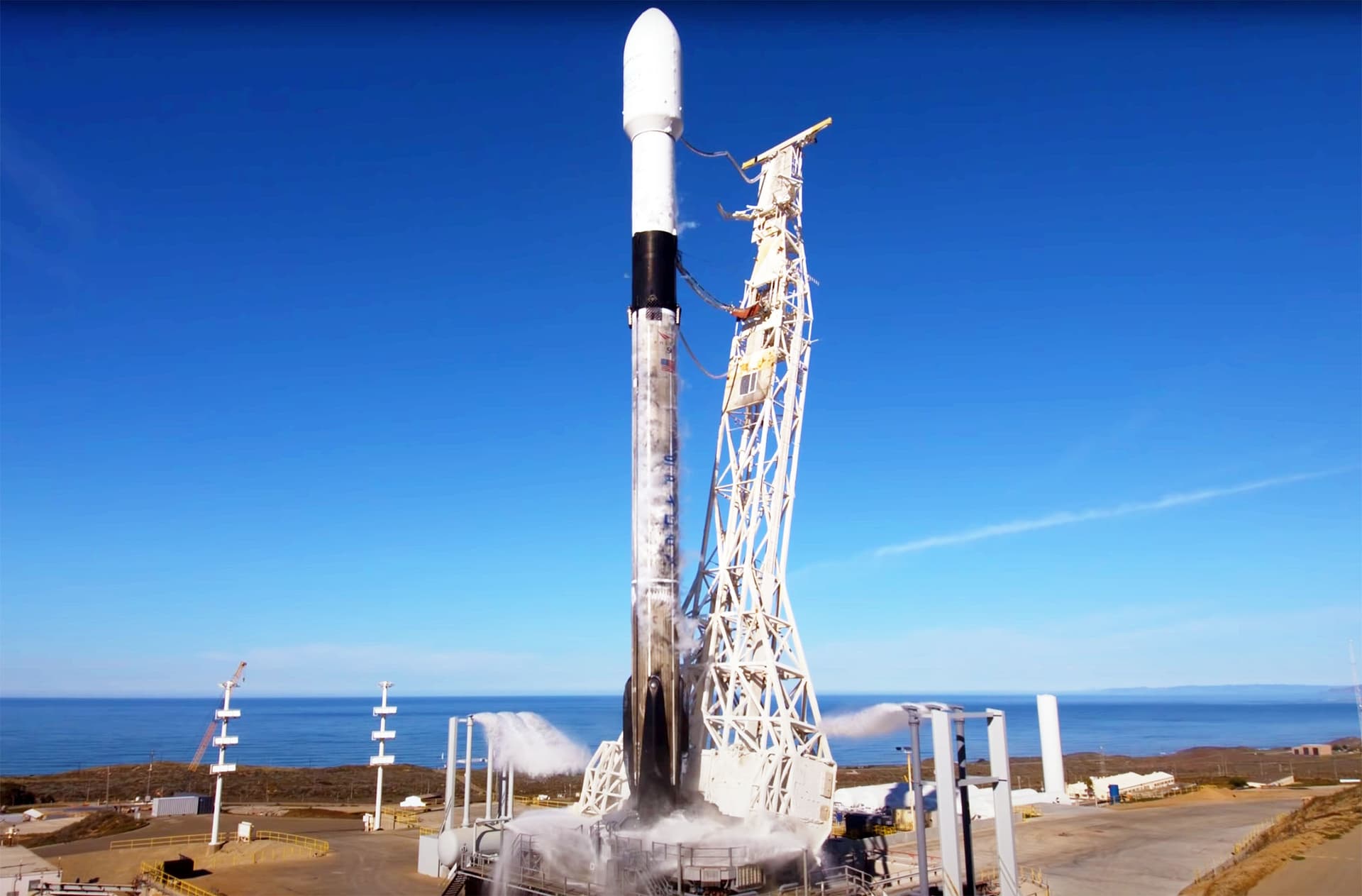
SpaceX further stretched the operational life of its Falcon 9 fleet over the weekend, as tracking posts and launch manifest updates from December 8 and 9 showed a single booster logging its 32nd flight on a recent Starlink mission. The same manifest entries and public tracking notes reported multiple other first stages crossing the 25 or more flight threshold as the company sustained a heavy year end tempo of launches.
The updates cataloged booster identifiers and recovery methods for each mission, specifying whether the stages returned to shore based landing zones or to offshore droneships. That record keeping makes clear the company is juggling both quick return to launch site recoveries for faster turnarounds and droneship recoveries when mission profiles demand higher performance. The mixed recovery profile has allowed SpaceX to support a blend of commercial broadband deployments and national security launches, including missions for the National Reconnaissance Office that require tight schedules and higher assurance of delivery into specific orbits.
Achieving 32 flights on an individual booster marks a practical milestone for routine reusability in orbital operations. It illustrates the operational changes that follow the engineering goal of repeated flights for the same vehicle rather than single use. Rapid reflight cadence requires streamlined inspection and refurbishment processes, modular replacement of consumable hardware, and data driven assessments of cumulative thermal and structural stress on engines and airframes. Those processes are a focus for both reducing turnaround time and maintaining high reliability for customers that include commercial satellite operators and government agencies with national security responsibilities.
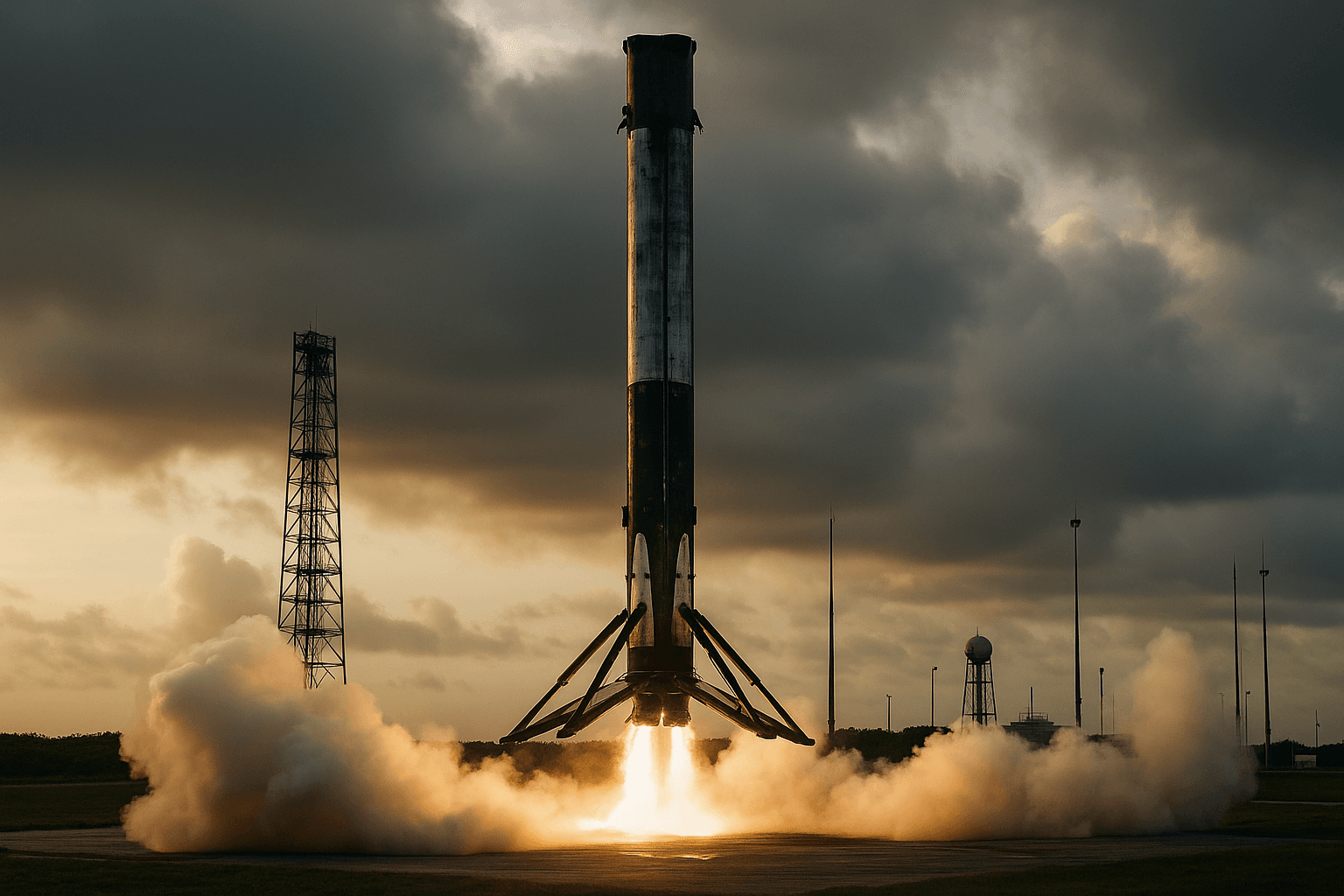
The launch surge in early December showcased how reuse translates into manifest flexibility. Repeatedly flown boosters can be allocated to a range of missions, smoothing scheduling pressures that typically accompany year end demand for orbital delivery. For operators of large constellations, including SpaceX’s own Starlink network, cheaper and more available lift capacity accelerates deployment and replenishment of satellites. For government payloads, the ability to tap a high cadence commercial provider offers competitive access while raising questions about dependency and contingency planning.
The pace of reuse also has broader industry and regulatory implications. Increased flight counts per vehicle lower marginal costs and could change the economics of satellite constellations, but they also raise scrutiny about long term component life and the cumulative risk of in flight anomalies. Higher launch cadence increases traffic in certain orbital regimes, intensifying the need for robust space traffic management and international norms for deconfliction. The dual use nature of the launch business means that engineering gains ripple into geopolitics as well as commerce.
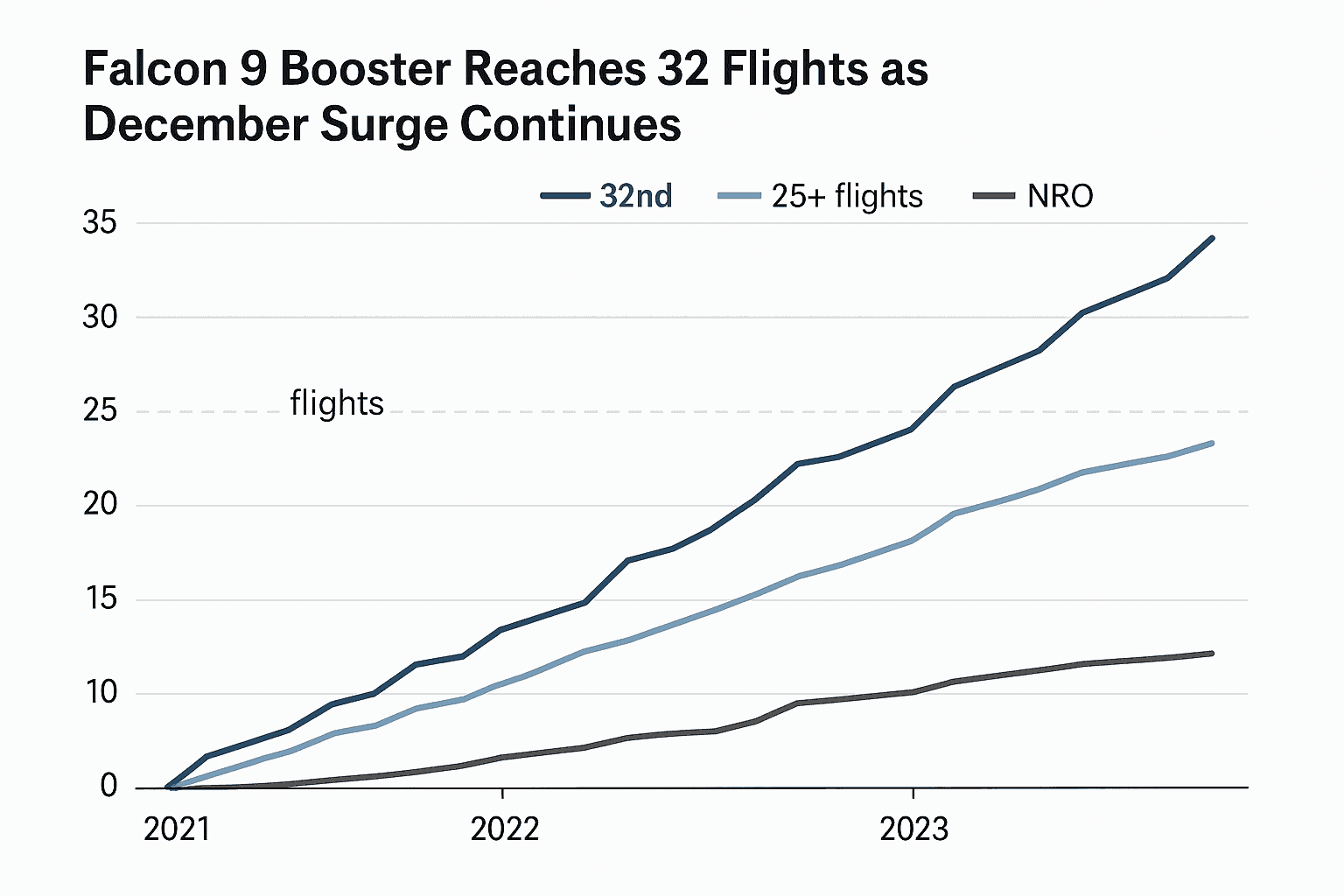
SpaceX’s manifest entries and tracking posts from December 8 and 9 make clear that reusability is now a working operational model rather than an experimental phase. As the company pushes more boosters deeper into their service lives, the spaceflight community will be watching how maintenance protocols, recovery choices, and launch scheduling evolve to sustain both commercial expansion and sensitive government missions.