FCC Bars New Foreign Made Drones, Adds DJI and Autel
On December 22, 2025 the Federal Communications Commission added China’s DJI, Autel and all foreign made unmanned aircraft systems and critical components to its national security Covered List, blocking new models from receiving FCC equipment authorization. The move effectively prevents new foreign made drones from entering the U.S. market and raises immediate questions about supply chains, commercial services and enforcement strategy.

The Federal Communications Commission announced on December 22, 2025 that it had placed China’s DJI, Autel and all foreign made unmanned aircraft systems and critical components on its national security Covered List, a designation that bars the approval of new device models for sale or import into the United States. The action implements a national security determination finalized the previous day by an executive branch interagency group convened by the White House under a congressionally mandated review.
The interagency body concluded that unmanned aircraft systems produced abroad and key foreign made components present unacceptable risks to U.S. national security and to the safety and security of U.S. persons. Officials who drafted the determination warned that foreign made UAS could enable persistent surveillance, data exfiltration and destructive operations over U.S. territory, and that long term dependence on foreign hardware creates vulnerabilities in times of crisis or conflict.
Legally the agency’s move follows Section 1709 of the fiscal year 2025 National Defense Authorization Act, which required an interagency review of certain UAS equipment and specified possible consequences if risks were identified. The FCC said the Covered List addition brings the equipment and services referenced in that section within the scope of its equipment authorization regime, meaning manufacturers seeking certification for new models will be denied the authorization necessary to operate on U.S. communications networks and to be imported and marketed in the United States.
By treating foreign produced drones and critical components as a category rather than evaluating companies individually, the FCC adopted a broad approach designed to quickly cut off new entries that the interagency review judged to pose systemic risks. The agency clarified that the decision applies to new models and parts seeking FCC certification and does not cancel existing approvals for devices already authorized and in the U.S. market.
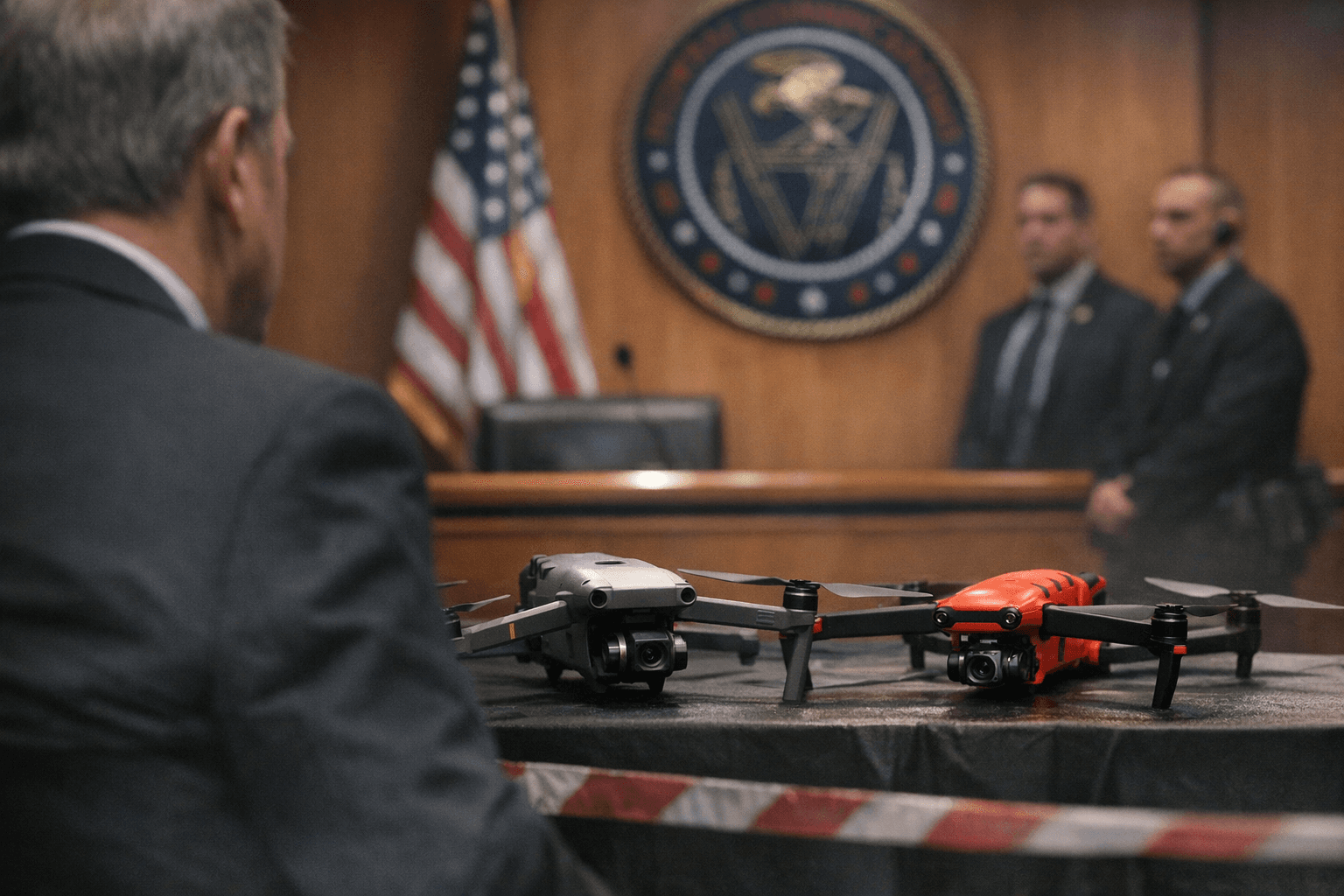
The decision is poised to have immediate commercial consequences. Analysts estimate DJI controls a majority of the global consumer and commercial drone market, with some industry figures putting its global share above 90 percent and its presence in U.S. commercial fleets at more than half. Manufacturers, service providers and public agencies that rely on foreign made platforms will face procurement choices and potential repair and replacement challenges.
The move drew a sharp reaction from Beijing. Lin Jian, a spokesperson for the Chinese foreign ministry, called the FCC listing "discriminatory" and said China opposed what it described as Washington overgeneralizing national security. Industry pushback was swift as well. An unnamed industry representative said "concerns about DJI’s data security have not been grounded in evidence and instead reflect protectionism."
How the White House and Congress will follow up beyond the FCC’s administrative step remains unclear. Policymakers could pursue statutory restrictions, waiver regimes, or expanded import controls, while regulators will need to clarify enforcement, exemptions for critical services and timelines for firms seeking to redesign products without flagged components. The ruling marks a significant escalation in U.S. efforts to harden the technology supply chain and signals that the government will treat certain dual use platforms as a matter of national security policy.
Know something we missed? Have a correction or additional information?
Submit a Tip