FCC May Bar Three Chinese Carriers, Threatening U.S. Call Traffic
The Federal Communications Commission said it may remove China Mobile, China Telecom and China Unicom from its robocall mitigation database, a step that could force U.S. carriers to stop accepting calls directly from those firms. The move targets both persistent robocall vulnerabilities and national security concerns, and it could reshape how international voice traffic is routed to the United States.
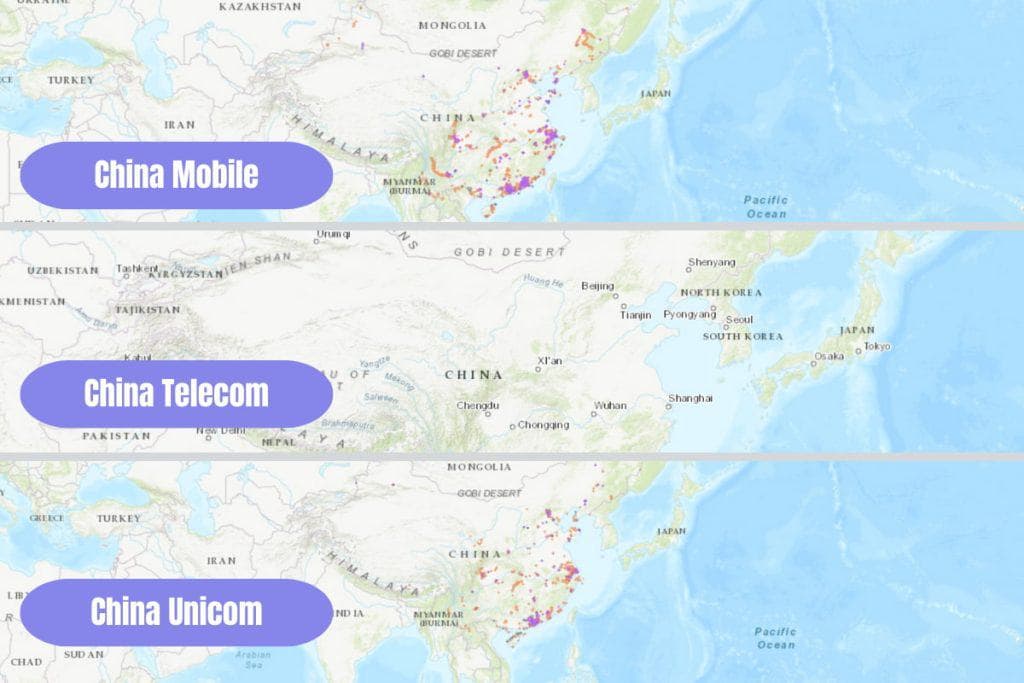
The Federal Communications Commission on Monday moved to potentially sever direct connections between U.S. networks and three major Chinese carriers, saying China Mobile, China Telecom and China Unicom must resolve problems with their certifications in the agency’s robocall mitigation database or face removal. The agency gave the companies two weeks to demonstrate that their continued access to U.S. networks does not threaten national security and serves the public interest.
If the FCC follows through and removes the carriers from the database, U.S. intermediate providers and voice service providers would be required to cease accepting calls directly from those foreign carriers. That would cut off a direct route for international calls into the United States and force carriers to reroute traffic through other intermediaries or block it outright, with implications for businesses, consumers and migrant communities who rely on direct international links.
The orders, issued on December 8, came as part of the FCC’s broader campaign to stem illegal robocalls and to clamp down on foreign entities the agency views as posing national security risks. Regulators singled out deficiencies in how the carriers had represented their compliance in the robocall mitigation database, a repository used by U.S. providers to vet the trustworthiness of call sources and to reduce spoofing and fraud. The FCC said the carriers must show within two weeks that continued connectivity is not a risk and is in the public interest, setting a deadline of December 22.
This action follows prior agency scrutiny and enforcement against Chinese telecommunications firms. The FCC rejected China Mobile’s application to provide U.S. services in 2019 and revoked operating authorizations for related carriers in 2021 and 2022. The commission has also been reviewing Chinese test laboratories and other firms that it says raise national security concerns, reflecting sustained regulatory pressure on entities deemed linked to foreign state influence.

Industry officials warned that removing the three carriers from the database could produce immediate technical and commercial ripple effects. U.S. providers rely on a complex web of international interconnections and intermediaries to route voice traffic. Shutting down direct feeds would likely increase costs for carriers that must find alternative routes, create delays in call setup, and complicate efforts to trace and block nuisance traffic. Consumers could experience higher rates for international calls or short term outages for certain direct connections.
The FCC framed the measure as a matter of safeguarding Americans from illegal robocalls and protecting critical communications infrastructure. The agency’s enforcement posture also underscores a broader U.S. policy trend of tightening control over foreign access to essential networks and services that could be exploited for espionage or disruption.
It remains unclear how China Mobile, China Telecom and China Unicom will respond, or whether the move will prompt diplomatic pushback. With the December 22 deadline approaching, U.S. carriers and regulators will be watching closely to see whether the companies can rectify their entries in the mitigation database and avert a step that could significantly alter the flow of international voice traffic into the United States.