FDA Clears Avance Nerve Graft, Potential Twelve Year Exclusivity
The U.S. Food and Drug Administration approved Axogen’s Avance Nerve Graft on December 4, 2025, reclassifying the product from donated human tissue to an approved biologic and opening the door to up to twelve years of U.S. market exclusivity. The decision could expand insurance coverage and surgical adoption for adults and children, while raising questions about access, pricing, and the future landscape for tissue based therapies.
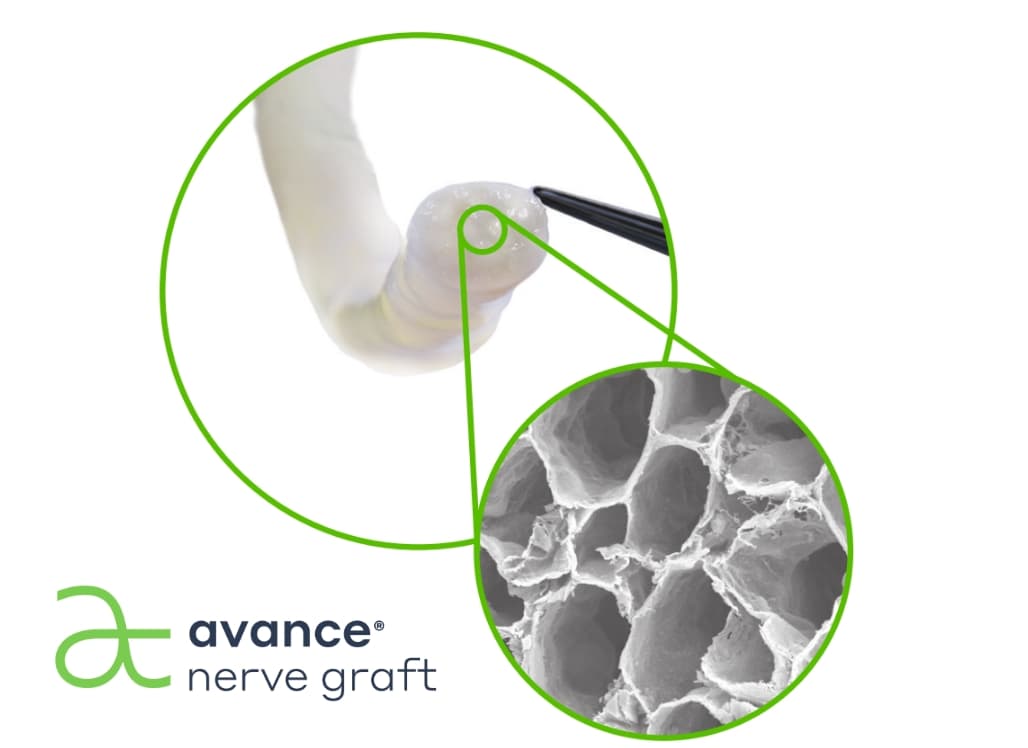
The Food and Drug Administration on December 4 approved Axogen’s Avance Nerve Graft for treating peripheral nerve discontinuities, a regulatory shift that elevates the processed human nerve allograft from a donated tissue to an approved biologic product. That reclassification makes the product eligible for up to twelve years of exclusivity under federal biologics rules, a protection that could shape competition in the market for nerve repair materials for the next decade.
Avance is an off the shelf processed human nerve allograft intended to bridge damaged sensory nerves without requiring surgeons to harvest a patient’s own nerve. By avoiding a second surgical site for nerve harvest, the graft aims to reduce the additional operative burden and the complications associated with autograft procedures. Commercial sales under the new approval are expected to begin in early second quarter 2026, though the product will remain available under prior tissue regulatory frameworks until that time.
Regulators and company executives said the approval may broaden insurance coverage and adoption by surgeons treating peripheral nerve injuries across adult and pediatric populations. Greater insurer recognition could mean that more patients have access to a ready made graft option, which advocates say may reduce delays in care and the need for more complex surgeries. Pediatric inclusion in the approved indication could be particularly important because children facing nerve injuries may benefit from avoiding additional operations and the long term consequences of donor site morbidity.
The approval carries significant public health and policy implications. On one hand, an approved biologic with broad labeling can standardize surgical practice, encourage training in reconstructive nerve techniques, and potentially improve functional outcomes by expanding the tools available to surgeons. On the other hand, extended exclusivity for a single manufacturer can constrict competition, with consequences for price and availability that tend to fall hardest on patients in low income communities and hospitals with limited purchasing power.

Health equity advocates and hospital policy makers will soon be watching insurer coverage decisions and Medicare and Medicaid reimbursement closely. If commercial payers and public programs move to cover the graft more routinely, access could widen. If payers resist expanded coverage or negotiate limited access through narrow networks, disparities in care between urban centers and rural or safety net hospitals could deepen. The transition from donated tissue frameworks to an approved biologic also raises ethical and regulatory questions about stewardship of donated human tissues and the commercial pathways that can follow.
For surgeons and health systems the immediate task will be to weigh clinical evidence, cost implications, and institutional capacity for incorporating the product into practice. For policy makers the challenge will be to balance incentives for innovation with safeguards to ensure affordability and equitable access. As Axogen prepares to commercialize Avance next year, the decision underscores how regulatory classifications shape not only clinical choices but also who ultimately benefits from biomedical advances.