Fed Minutes Reveal Sharp Split Over December Rate Cut
Minutes released Dec. 30 show unusually broad dissent among Federal Reserve policymakers over the quarter point interest rate reduction, underscoring strained consensus inside the central bank. The policy vote was nine to three to cut the federal funds rate to about 3.6 percent, the third reduction in 2025, and the record of the discussion raises fresh questions about the Fed's future path and market stability.
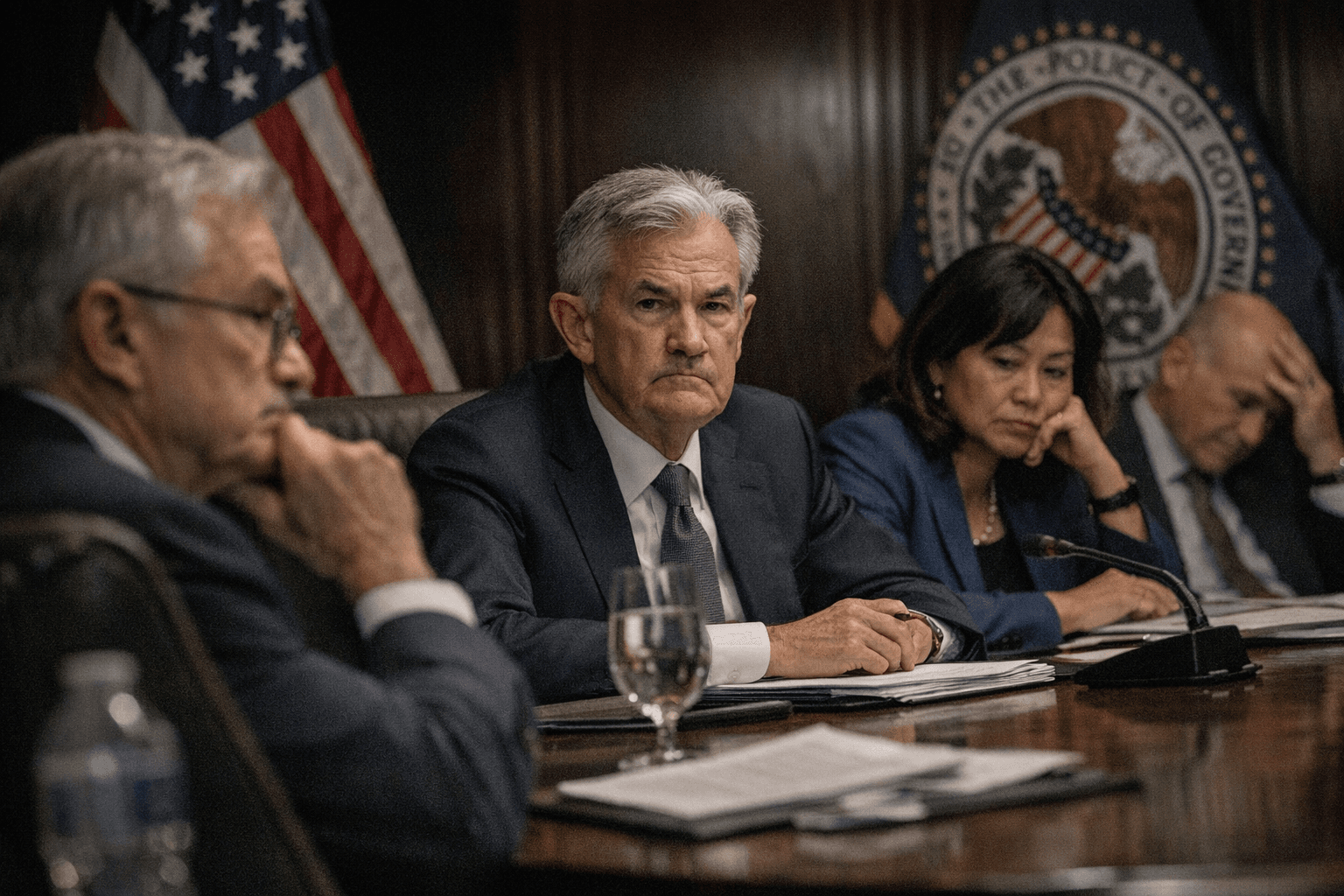
The Federal Reserve's minutes from the Dec. 9 to Dec. 10 policy meeting, published Tuesday, reveal a notably fractured committee that approved a quarter point cut to the federal funds rate by a vote of nine to three. The decision reduced the target rate to about 3.6 percent and marked the central bank's third easing move this year, but the minutes depict a broader and more persistent dissent than the public vote suggests.
Policymakers recorded sharply differing assessments of economic data and the appropriate policy response going forward. Some participants expressed reservations about reducing policy accommodation at this stage, while others signaled concern that insufficient easing could raise downside risks to growth. The document shows that the committee's consensus that had held through the inflation fight of recent years is under strain as officials balance labor market resilience, inflation readings and financial stability considerations.
The opening of the minutes came as markets and economists were already attempting to interpret the Fed's stance for 2026. A nine to three vote indicates a clear majority for the December cut, but the scale of documented disagreement will complicate the Fed's ability to project a unified forward path. A divided committee typically forces the central bank to adopt more conditional guidance, tying future moves tightly to incoming data and creating greater uncertainty for investors and businesses.
The market implications are immediate. When central bank decision making appears less cohesive, pricing of rate expectations can become more volatile. Investors will likely focus on subsequent releases of inflation and employment data for signals that might break the present split. For corporate and household borrowers, uncertainty about the trajectory of rates can raise borrowing costs indirectly by increasing risk premia, even as the official policy rate sits lower than it did earlier in the year.
From a policy perspective the minutes highlight a central tension faced by the Fed. After a long cycle of rate increases earlier in the decade, the committee has shifted to easing as inflation appeared to cool, but members are now debating how far and how fast to move. That debate has implications for the credibility of inflation targeting and for the Fed's ability to cushion a potential downturn without reigniting price pressures.
Over the longer term the episode may mark a turning point in Fed governance. Persistent internal splits can push the institution toward more frequent reliance on data dependent language and could increase the role of public communications in bridging differences. For markets accustomed to pronounced policy clarity in recent years, the minutes underscore that the path ahead may be bumpier and more contingent on economic developments than many had hoped.
Sources:
Know something we missed? Have a correction or additional information?
Submit a Tip