Federal award sends $193 million to Minnesota rural health
Minnesota received a $193 million first installment to expand rural health care services, with local implications for telehealth, workforce and chronic disease care.
Minnesota received a $193 million first-year installment from the federal Rural Health Transformation Program, part of a new $50 billion national effort to shore up rural health care over five years. The funding stems from legislation passed July 4, 2025 that rearranged federal support for public services while creating targeted investments for rural communities.
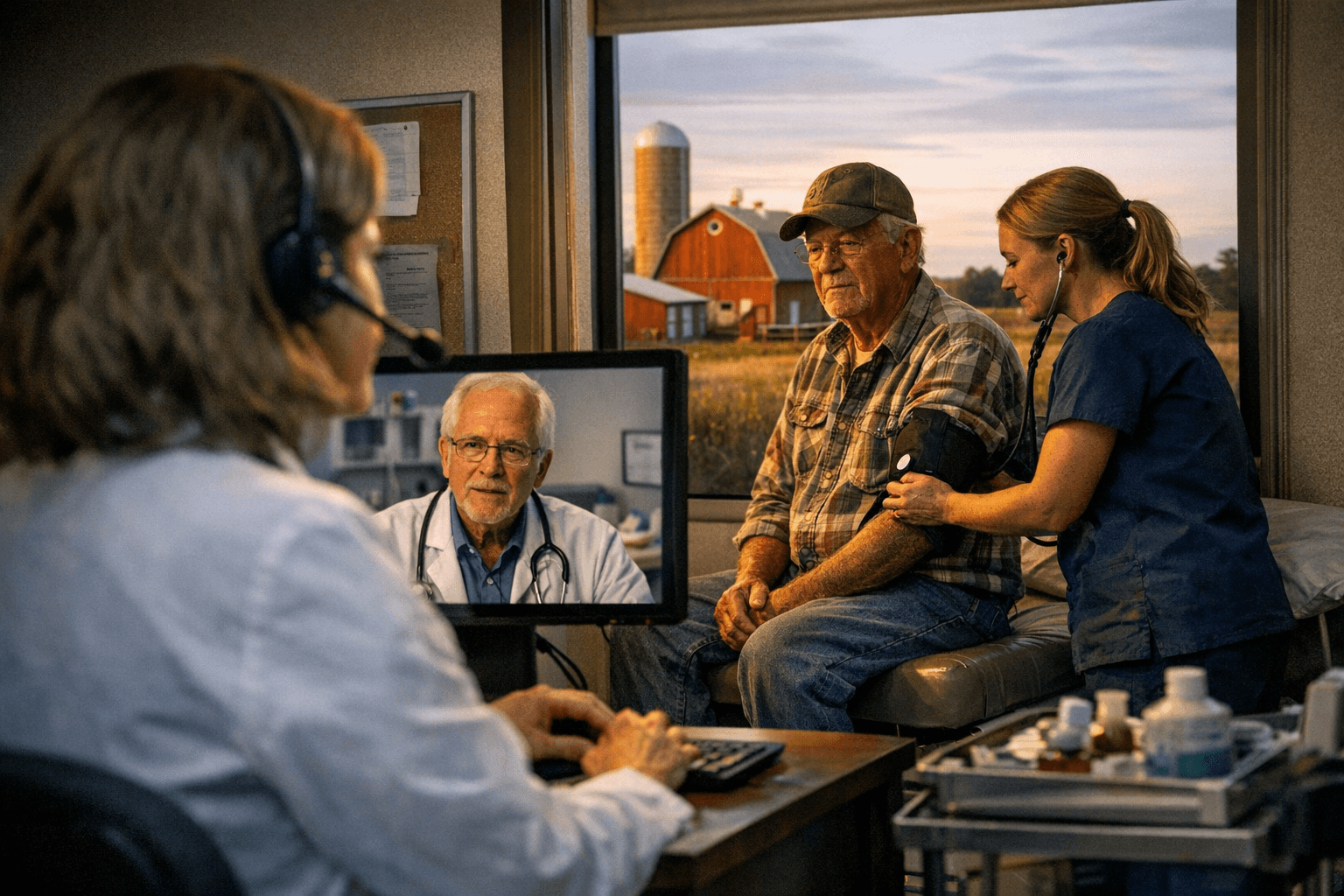
State health officials said the award will fund telehealth and other technology tools to bring care closer to home for rural residents, initiatives aimed at improving outcomes for people with or at risk of cardiovascular disease, diabetes and chronic kidney disease, and programs to expand the rural health care workforce. Money will also support mobile and community-based services, stronger provider partnerships, and investments in technology and data systems to bolster the financial stability of rural providers.
"With rural Minnesota facing unprecedented access and funding challenges, this award comes at a crucial time," stated Minnesota Commissioner of Health Dr. Brooke Cunningham in a news release. "It is an important investment in our rural communities, and we are excited to begin working with our partners to advance access to high-quality care, improve outcomes and ensure sustainable services in Greater Minnesota for years to come."
Minnesota submitted a proposal on Nov. 4 requesting $1 billion over five years; the state received the first-year base allocation plus additional funds Minnesota officials say reflect "an innovative plan" to address rural health challenges. The proposal was developed in collaboration with hospitals and health systems, safety-net clinics, tribes and local public health agencies, and state officials plan to continue stakeholder engagement as implementation begins.
For Beltrami County, the immediate implications are practical. Residents who routinely travel long distances for specialty care may see more telehealth options and periodic mobile clinics that reduce the need for hours-long trips. Local clinics and the county public health system could receive support for hiring and retaining clinicians, upgrading telehealth platforms, and improving data systems that help coordinate care for chronic conditions prevalent in rural communities.
The investment targets conditions that disproportionately affect rural and Native populations, which frames the award as both a health and equity intervention. Still, county leaders and community advocates face decisions about how to allocate funds locally and how to ensure services reach the most underserved neighborhoods and tribal communities. The broader legislation that created the program also included changes to Medicaid and food assistance programs, a context that will shape implementation and local budgets in the months ahead.
The takeaway? Watch for county public health briefings and hospital announcements about specific programs and timelines. Our two cents? Stay engaged: ask how funds will be spent in Beltrami County, push for clear reporting on outcomes and equity, and look for new telehealth and mobile services that can cut travel time and improve access to care.
Sources:
Know something we missed? Have a correction or additional information?
Submit a Tip