Federal judge curbs immigration agents’ crowd tactics in Minneapolis surge
Judge orders limits on nonlethal munitions and arrests of peaceful observers, requiring federal operation to comply within 72 hours as legal and political scrutiny intensifies.
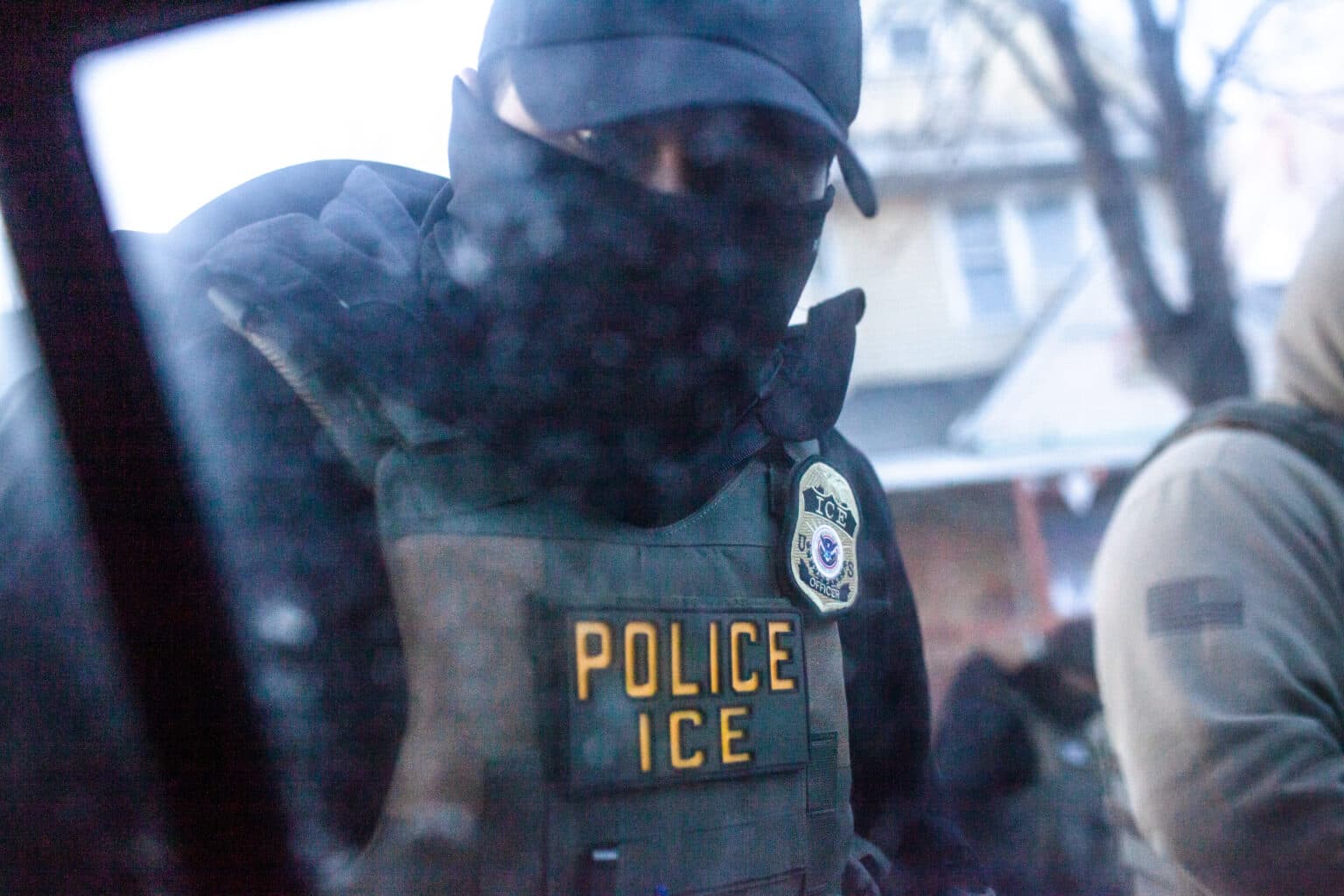
A federal judge on Thursday restricted the tactics federal immigration agents may use in the Minneapolis and St. Paul area, issuing an injunction that bars certain crowd-control measures against peaceful protesters and observers and imposes immediate compliance obligations on the Department of Homeland Security.
U.S. District Judge Katherine Menendez entered an approximately 80-83 page order in a case filed in December on behalf of six Minnesota activists and observers. The plaintiffs, represented by the American Civil Liberties Union of Minnesota, challenged enforcement practices tied to what federal authorities have called Operation Metro Surge. Menendez wrote that "there is little discussion in the caselaw about situations like the ones playing out all over the Twin Cities," a reference to mobile protest groups that assemble where immigration officers attempt arrests.
The injunction prohibits agents participating in the operation from using pepper spray, pepper balls, tear gas or "similar nonlethal munitions and crowd dispersal tools" against people who are "engaging in peaceful and unobstructive protest activity." It also bars arrest, detention or other retaliation against such protesters and bystanders who are observing and recording enforcement activity. The order restricts stops of drivers and passengers where officers lack "reasonable articulable suspicion" that occupants are forcibly interfering with law enforcement and directs that agents not follow or stop vehicles that remain at an appropriate distance.
The court directed that the injunction remain in effect for the duration of the surge and ordered DHS to bring its Minneapolis operation into compliance within 72 hours. The ruling comes amid a high-profile escalation in federal immigration enforcement following the fatal Jan. 7 shooting of Renee Nicole Good, a 37-year-old mother of three, by an Immigration and Customs Enforcement agent. That incident intensified weeks of protests and volunteer monitoring around the immigration operation.
Federal officials announced a large deployment of Homeland Security personnel to the Twin Cities, a force described by federal sources as roughly 2,000 agents. The presence has drawn sustained observing and monitoring by activists, legal observers and volunteers, and has produced several confrontations between agents and members of the public. Legal filings and advocacy groups cited incidents including a Venezuelan migrant wounded during an arrest and allegations that four Oglala Sioux tribal members were detained under a bridge; the Department of Homeland Security has said it could not verify some of those claims.

The Justice Department and DHS defended the operation in court filings, arguing that agents have faced "violent, obstructive, dangerous, and often criminal behavior" that necessitated use of measures such as pepper spray and arrests. DHS Assistant Secretary Tricia McLaughlin said the agency was taking "appropriate and constitutional measures to uphold the rule of law and protect our officers and the public from dangerous rioters."
The escalation has also drawn federal investigative attention to state and local officials. The Justice Department has issued subpoenas and is scrutinizing Minnesota Governor Tim Walz and Minneapolis Mayor Jacob Frey as part of an inquiry into alleged obstruction of federal immigration operations. Walz called the subpoenas "an authoritarian tactic," and Frey said they were "an obvious attempt to intimidate me for standing up for Minneapolis."
The injunction is likely to prompt a swift legal response from the federal government, which may seek emergency appellate relief to loosen constraints on enforcement. For now, the order places judicially enforceable limits on how federal immigration agents interact with protesters and bystanders in Minneapolis, setting a potential precedent for judicial oversight of federal crowd-control tactics amid contentious domestic deployments.
Know something we missed? Have a correction or additional information?
Submit a Tip

