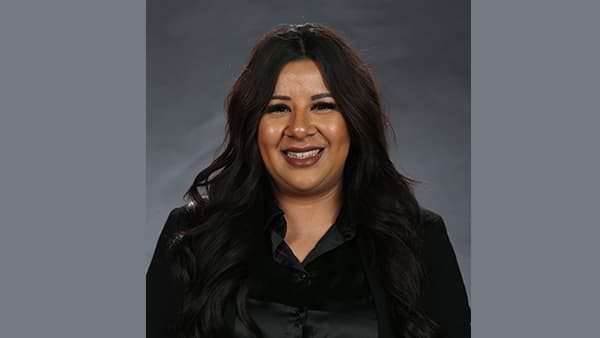
Federal jury convicts Fresno woman for taking son across state lines
A federal jury convicted 38 year old Shana Gaviola of conspiring to take her then teen son and force him into a boarding school in Missouri, violating a protective order. The conviction highlights challenges in enforcing protection orders across state lines, and raises questions about child safety and trust in the local justice system.

A federal jury on Dec. 9, 2025 convicted 38 year old Shana Gaviola of conspiring to take her then teen son and force him to attend a boarding school in Missouri in violation of a protective order. The verdict followed a five day trial at the downtown Fresno courthouse and carries a possible sentence of up to five years in prison and a fine of up to $250,000. Gaviola is scheduled to be sentenced April 27, 2026.
Prosecutors said the boy was taken and restrained while in transit, and that he was later retrieved from the school by his father. The case was handled in federal court because it involved moving the child across state lines in contravention of a court issued protection order. "A federal jury convicted Shana Gaviola ... of interstate violation of a protection order and aiding and abetting after a five day trial."
The trial drew attention earlier after judges recused themselves, and a visiting judge from Washington presided over the proceedings. Those recusals and the need to bring in an outside judge underscore tensions that can emerge in high profile family safety cases and may affect local confidence in how the courts manage sensitive domestic matters.
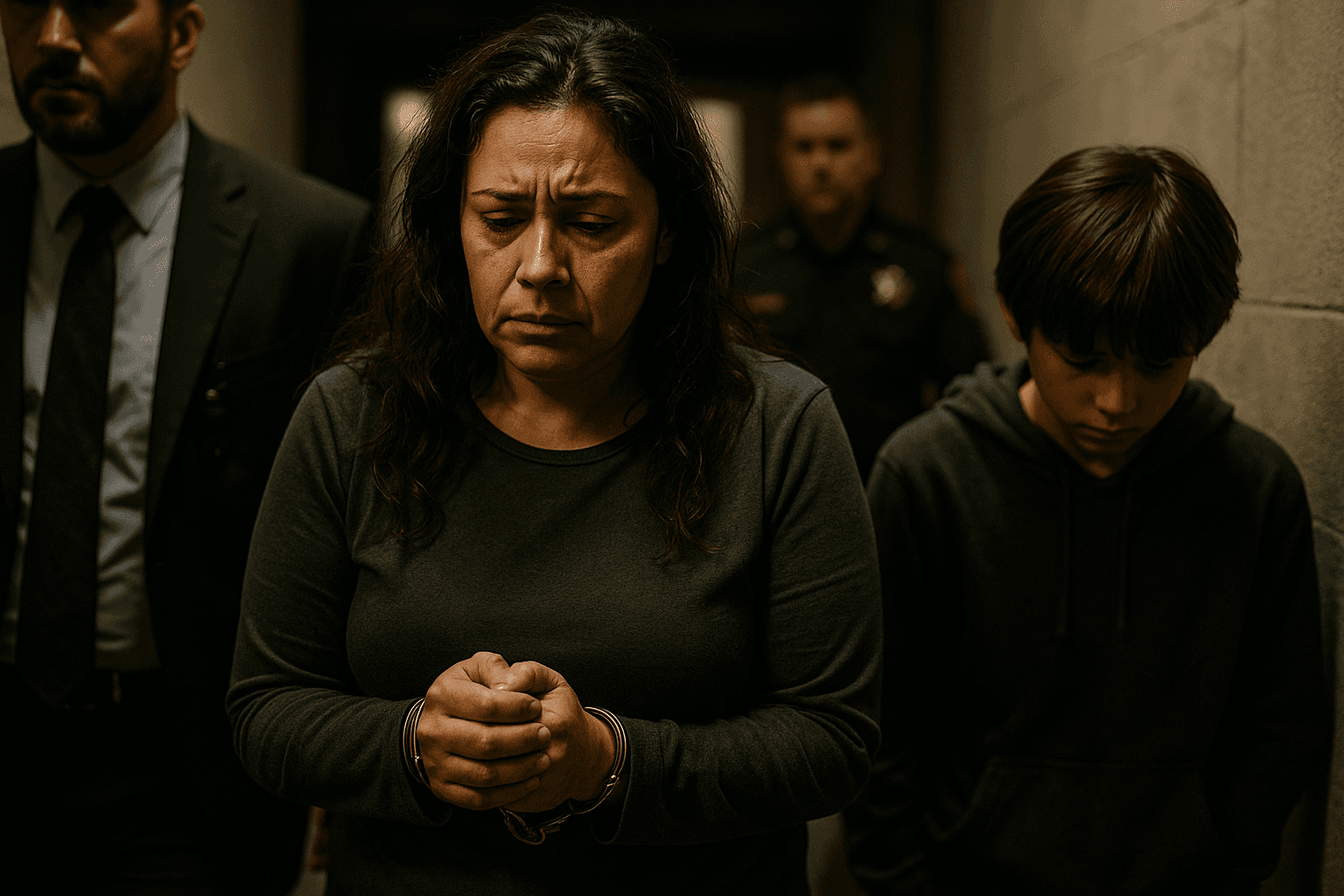
For Fresno County residents the case has several public health and community implications. Forced or coerced moves of children can cause acute and long term psychological trauma, complicating access to school services and mental health care. The federal conviction reinforces that protection orders have teeth, but it also exposes gaps in how those orders are enforced across state lines and how coordination occurs between local law enforcement, child welfare agencies, and federal authorities.
Local policymakers and service providers may face increased demand for trauma informed support services, and advocates say the verdict highlights the need for clearer protocols when protective orders are at risk of being violated across jurisdictions. As the sentencing approaches, community groups and officials will be watching to see how federal penalties and local remedies work together to protect children and uphold court orders.
Sources:
Know something we missed? Have a correction or additional information?
Submit a Tip