Federal notice challenges Boundary Waters mining ban, stokes debate
Federal notice says the Biden-era 20-year Boundary Waters mining ban was improperly enacted. The move could reshape mining prospects, conservation and local economies in Beltrami County.
Federal officials notified Congress today that they consider the Biden-era 20-year mining ban near the Boundary Waters Canoe Area Wilderness improperly enacted, a determination that could clear the way for expanded mineral development in northern Minnesota and sharpen a long-running local debate.
U.S. Rep. Pete Stauber, who represents the 8th District that includes parts of northern Minnesota, hailed the notice as correcting what he described as a failure that harmed regional mineral industry prospects and opening opportunities for mining investment. Stauber called the ban "dangerous and illegal." His office framed the move as an effort to restore what he and supporters say are fairer federal procedures and to protect jobs tied to the mining sector.
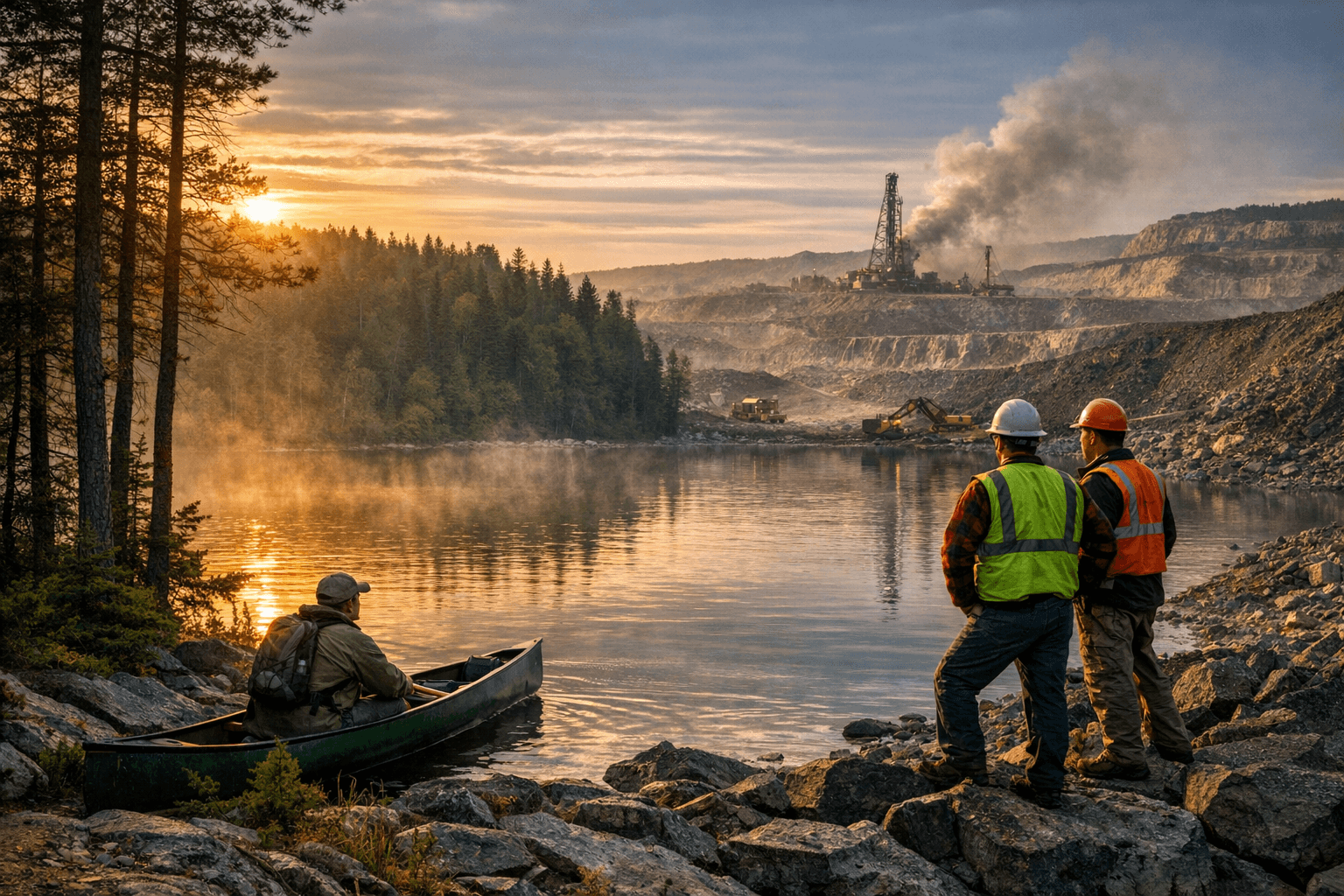
The announcement lands at the intersection of economic hopes and environmental concerns. Supporters of rolling back the ban argue northern Minnesota needs access to its mineral resources to support family-sustaining jobs, local suppliers and long-term community investment. Opponents remain worried about impacts to the Boundary Waters, lakes and streams that define much of Beltrami County's outdoor economy and quality of life. Environmental advocates who have long opposed mining around the BWCA say the notice could weaken protections for sensitive watersheds and canoe country that draw tourists and sustain local businesses.
Beyond local politics, the notice raises broader policy and institutional questions about how land protections are put in place and reviewed. The administration’s move not only challenges the legal footing of a 20-year exclusion but also signals potential shifts in federal oversight and permitting processes that shape whether and how exploration, permitting and reclamation proceed. That will affect county-level land use planning, emergency response preparation, and long-term conservation strategies in communities that border the BWCA.
For Beltrami County residents, the stakes are tangible. Mining proponents emphasize potential payrolls and contractor work for tradespeople, while opponents point to risks to fishing, paddling and lodge-based tourism that form a significant share of the local economy. Local governments and tribal nations in the region will be watching how federal agencies respond, whether Congress acts, and how state regulators position themselves in the months ahead.
The situation is evolving and likely to prompt hearings, legal reviews and public meetings as officials and stakeholders test the notice’s implications. The paddle versus pickaxe debate familiar in northern Minnesota is set to intensify, with practical consequences for land use, jobs and water protections.
The takeaway? Keep an eye on local permitting steps and county meetings, weigh both economic claims and environmental risks, and be ready to speak up at public comment opportunities if you care about how Beltrami County manages its lands and waters. Our two cents? Stay informed and engage early — these decisions shape our lakeside livelihoods for decades.
Sources:
Know something we missed? Have a correction or additional information?
Submit a Tip