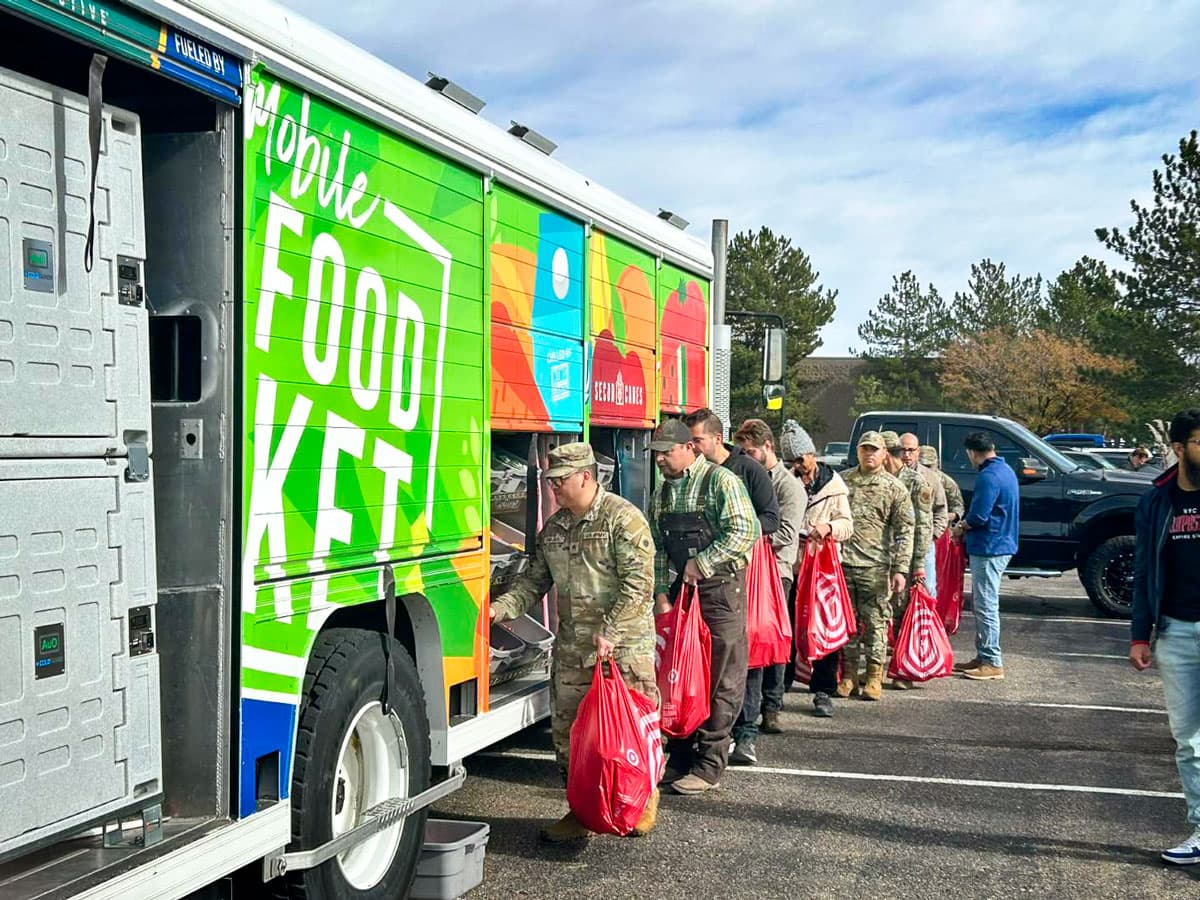
First Significant Snowfall of Season Brings Travel Disruptions, Local Impacts
The Front Range saw the season's first significant snowfall on December 2 and 3, leaving Douglas County communities with several inches of accumulation and creating hazardous travel conditions across the region. The early storm highlights risks for vulnerable residents and essential services, and raises questions about local preparedness, road clearing priorities, and access to health care during winter weather.
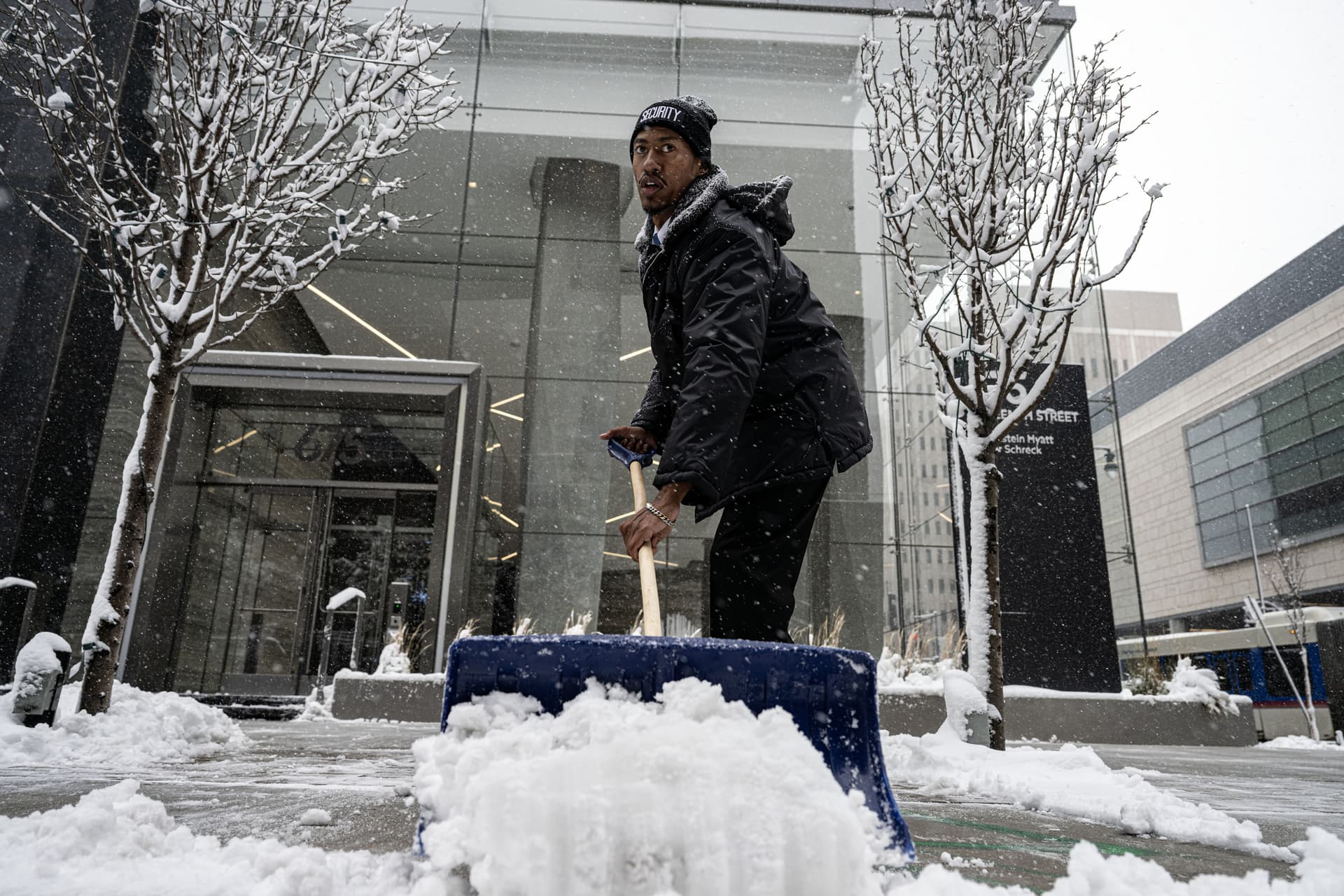
The Front Range received its first significant snowfall of the season during the overnight hours of December 2 into December 3. National Weather Service reported measurable totals across Colorado as of 9:30 a.m. on December 3, with foothills west of Denver and Colorado Springs seeing the highest accumulations, reaching approximately eight inches in some places. In Douglas County, local readings included approximately 4.5 inches in Parker, 3.8 inches in Castle Rock, 5.0 inches in Lone Tree, and 3.7 inches in Castle Pines.
The storm produced slick roads and slowed traffic across the Front Range as operators adjusted to early winter conditions. State and county crews worked to treat highways and major arterials, while many residential streets in suburban and rural neighborhoods remained snow covered for much of the day. Travel impacts included slower commutes, localized spinouts, and delays that affected commuters, school transportation, and delivery of goods and services.
For residents who rely on regular medical care, an early snow event can create immediate health risks and system strain. Cold exposure, falls on icy sidewalks, and delays in reaching clinics or pharmacies put older adults and people with mobility challenges at greater risk. People who depend on regular treatments such as dialysis, scheduled infusions, or oxygen deliveries may face barriers if roads become impassable or if public transit is reduced. Local health providers and emergency services must balance storm response with routine care, and municipal coordination is essential to maintain equitable access.
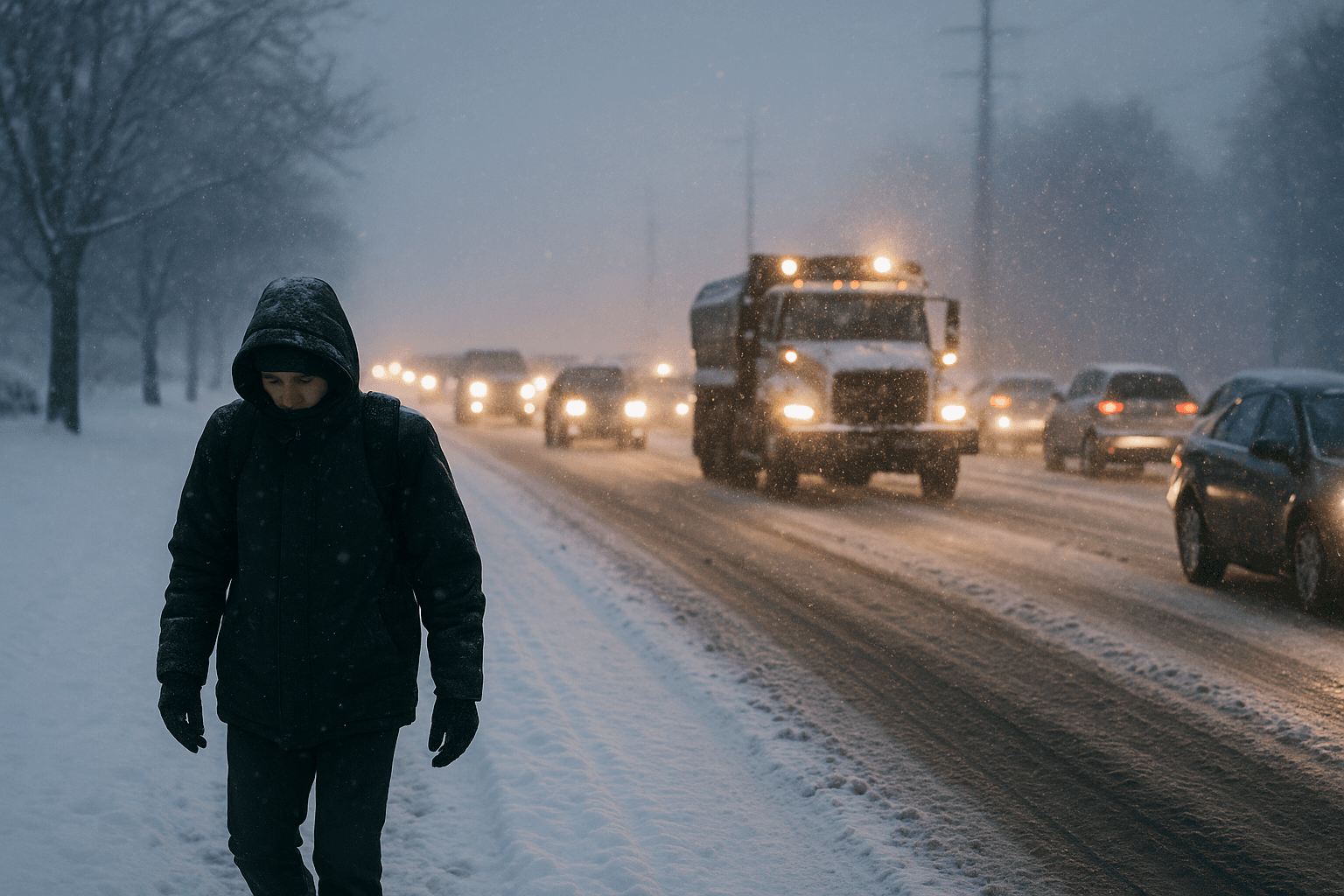
The storm also underscored disparities in winter readiness. Households without reliable vehicles, workers who must travel for hourly jobs, and neighborhoods with limited snow clearing resources tend to bear a disproportionate share of the disruption. Policy choices about plow prioritization, public transit routing, and outreach to low income and older residents determine who remains connected during weather emergencies.
Residents are advised to check National Weather Service briefings and follow winter driving guidance, limit travel when roads are poor, keep emergency supplies on hand, and check on neighbors who may be isolated or vulnerable. As the season progresses, local planning that centers equity and health access will be key to reducing harm from recurring winter storms.