Flood recovery lags in McDowell County, families still rebuilding
Photojournalist Roger May returned to southern West Virginia on December 4, 2025 to document how families across McDowell, Mingo, Logan and Wyoming counties are coping nearly a year after the February floods. His visual, first person account shows damaged homes, slow repairs and ongoing needs for housing, debris removal and infrastructure work that matter deeply for public health and community stability.
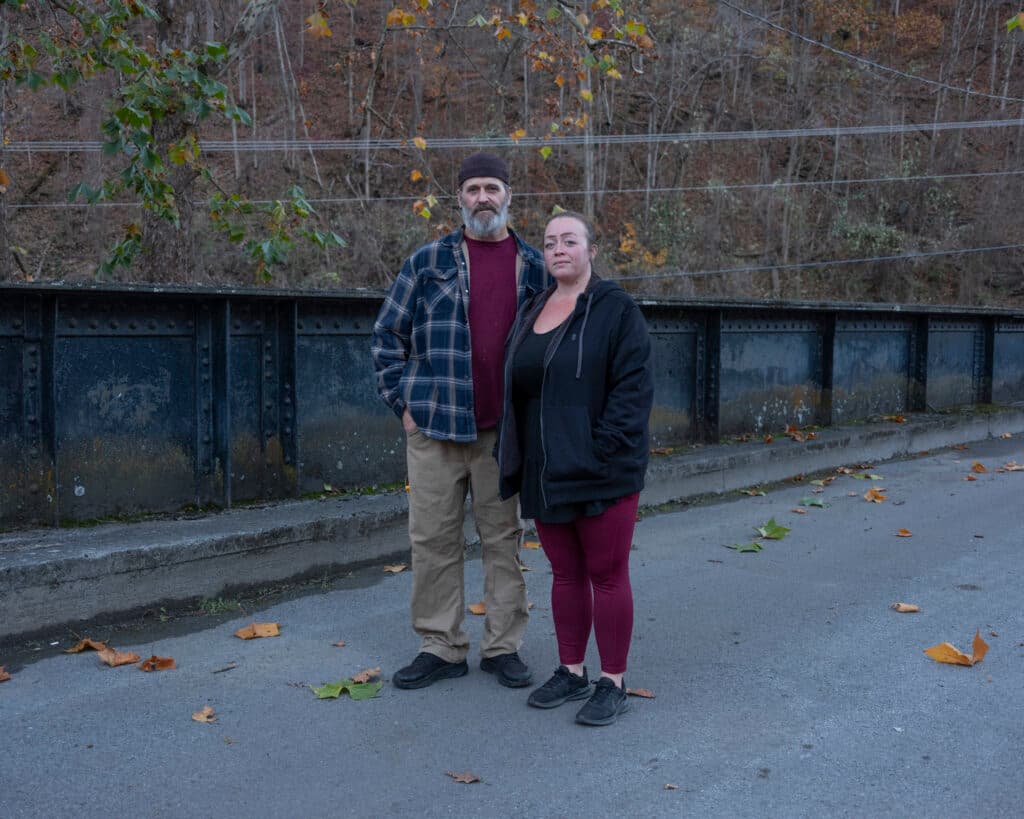
On December 4, 2025 photojournalist Roger May visited McDowell County and neighboring coalfield communities to chronicle the lived reality of residents still living in the flood aftermath. His portraits and field reporting centered on Welch area families who survived harrowing rescues, lost possessions and now face long timelines to rebuild. Many households remain displaced or working on home repairs that move forward at a pace that does not match their urgency.
The immediate human toll of the floods is compounded by persistent public health concerns. Standing debris and water damaged structures increase the risk of mold and respiratory illness. Interrupted utilities and damaged roads can delay medical care and complicate management of chronic conditions. Mental health strain from traumatic rescues and prolonged uncertainty is a common thread in May's images, underscoring the need for accessible behavioral health services as recovery stretches from months into a year and beyond.
Community leaders and residents described continuing needs for safe temporary housing, coordinated debris removal and prioritized infrastructure repairs. These recovery gaps highlight deeper structural questions about resource distribution in coalfield towns that have historically faced underinvestment. The slow pace of returning to normal routines amplifies economic pressures, strains informal caregiving networks and widens disparities in who can rebuild quickly and who cannot.
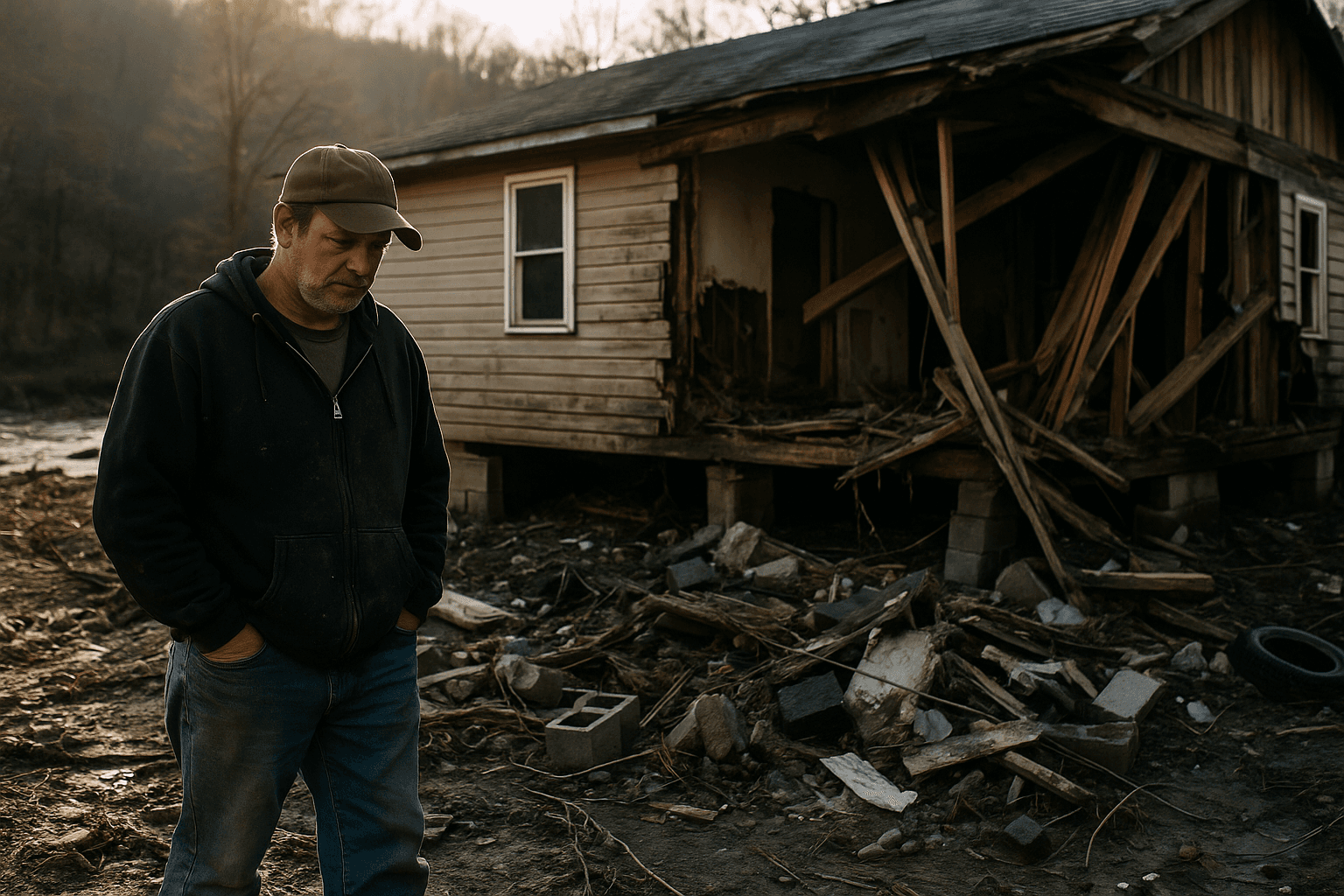
Policy choices now will shape long term resilience. Restoring roads, water systems and housing stock will require funding decisions that center equity and local input. Investments in debris removal and housing assistance paired with expanded access to primary care and mental health services can reduce downstream health harms. Conversely, delays in rebuilding extend exposure to environmental hazards and deepen social inequities.
May's visual essay is a reminder that recovery is not a single moment. For McDowell County and neighboring communities, the work ahead is as much about reconstructing homes as it is about rebuilding systems that protect health, support economic recovery and ensure that the most vulnerable residents are not left behind.