Flood Recovery Shapes Holiday Giving, Strains Water and Housing Systems
As the holiday season arrived, communities still rebuilding after the deadly February floods faced renewed hardship, with angel tree requests in places like Iaeger reflecting long term housing and water damage. Local churches and nonprofit groups stepped up with toy drives, food distribution and household supplies while state lawmakers outline economic development and flood recovery priorities for the 2026 legislative session that will shape local resources.

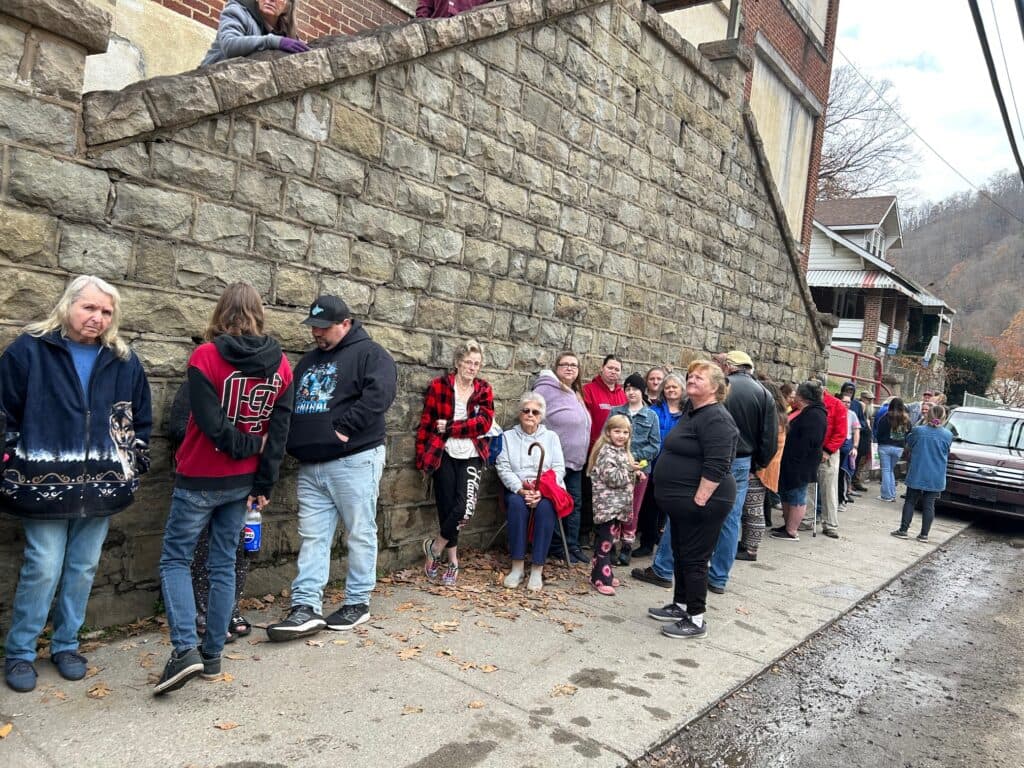
As winter set in, families across McDowell County continued to confront the long tail of the February floods, a crisis that left homes, water systems and community infrastructure damaged and in many cases uninhabitable. Paper angel tree ornaments listing children s names and small wish lists have become a barometer of need, with many requests reflecting basic household items and repairs rather than seasonal luxuries. In communities such as Iaeger, those lists underscore how slow recovery has been and how fragile progress remains.
Religious congregations, community organizations and local businesses have remained frontline responders, coordinating angel tree programs, distributing toys, and delivering food and essential supplies to households still displaced or living in compromised housing. These efforts provide immediate relief and preserve community ties, but volunteers and aid leaders say the scale of need exceeds what informal relief alone can address as winter weather raises the stakes for heating, safe drinking water and shelter.
Public health implications are significant. Damaged water infrastructure increases risks for contamination and undermines basic hygiene, complicating care for chronic conditions and increasing exposure to respiratory and gastrointestinal illnesses. Limited housing options force some families into crowded or temporary settings that can worsen mental health and impede access to primary and preventive care. For residents with mobility or income barriers, these gaps amplify existing inequities in health and safety.
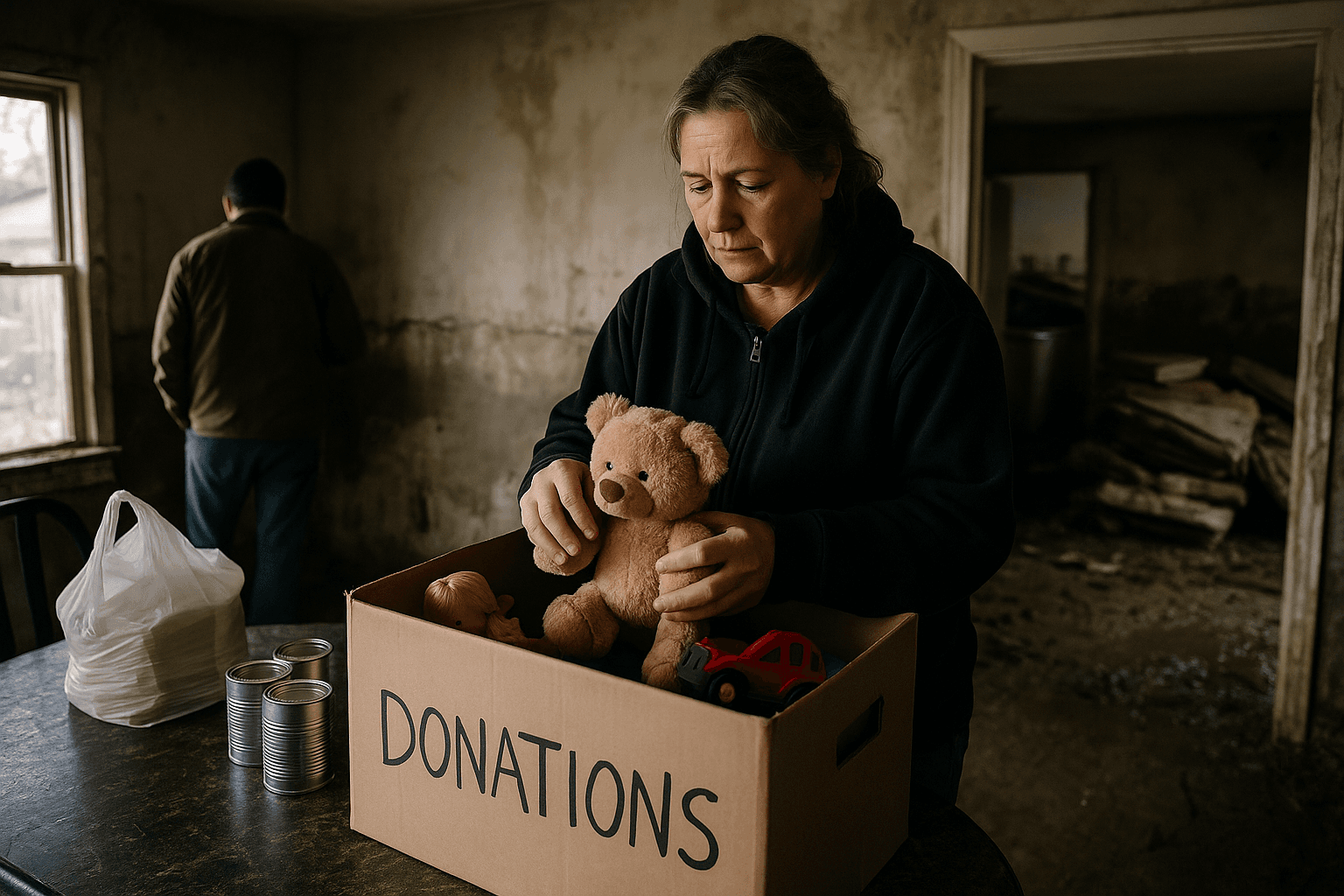
Policy decisions at the state level will influence how quickly those gaps are closed. State House Republican leaders have outlined economic development priorities for the 2026 legislative session, and lawmakers are examining recovery and prevention strategies following this year s deadly floods. Funding for water system repairs, housing reconstruction and mitigation projects will determine whether recovery centers on rebuilding what was lost or on preventing future devastation.
For McDowell County residents, the coming weeks will test the durability of community support and the speed of policy responses. Local relief efforts remain vital, but sustained public investment and equitable policy choices will be necessary to protect health, restore homes and reduce vulnerability to future flooding.
Sources:
Know something we missed? Have a correction or additional information?
Submit a Tip