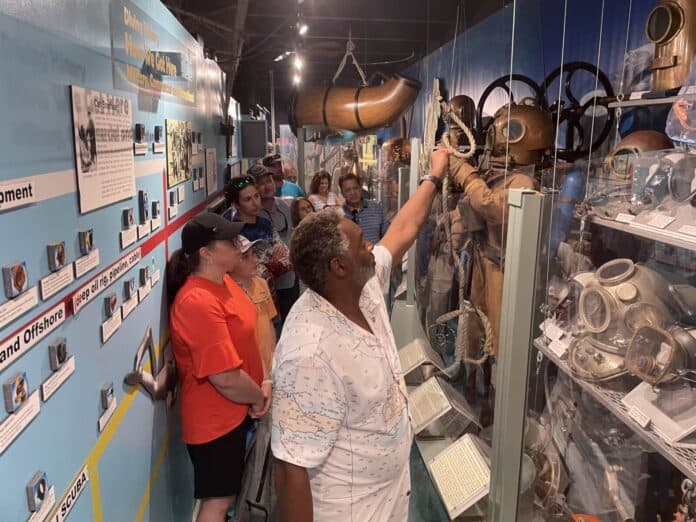
Florida Keys Sanctuary Rules Affect Monroe County Boaters and Fishers
The Florida Keys National Marine Sanctuary sets rules to protect coral reefs, seagrass beds and coastal waters along the Keys, and those rules have direct implications for Monroe County residents who boat, fish, dive or run tourism businesses. Residents should be aware of no take zones, permit requirements, seasonal advisories such as red tide and high king tides, and the sanctuary and partner agencies offer programs, volunteer cleanups and outreach to help balance recreation and conservation.
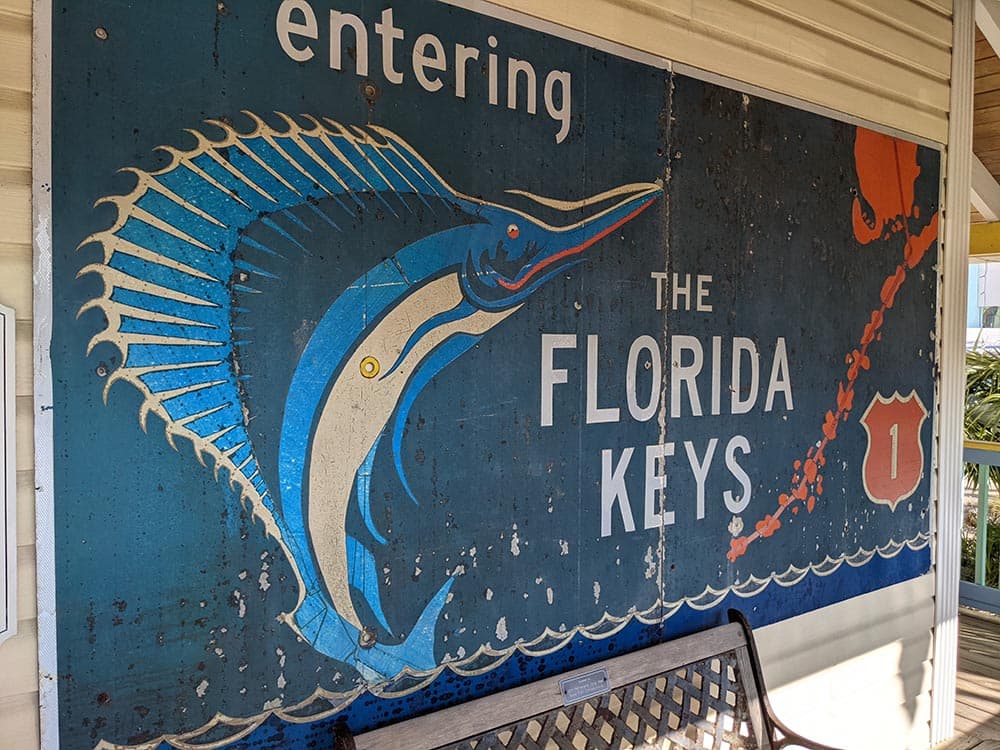
The Florida Keys National Marine Sanctuary governs use of reefs, seagrass and nearshore waters that underpin Monroe County's coastal economy and way of life. Its regulations include designated no take zones where extraction is prohibited, as well as permitted activities that require prior authorization. Boaters face guidance on anchoring and transit to reduce damage to coral and seagrass, while fishers must follow rules designed to balance recreational access with long term resource protection.
For local boat owners and commercial operators, anchoring guidance and permitted mooring areas are the primary operational constraints. Improper anchoring is a common source of reef injury, and compliance with anchoring guidance reduces the risk of damaging habitat that supports fisheries and tourism. Divers and snorkelers are urged to follow established protocols to avoid contact with coral, and to report injured wildlife or coral damage so response teams can act quickly. Seasonal hazards such as red tide events and high king tides affect water quality and marine life, and they can alter fishing and tourism patterns during peak months.
The sanctuary works with partner agencies to deliver educational programs and volunteer reef cleanups that both improve habitat and spread best practices among residents and visitors. Fishing rules are framed to preserve catch opportunities while maintaining healthy populations, reflecting a policy trade off between short term economic activity and long term ecosystem services. For Monroe County the economic stakes include dive operations, charter fisheries and waterfront businesses that rely on intact reefs and clear water.
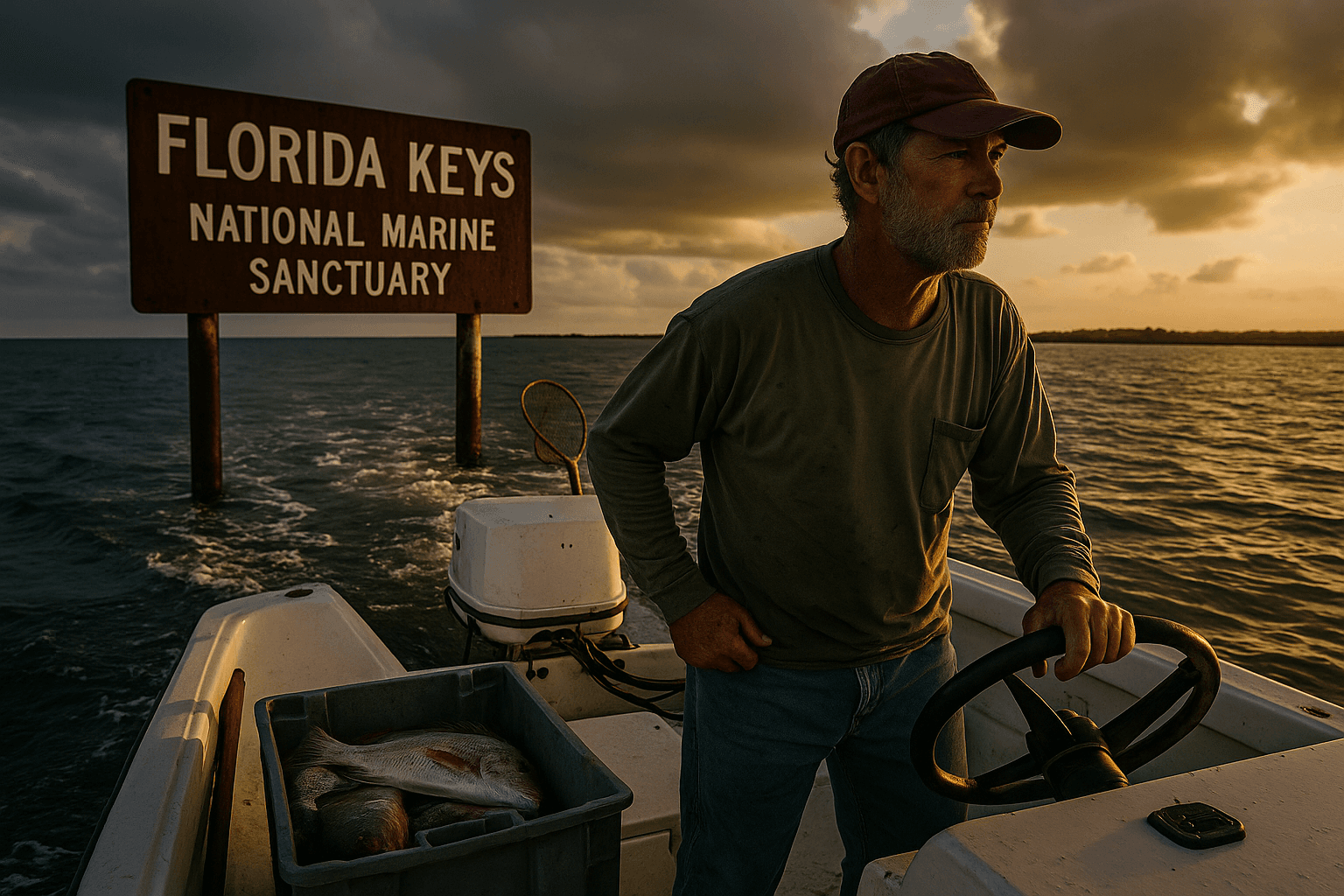
Looking ahead, managers are balancing adaptive enforcement and outreach because ongoing pressures such as warming seas and sea level changes increase the vulnerability of coral and seagrass. Residents should consult NOAA and Monroe County resources for up to date restrictions, permit requirements and outreach events. Practical steps include using permitted moorings when available, avoiding contact with reef structures, reporting injuries or unusual marine conditions, and participating in volunteer cleanups to help maintain the natural assets that support Monroe County livelihoods and quality of life.
Sources:
Know something we missed? Have a correction or additional information?
Submit a Tip