Flu Surge Drives Hospitalizations in Northern Michigan Communities
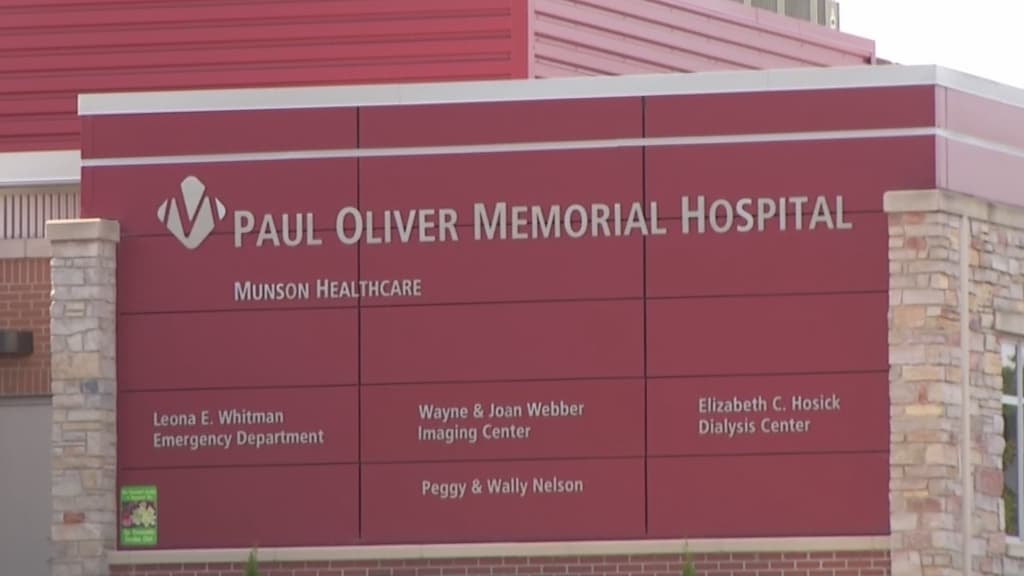
Northern Michigan is experiencing a rise in influenza and other respiratory illnesses, with Munson Healthcare reporting about two dozen local hospitalizations as of Jan. 7. Statewide data showing more than 900 influenza hospitalizations in late December, along with circulating RSV and COVID-19, heightens concern about clinic and hospital capacity and underscores the need for vaccination and basic prevention measures.
Northern Michigan health providers are seeing an uptick in influenza and other respiratory illnesses as part of a broader statewide surge that hospitalized more than 900 Michigan residents in the last week of December. Munson Healthcare reported roughly two dozen Northern Michigan residents were hospitalized with the flu as of Jan. 7, and health officials have warned the 2025-26 season could arrive early, be more intense, and last longer than typical seasons.
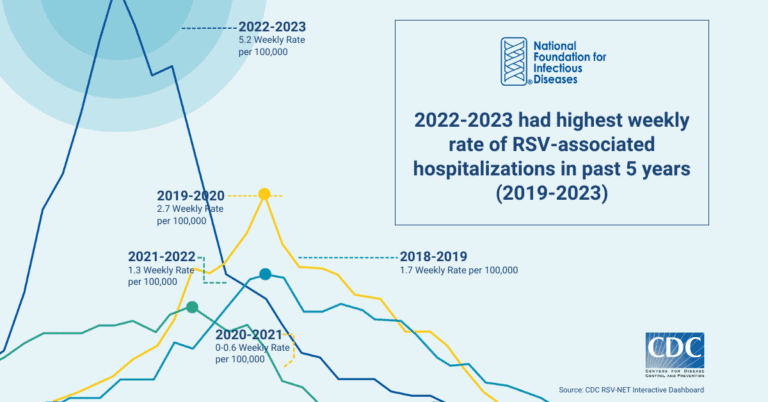
Dr. Joe Santangelo, chief medical, quality and safety officer for Munson, noted that while the state overall is experiencing very high flu activity, Northern Michigan’s cases have been arriving somewhat later than in other regions. The simultaneous presence of respiratory syncytial virus and continued COVID-19 transmission means clinics and hospitals face the challenge of managing multiple respiratory threats at once.
The immediate public-health guidance is familiar but vital: get vaccinated if you have not already, consider antiviral medicines when appropriate and prescribed, stay home when sick, practice good hand hygiene, and wear masks in high-risk settings when needed. Seek medical attention if symptoms become severe. Those steps reduce illness spread and protect people most at risk of complications, including older adults, young children, pregnant people, and those with compromised immune systems or chronic conditions.
For Grand Traverse County residents, the surge poses practical consequences. Increased emergency department visits and hospital admissions can lengthen wait times for care and strain staffing at hospitals and clinics already managing routine services. Long-term care facilities and shelters are especially vulnerable to outbreaks that can quickly affect residents and staff. Rural residents and households facing transportation, financial, or insurance barriers may have more difficulty accessing vaccines, timely testing, or antiviral treatment, compounding health inequities.

Policy responses matter locally. Expanding vaccine access through community clinics, school-based or mobile vaccination efforts, and clear communication about when to seek care can blunt the surge’s impact. Employers and local governments can also reduce spread by supporting paid sick leave and flexible work arrangements so people can stay home when ill without risking their income.
As the season progresses, prevention remains the most equitable and effective tool communities have. Residents are urged to update vaccinations, observe normal respiratory precautions, and contact their health-care providers if symptoms worsen. Keeping clinics and hospitals functioning requires collective measures that protect the most vulnerable and preserve local health-care capacity.
Sources:
Know something we missed? Have a correction or additional information?
Submit a Tip