Forsyth County Ends Common Courtesy Rides Program Soon
Forsyth County notified riders on December 10 that the Common Courtesy transportation program for seniors and riders with special transportation needs is scheduled to end soon, leaving users to find alternative travel arrangements. The change matters for residents who rely on these rides for medical appointments, grocery shopping, and social services, and it raises questions about county transportation planning and budget priorities.
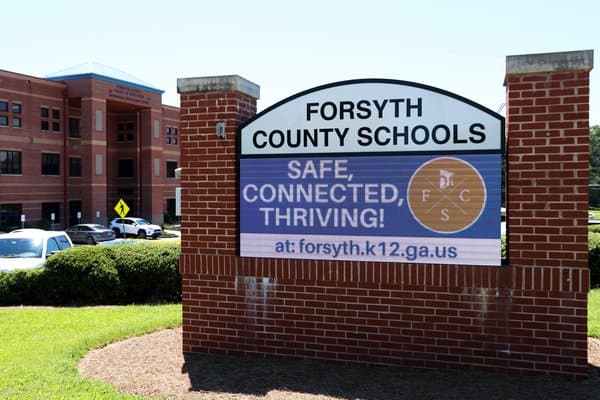
Forsyth County informed participants in the Common Courtesy transportation program on December 10 that the program will be terminated soon. The county sent notice to current riders outlining the upcoming timeline for service termination, how existing trips will be handled in the short term, and where riders can direct questions or seek alternative options through county senior services and transportation contacts.
The Common Courtesy program has provided door to door rides for older adults and people with special transportation needs. Its planned end will affect routine travel for many residents who do not have reliable access to fixed route transit or private vehicles. Short term impacts are likely to include cancelled or consolidated trips for medical appointments and essential errands, and increased demand on family members, nonprofits, and other community programs that fill mobility gaps.
County officials framed the change within ongoing transportation planning and budgeting discussions. Ending the program reduces a line item in the county transportation budget, but it also shifts costs and responsibilities elsewhere in the community. The decision highlights trade offs officials face when balancing limited local funds, federal and state grants, and service priorities for a growing and aging population.

For residents seeking help, the county notice directed riders to the Department of Senior Services and to the county transportation planning office for questions and referrals to alternative options. The notice also described other avenues for travel assistance including public transit services, paratransit programs, and community nonprofit or volunteer driver programs. Riders and caregivers should contact the county offices listed in the notice to confirm timelines for final trips and to learn about transitional arrangements.
The termination creates an immediate policy question for elected officials and county administrators about how to ensure equitable mobility for vulnerable residents. The county will need to demonstrate how its broader transportation plan will accommodate people who relied on Common Courtesy rides. Residents interested in the program outcome and future transportation priorities should attend upcoming county meetings, review budget documents, and direct questions to the county senior services and transportation planning offices to hold decision makers accountable and to seek workable alternatives.
Sources:
Know something we missed? Have a correction or additional information?
Submit a Tip.png%3Fver%3DQ-krsPr6PP4k-iaEZPi9KQ%253d%253d&w=1920&q=75)
