Forsyth County Students Advance Early Lyme Detection With CRISPR
Students at Lambert High School developed a CRISPR based test that showed the ability to detect Lyme infection in lab simulations as early as two days after exposure, and the team placed in the high school top 10 at an international competition in Paris. The project highlights local investment in school laboratory capacity, raises questions about regulatory and public health pathways for student led innovations, and underscores choices voters and officials face about funding STEM and public health resources.
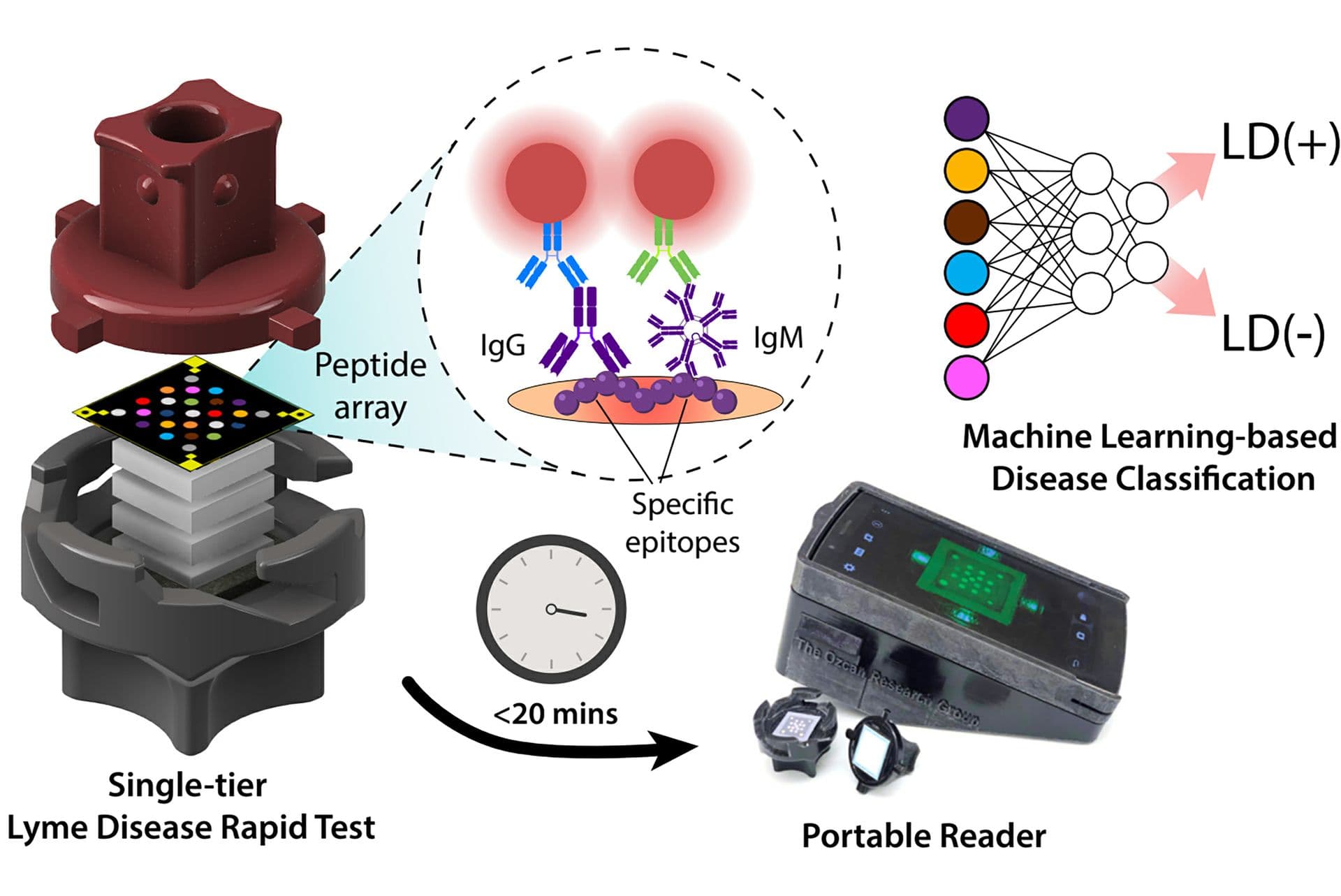
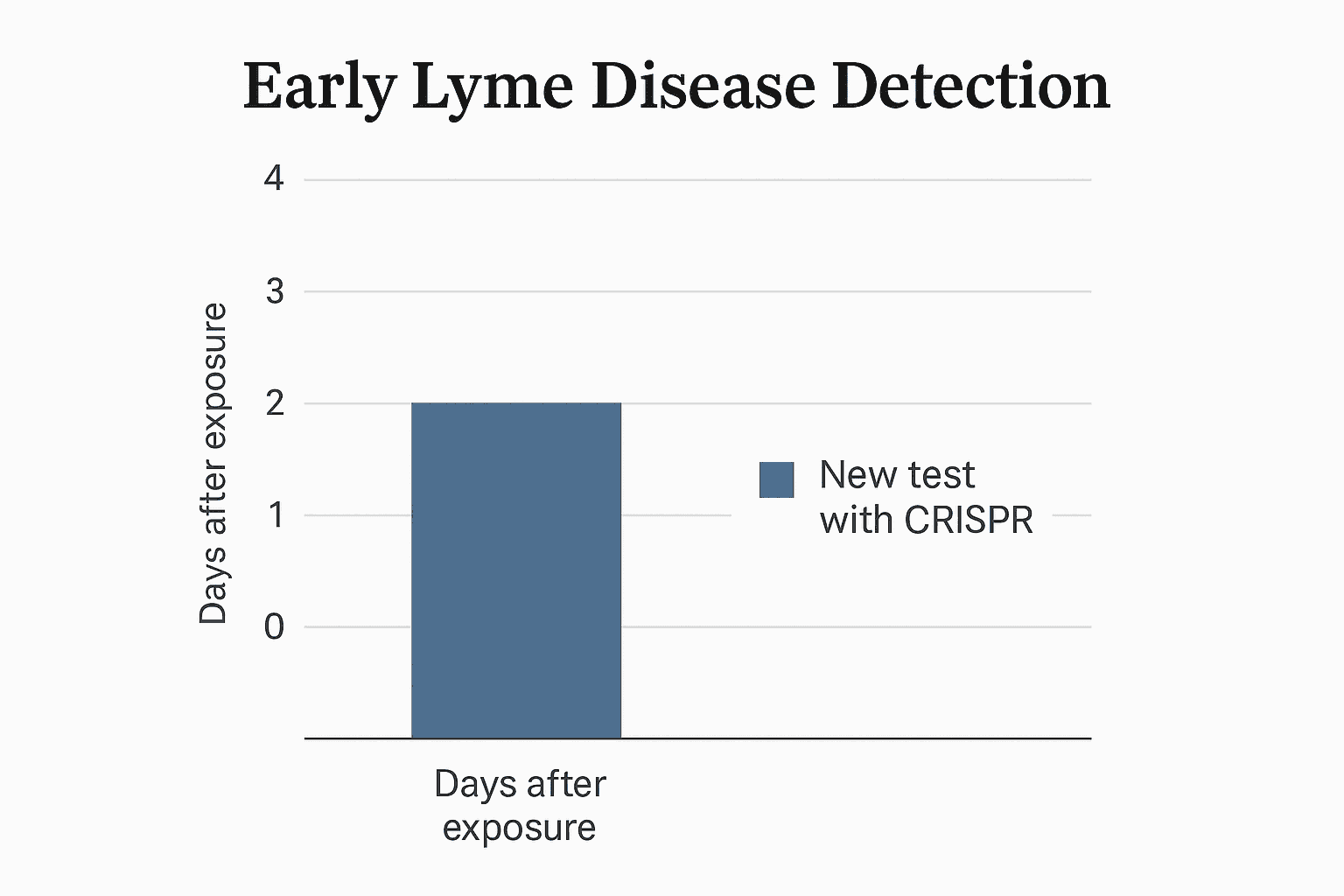
A team of public high school students in Forsyth County used gene editing technology to build a prototype test aimed at detecting Lyme disease earlier than current clinical methods. In laboratory simulations the test detected a protein associated with Lyme infection as early as two days after simulated exposure, a proof of concept that the students presented at an international science competition in Paris where their team finished among the high school top 10 and won an award for best software tool. The group was the only American high school team to reach the top 10.
The students developed a kit style format similar to familiar at home diagnostic tests, and they stressed that the work remains preliminary. Translating a laboratory proof of concept into a tool for human diagnosis will require extensive additional testing, clinical trials, regulatory approvals, and partnerships with medical laboratories and public health agencies. Local laboratory resources played a central role in the project, with the school lab supported in part by local and county funding that allowed students access to advanced equipment and training.
For Forsyth County residents the project carries both promise and practical policy questions. Earlier detection of Lyme infection could change clinical treatment windows, surveillance data, and community health outreach. At the same time community leaders must weigh oversight, biosafety, and ethical considerations when public school programs work with gene editing technologies, and clarify the limits of student led research before any clinical application.
The outcome also connects directly to local civic decisions about school and county budgets. Investments that enable advanced STEM education can produce demonstrable results in competitions and in real world problem solving. Voters and elected officials who set funding priorities for schools and public health will confront trade offs between expanding such laboratory capacity and ensuring equitable access across the school district.
Next steps for the project include further laboratory validation, external scientific review, and formal clinical pathways if partners and regulators deem the approach viable. For now the work stands as a local example of how county supported school resources can accelerate student innovation while raising governance and public health questions that will require informed community engagement.