Forsyth students return energized for second semester activity surge
Students returned to school to begin the spring semester and a busy calendar of activities and milestones that affect Forsyth families.
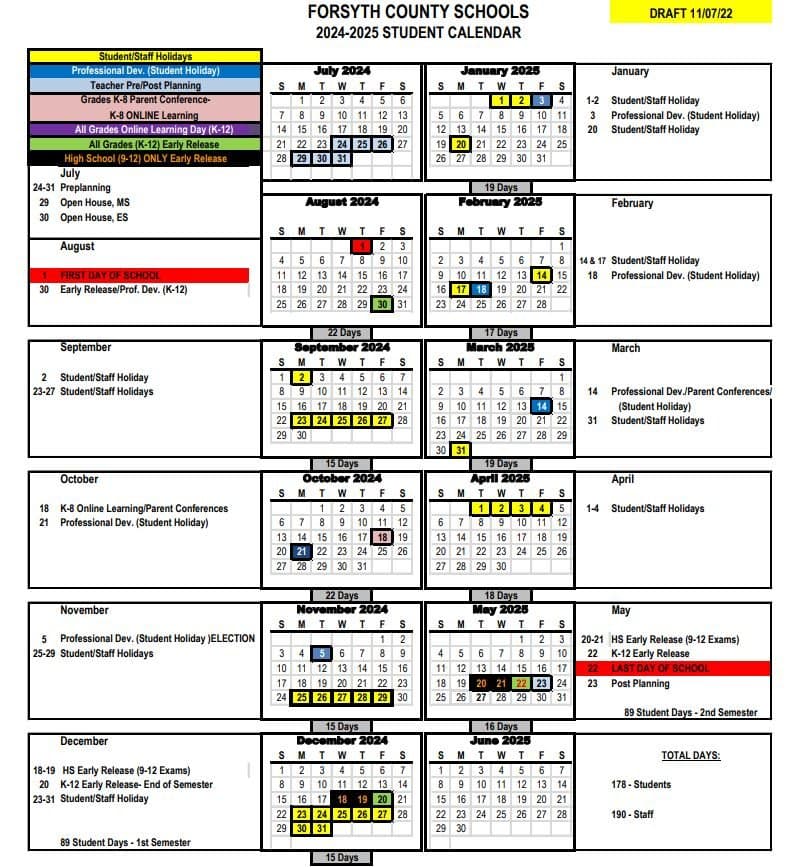
Students across Forsyth County returned to class on Jan. 6 for the start of the second semester, bringing renewed energy to classrooms, cafeterias and athletic fields. Administrators, teachers and staff welcomed learners of all ages—bundled kindergartners to graduating seniors—as schools shifted from holiday routines into a packed schedule of academics, extracurriculars and milestone events.
The district described the week as a momentum-building moment. Classroom instruction resumed while clubs, sports schedules and competitive events ramp up, creating dozens of opportunities for students to engage, perform and prepare for end-of-year assessments and graduations. For families, the calendar means more after-school pickups, earlier bedtimes and coordination with coaches and advisors.
Public health remains a core concern as the semester restarts during respiratory virus season. Higher contact rates from sports, music rehearsals and school events increase the potential for spread of flu and other illnesses. School nurses, custodial teams and leadership must balance keeping activities running with protecting students and staff who are medically vulnerable. Parents and caregivers should monitor symptoms, keep sick children home, and check in with school health staff about attendance policies and isolation recommendations to reduce disruption and limit outbreaks.
Beyond immediate illness prevention, the second semester highlights longstanding equity issues in Forsyth schools. Milestone events such as spring competitions, field trips and graduation activities can require fees, transportation and volunteer support. Students from low-income households often face barriers to participation when costs, lack of reliable rides, or limited access to equipment are factors. Ensuring broad access means schools and community partners must prioritize fee waivers, bus schedules and rental or loaner programs so that headlines about success reflect the whole county, not just those who can afford extra expenses.

Mental health and academic recovery also move to the forefront as staff identify students who need tutoring, counseling or special education services. The restart offers a fresh chance to close learning gaps widened by earlier disruptions. Coordinated outreach by counselors and teachers, plus accessible information for families about supports, will determine whether momentum translates into measurable gains.
For the wider community, the busy semester underscores how schools anchor local health, economic and civic life. Businesses that host events, volunteers who chaperone, and health providers who partner with schools all share a stake in smooth operations.
The takeaway? Keep kids healthy and connected: monitor symptoms, ask your school about supports for fees and transportation, and encourage participation where possible. Our two cents? A strong second semester depends on community effort—show up, check in, and make sure no student is sidelined.
Sources:
Know something we missed? Have a correction or additional information?
Submit a Tip