Four New Sculptures Expand Florida Keys Trail and Community Health
Four sculptures donated to the Florida Keys Sculpture Trail were added along U.S. 1, bringing the outdoor collection from 15 to 19 pieces and extending public art access from Key West to Key Largo. The additions matter for Monroe County because they provide free cultural amenities that can support mental well being, encourage outdoor activity, and raise questions about maintenance and equitable access across island communities.
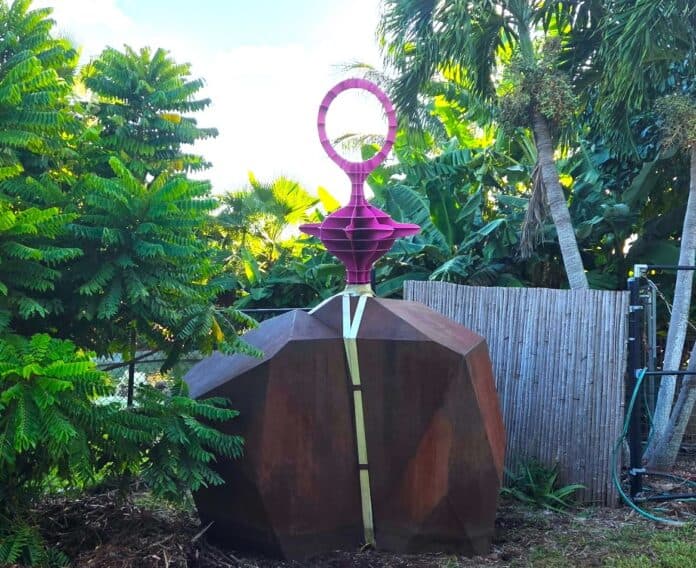
On December 4, 2025, the Florida Keys Sculpture Trail grew by four pieces thanks to a philanthropic donation coordinated with the Florida Keys Council of the Arts. The sculptures were created by artists working with the Art Students League of New York and were acquired for the Keys by philanthropist John Padget and his late partner Jacob Dekker. Organizers completed donation deeds with council leadership and presented photographs and background material about the artists at the signing.
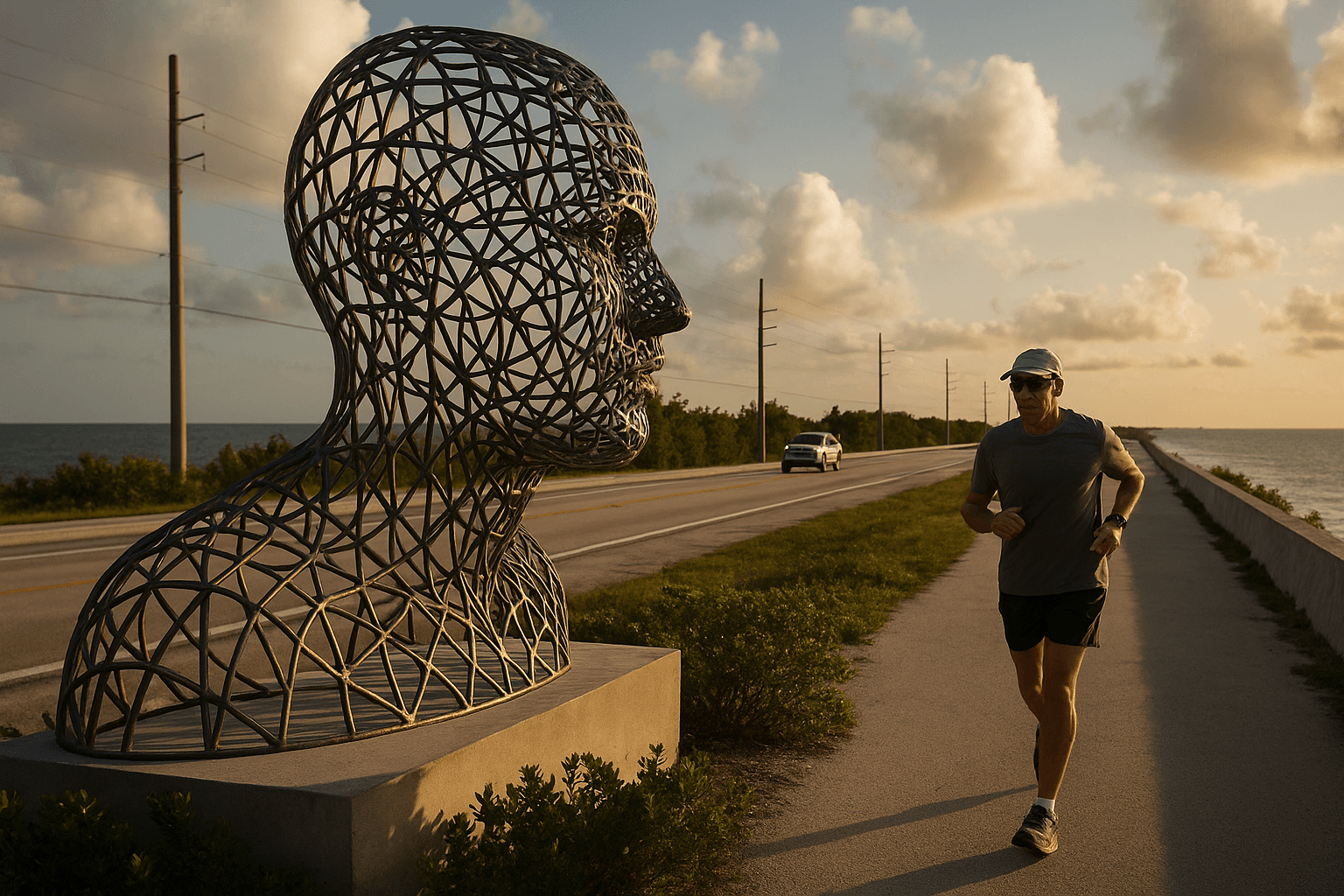
The trail, which runs along U.S. 1 from Key West to Key Largo, now totals 19 outdoor works. One new installation, Moonfinder by Malin Abrahamsson, was installed at Grimal Grove Park on Big Pine Key. Three additional sculptures were slated for placement in Islamorada, Key Colony Beach, and Marathon, identified as Hourglass, Ectoplasm, and SBNO respectively. The program operates under the county and City of Key West 1% for Public Art programs, which administer public art investments for county and municipal projects.
For Monroe County residents, the expanded trail offers more accessible cultural space without an admission fee, which can reduce barriers to arts participation for residents who face transportation or income challenges. Outdoor public art also creates destinations that invite walking and informal gatherings, contributing to neighborhood activation and informal social support networks that public health experts associate with improved mental well being. The dispersed locations along U.S. 1 increase the chance that smaller communities and visitors will encounter art during routine travel.
At the same time, the expansion raises practical policy questions for county and municipal leaders. New installations require long term maintenance, site security, and accessible pathways so the benefits are shared equitably. Funding set aside through 1% for Public Art programs covers acquisition but local officials will need to plan for upkeep and inclusive programming, particularly in lower income island communities where cultural investment has been uneven.
The donation strengthens the Keys cultural landscape and provides immediate opportunities for outdoor recreation and reflection. Local arts leaders and public officials now face the task of ensuring that the sculptures remain accessible, safe, and maintained so they can deliver sustained community and public health value across Monroe County.