Free Notary Training Held at Forsyth Courthouse, Officials Stress Legal Risks
Forsyth County hosted two free notary training sessions at the county courthouse on Dec. 1, aimed at current and prospective Georgia notaries. Organizers said the instruction helps reduce legal risk for signers and notaries, and officials urged strict adherence to statutory duties.
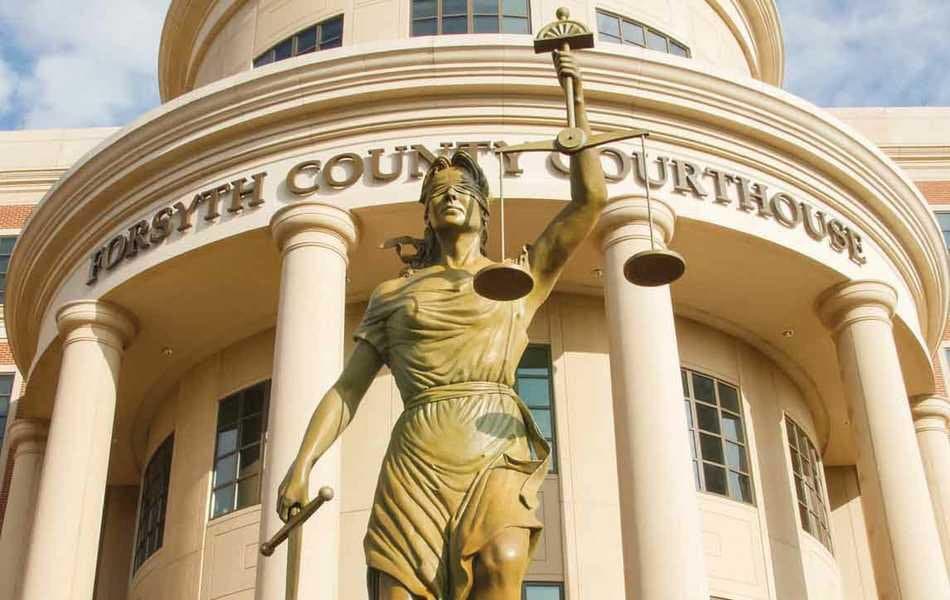
Forsyth County Superior Court Clerk Greg Allen and the Georgia Superior Court Clerks’ Cooperative Authority held two free notary training sessions at the Forsyth County Courthouse on Dec. 1. The sessions were open to the public and described by organizers as "highly recommended to anyone who is a notary public in the state of Georgia or interested in becoming a notary." Reservations were required and were handled through the Clerk of Court Facebook page at Facebook.com/forsythclerk.
The first session ran from 10:30 a.m. to 2 p.m. and the second ran from 2 p.m. to 3:30 p.m. Both were conducted on the first floor in the jury assembly room at 101 E. Courthouse Square in downtown Cumming. The training was free to attend and targeted practical responsibilities that notaries encounter in everyday transactions, including identity verification, proper acknowledgment procedures, and recordkeeping.
Allen framed the training as part of an effort to prevent costly legal consequences for notaries and for community members who rely on notarized documents. He warned that it is "important to remember that a notary public should perform their duties to the utmost extent of the law. Failure to do so could result in costly lawsuits and penalties as a notary can be liable for his or her actions." That emphasis on liability underscores the county’s intent to reduce errors that can disrupt real estate closings, estate administration, and other civil transactions.

For Forsyth residents, the sessions offered direct benefits. Properly trained notaries help preserve the integrity of documents used in property transfers, loan closings, powers of attorney, and other legal processes common in a growing suburban county. The training also lowers risk for small businesses and nonprofit organizations that rely on volunteer or staff notaries.
The courthouse program reflects an institutional effort to centralize practical training through the Superior Court Clerk’s office and the state clerks cooperative. Organizers urged attendees and anyone who performs notarizations to consult the Clerk of Court Facebook page for future sessions and resources.