Free wildflower workshop equips Los Alamos residents to restore pollinator habitat
PEEC will host a free Jan. 24 workshop teaching residents to plant native wildflowers that support bees, butterflies and local biodiversity.

Los Alamos residents can learn hands-on techniques to restore pollinator habitat at a free workshop hosted by the Pajarito Environmental Education Center (PEEC) on Saturday, Jan. 24. The event runs 2 to 3:30 p.m. at the Los Alamos Nature Center, 2600 Canyon Rd, and partners include Los Alamos Bee City and the Los Alamos Seed Library.
The session is designed to help homeowners, renters with container plots, and stewards of shared community spaces choose appropriate native seed mixes, prepare soil, and sow for long-term success. Organizers say the focus is on low-maintenance plantings that bolster bees, butterflies, and other essential pollinators that underpin local ecosystems and food systems on the Pajarito Plateau.
Pollinator-friendly plantings have health and equity implications for the county. Native wildflowers support pollinators that contribute to pollination of gardens and small-scale food production across northern New Mexico. Neighborhood green spaces and accessible community plantings also provide mental health benefits, cooling effects during heat events, and reduced reliance on chemical inputs when designed for local conditions. Free programming and seed access through partners like the Los Alamos Seed Library help remove cost barriers so more households can participate in the region’s ecological recovery.
The workshop is pitched for a range of landscapes - from backyard beds to small patches along canyon edges - and emphasizes techniques suited to the local environment. For residents concerned about maintenance, native mixes are promoted for their resilience and lower watering needs once established, a practical consideration for many property types in Los Alamos where slope, elevation and microclimates matter.
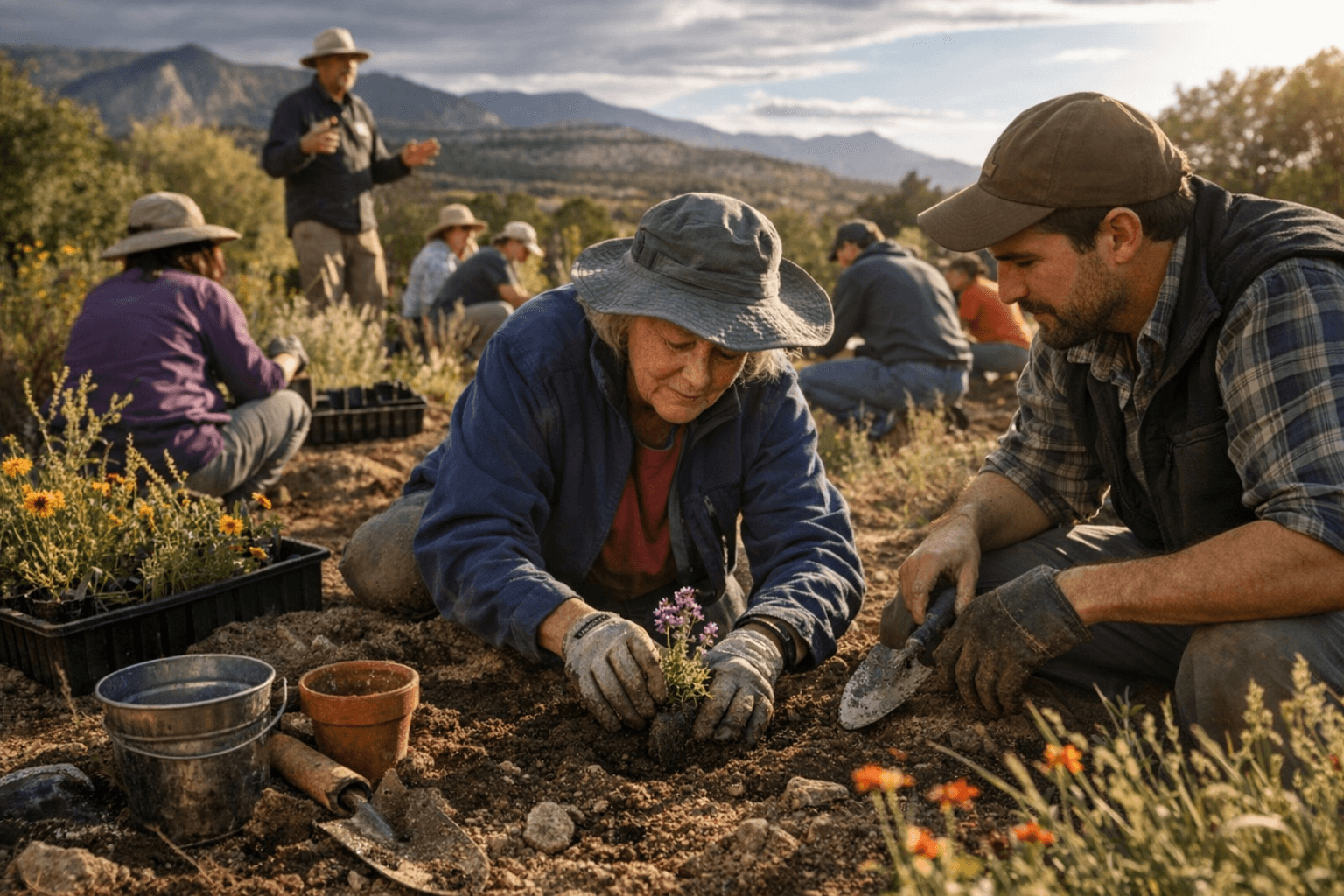
PEEC operates the Los Alamos Nature Center and runs regular nature education programs that connect science-based stewardship with community action. This event extends that work into applied conservation: planting now can increase floral resources through the growing season and contribute to greater biodiversity in neighborhoods and public spaces.
For locals looking to take part, the admission is free and the location is centrally accessible on Canyon Road. The hands-on format is intended to make seed-sowing approachable for first-timers as well as experienced backyard stewards.
The takeaway? Planting native wildflowers is a simple, low-cost step that builds habitat, strengthens neighborhood resilience and makes outdoor space healthier for people and pollinators alike. Our two cents? Bring curiosity, a willingness to get your hands a little dirty, and a plan for where those seeds will grow next spring.
Sources:
Know something we missed? Have a correction or additional information?
Submit a Tip