Fresno County launches Driving Change campaign to curb DUIs
MADD Central Valley and Hedrick Chevrolet launched Driving Change to reduce impaired driving after more than 2,000 DUI arrests in 2025. The campaign pairs education, enforcement and business outreach.
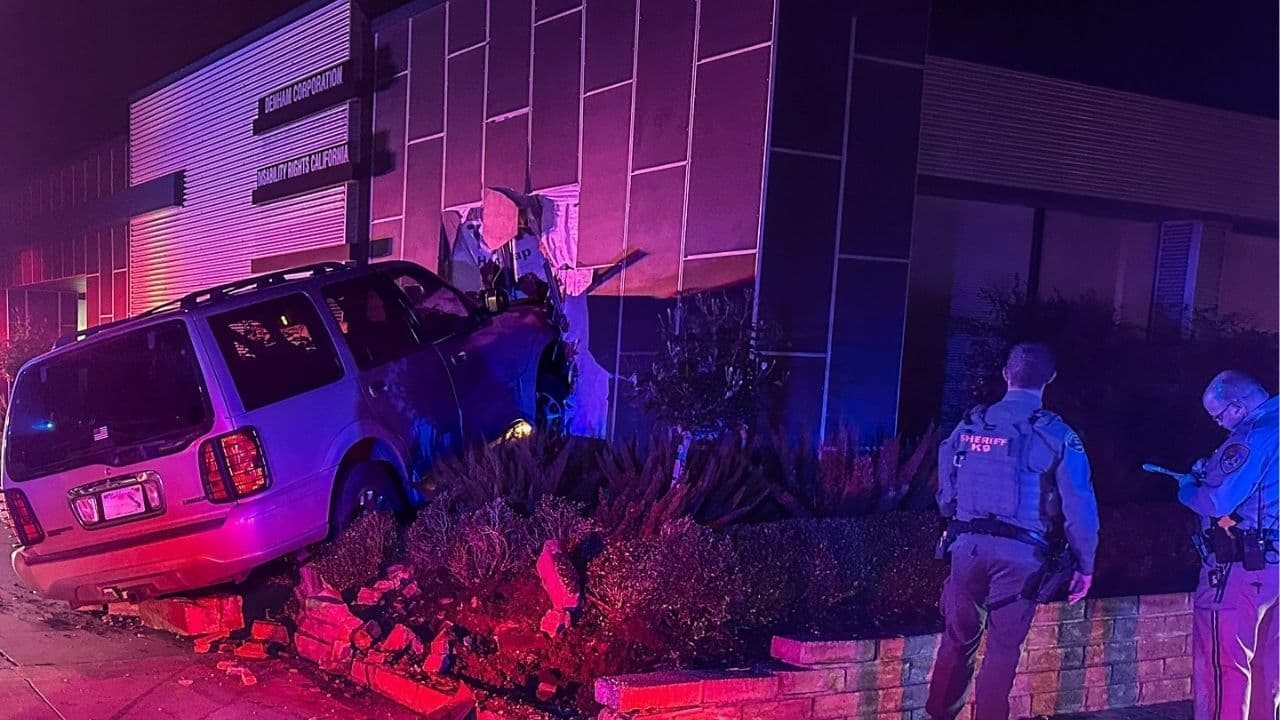
Mothers Against Drunk Driving Central Valley and Hedrick Chevrolet announced the Driving Change campaign in Clovis on Jan. 7, 2026, aiming to stem a rise in impaired driving that county officials say produced more than 2,000 DUI arrests and multiple fatal crashes in 2025. The effort combines community outreach, victim testimony and coordinated law enforcement to reduce preventable deaths on local roads.
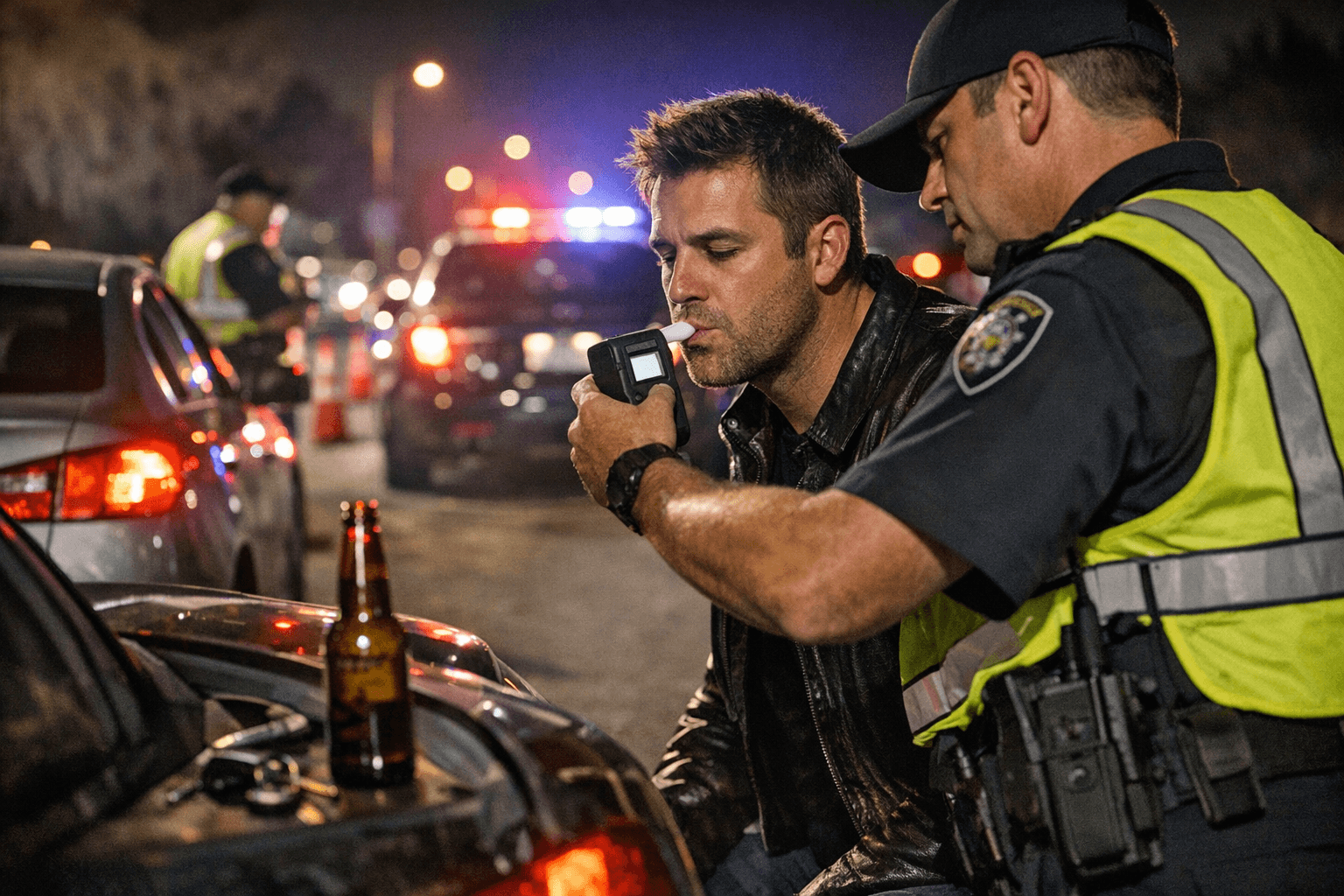
County and public safety leaders emphasized that the campaign is not just about citations but about changing behavior through education and partnerships. Local law enforcement and community partners said the campaign will combine public education, business outreach for responsible alcohol service, and increased patrols and checkpoints funded through grants and local partnerships. Outreach will target neighborhoods across Fresno County while tailoring messages for different communities in the Central Valley.
Victim testimony is central to the campaign. Delila Banuelos, who lost her father in a DUI crash, urged the public to "think twice before you get behind the wheel." MADD officials say first‑hand accounts can help personalize risk for drivers who may underestimate the human costs of impaired driving.
Public health implications extend beyond traffic statistics. Each fatal or severe crash places a burden on emergency departments and trauma centers, strains mental health services for surviving families, and generates long-term costs for workers and communities. The campaign’s emphasis on responsible alcohol service aims to reduce harms at the point of sale, while enforcement efforts seek to deter risky driving through visible patrols and checkpoints.
The initiative raises familiar policy questions for Fresno County: how to sustain grant-funded enforcement once initial funding ends, how to measure impact beyond arrest numbers, and how to ensure prevention messages reach low‑income and immigrant communities that often face transportation deserts and fewer safe-ride options. Community advocates note that education and increased patrols must be paired with equitable access to alternatives — subsidized rides, late‑night transit and culturally competent outreach — to avoid pushing enforcement without addressing underlying needs.
For residents, the campaign means there will likely be stepped-up enforcement in coming months alongside new outreach from businesses and community groups. Drivers should expect more checkpoints and public education events in Clovis and across Fresno County as partners coordinate efforts.
Our two cents? Plan your ride before you head out, talk to your friends and local businesses about safe service, and treat victim stories as a real warning — think twice before you get behind the wheel.
Sources:
Know something we missed? Have a correction or additional information?
Submit a Tip