Frisco Approves Drones, Editorial Calls for Strict Privacy Rules
City leaders in Frisco approved the purchase of six drones for first responder use as regional cities expand drone response programs, raising questions about privacy and oversight. An editorial urged strict limits on recording, clear retention and access rules, and robust training and transparency to maintain public trust.

Frisco approved the purchase of six drones for use by emergency services as local governments across North Texas expand Drone as First Responder programs. The move follows a growing regional trend with Prosper and Frisco working with a private vendor, Flock Group, and cities such as Arlington and Dallas enlarging their own drone fleets. Proponents say the technology can speed situational awareness at active shooter incidents, traffic crashes, search and rescue operations and other urgent scenes.
Alongside proponents, an editorial urged officials to adopt tightly defined policies governing when drones are launched, what they record and how footage is stored and accessed. The editorial recommended that drones not record while en route to calls, that recording begin only on scene for first responder incidents, and that retention and access rules be robust and transparent. It also emphasized training for operators and clear public communication as essential to preserving trust between residents and emergency departments.
For Collin County residents, the debate touches daily concerns about safety and privacy. Drone footage can help responders locate victims faster, assess hazards and bring quieter, quicker reconnaissance than manned aircraft. At the same time, continuous or poorly regulated surveillance raises civil liberties questions and risks eroding confidence in public institutions if policies are vague or inconsistent.
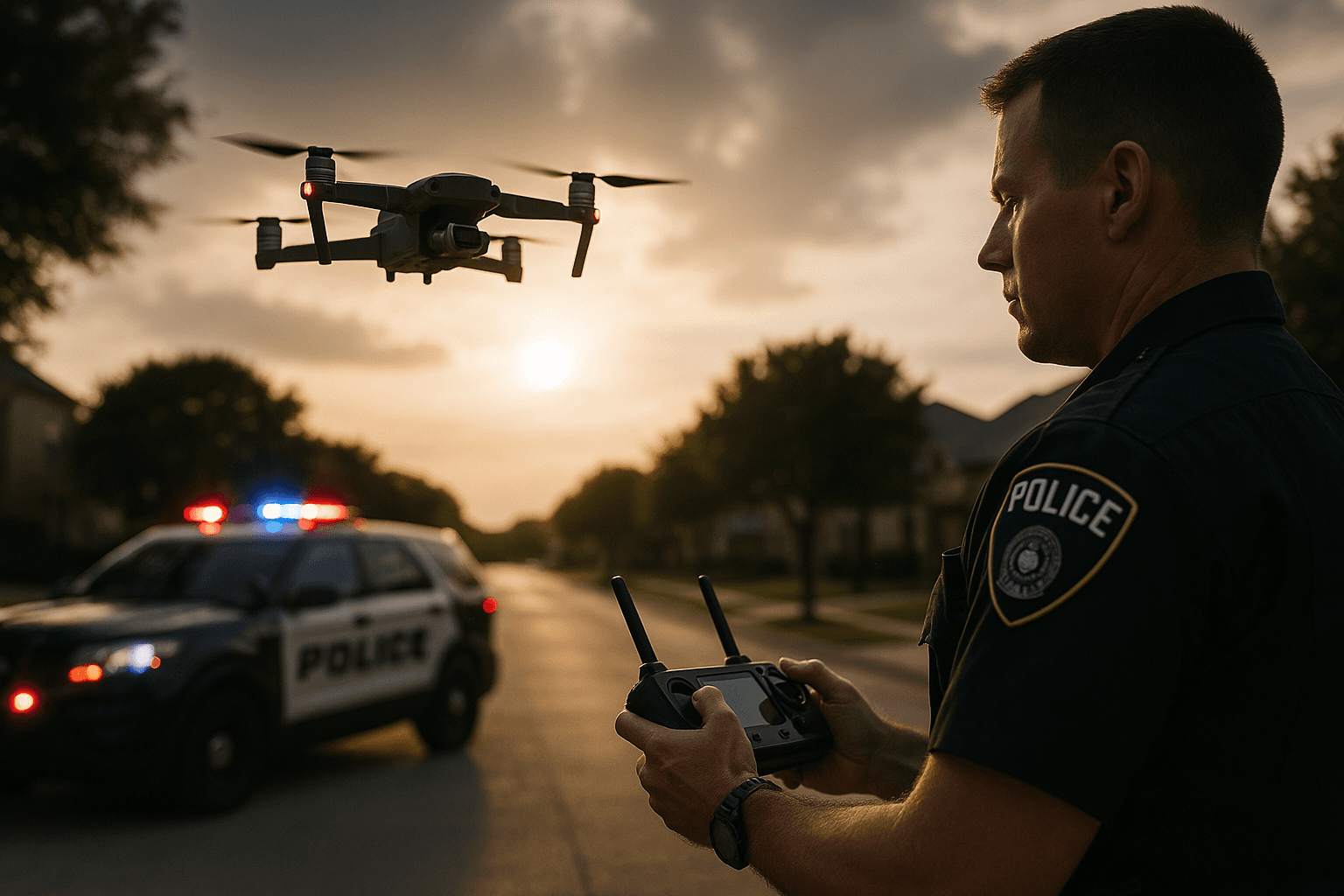
Local officials now face choices about policy details that will determine how the technology is used. Key decisions include who can authorize a launch, whether cameras must remain off while drones travel to incidents, how long footage is retained, and who may request or access recordings. Those decisions intersect with state and federal privacy and public records laws, and will shape whether the technology is seen as a public safety tool or a new layer of surveillance.
Community input and oversight will be decisive. Residents should press for clear operating procedures, public release of retention schedules and independent review of program compliance. As Drone as First Responder programs spread, transparent rules and operator training will determine whether the technology improves emergency outcomes while safeguarding privacy and public trust.
Sources:
Know something we missed? Have a correction or additional information?
Submit a Tip