Gallia-Vinton ESC held organizational meeting at University of Rio Grande
The Gallia-Vinton Educational Service Center board met Jan. 13 to start its 2026 agenda, affecting regional schooling coordination and services for local districts. Residents can seek meeting details by phone.
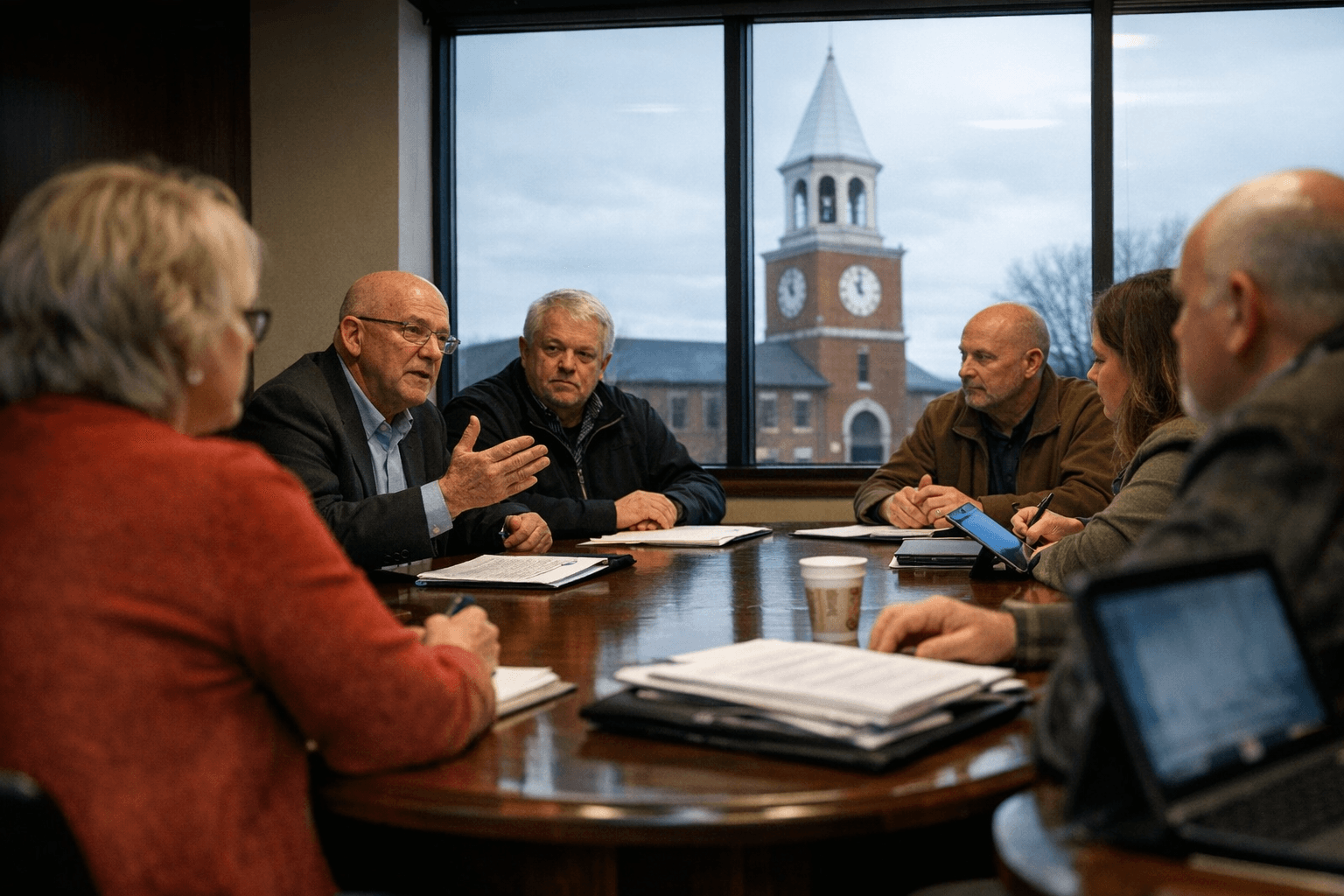
The Gallia-Vinton Educational Service Center Governing Board convened Tuesday evening for its 2026 organizational and regular monthly meeting, a key early step in setting priorities for education coordination across Gallia and Vinton counties. The meeting took place Jan. 13 at 5 p.m. in Room 131 of Wood Hall at the University of Rio Grande.
The meeting format combined the organizational tasks that establish board roles and the regular monthly business that addresses ongoing regional services. Educational service centers like Gallia-Vinton typically oversee shared programs that include professional development, special education support, curriculum coordination, and administrative services that affect how local districts allocate staff and dollars. For local superintendents and treasurers, early-year board decisions help shape budgets and operational plans for the calendar year.
Attendance is generally drawn from board members, district administrators, educators, and members of the public who follow regional governance. The center encouraged those seeking additional information to call 740-245-0593. Holding the meeting on a college campus underlines the physical and institutional proximity between K-12 leaders and higher education, a connection that can influence teacher preparation, career pathways, and local workforce development over time.
For Vinton County residents, board actions matter because the ESC’s coordination can deliver economies of scale for specialized services. When districts pool resources through an ESC, they can reduce per-district costs for services that would be expensive to run individually, such as speech therapy, special education staffing, or advanced professional learning. Those efficiencies feed into district budget choices that ultimately affect local tax levies and classroom resources.
Beyond immediate program administration, the organizational meeting sets the stage for policy priorities that the board will pursue during 2026. Decisions about service delivery models, staff deployment, and partnerships can have multi-year effects on staffing stability and student supports. Local educators and taxpayers watching district budgets should pay attention to subsequent ESC agendas and how those items translate into district-level spending.
The takeaway? If you have a stake in local schools — as a teacher, administrator, parent, or taxpayer — make the ESC part of your radar. Call 740-245-0593 for meeting agendas or attendance details, and consider attending future sessions to hear how regional decisions will shape classroom services and local school budgets this year. Our two cents? Showing up at these meetings is a practical way to keep a close eye on how shared services are managed and how your tax dollars are being coordinated across county lines.
Sources:
Know something we missed? Have a correction or additional information?
Submit a Tip