Gallup 9th Street Flea Market Fuels McKinley County Economy
The Gallup 9th Street Flea Market is a long running economic and cultural hub that routinely hosts hundreds of vendors and draws thousands of visitors on market days, mainly Fridays and Saturdays. Its mix of Native American arts, food, livestock and household goods supports artisans and hospitality businesses across McKinley County, shaping local incomes and cultural continuity.
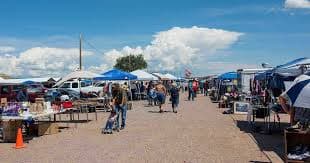
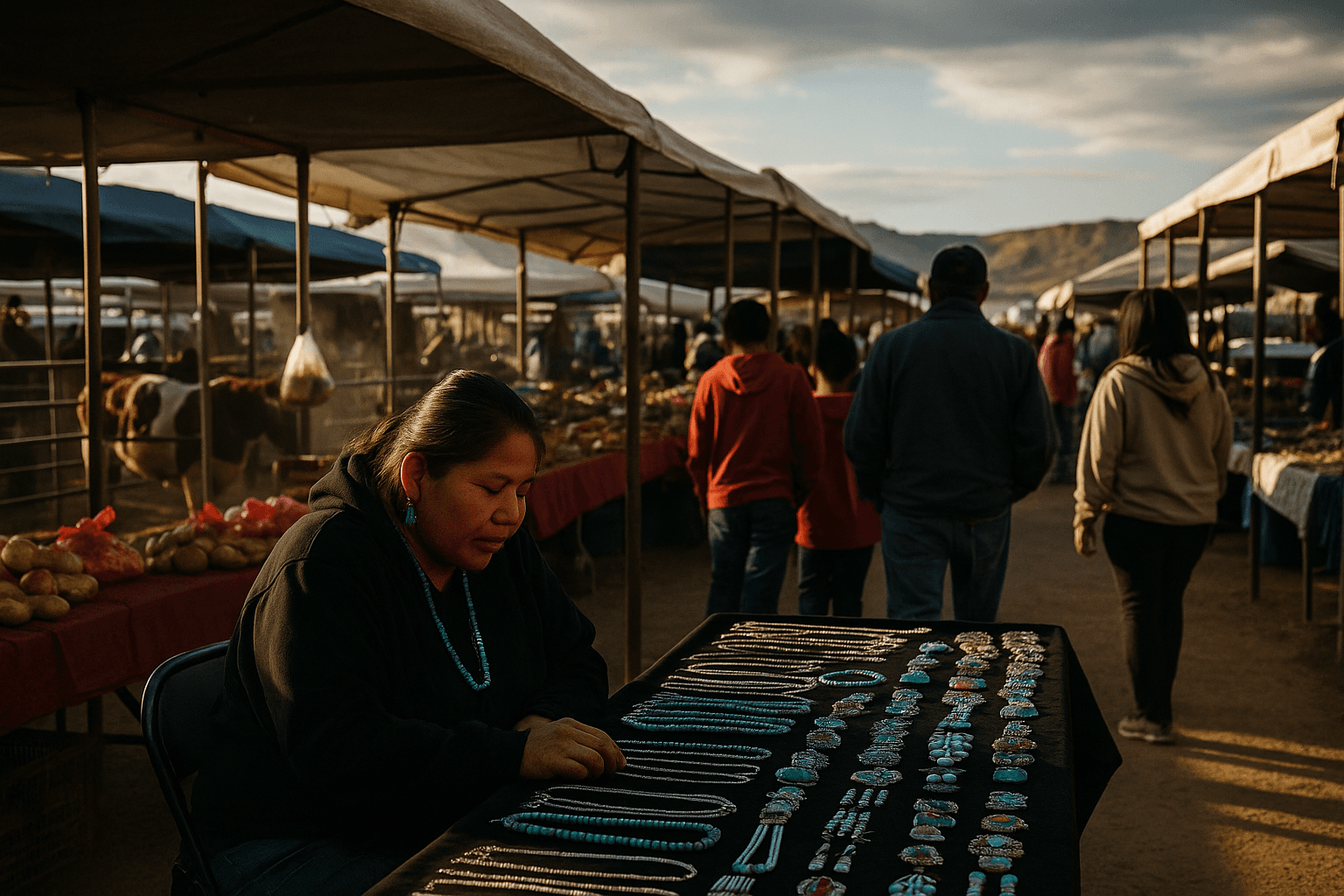
The Gallup 9th Street Flea Market remains one of the largest Native American markets in the United States, operating on 9th Street in Gallup and typically open to the public on Fridays and Saturdays. On market days the site routinely hosts hundreds of vendors offering Native American arts and crafts, jewelry, textiles, pottery, food, livestock and household goods, and it draws thousands of visitors from across the Four Corners region and beyond. That visitor traffic translates into direct sales for traders and a steady stream of customers for nearby restaurants, lodging and gas stations across McKinley County.
The economic footprint of the market is both immediate and structural. For many families market income is earned income that helps cover household needs while sustaining craft traditions that have been passed down across generations. Local artisans and contemporary makers use the market as a primary sales channel, and the concentration of vendors creates visible price competition and product variety that attract repeat buyers. The market also underpins intertribal trade networks, linking producers from multiple nations and fostering the circulation of materials and designs across the region.
From a policy perspective the market highlights several priorities for local leaders. Maintaining safe and accessible infrastructure on 9th Street matters for traffic flow and for supporting several thousand weekly visitors during peak season. Vendor licensing, sanitation services and market promotion have direct effects on small business performance and on McKinley County tax receipts tied to hospitality activity. Investments in vendor training, point of sale technology and e commerce support could increase earnings and broaden market reach, especially during slower seasonal periods.
Long term trends favor a resilient role for the flea market while presenting challenges. Increased tourism interest in authentic Native American arts offers revenue upside, but rising costs for materials and transportation place pressure on margins for small artisans. Preserving the market as both an economic asset and a cultural commons will require collaboration between traders, tribal leaders and county officials to balance commerce, cultural integrity and infrastructure needs. For Gallup and McKinley County the 9th Street market remains a central engine of local livelihoods and a living repository of Indigenous craft knowledge.