Gallup Attractions Drive Local Economy, Culture and Civic Responsibility
Gallup’s Route 66 district, 9th Street Flea Market, Red Rock Park, and local galleries are active engines of culture and commerce for McKinley County, drawing visitors and supporting artists and vendors. The vitality of these sites highlights policy questions about park operations, vendor regulation, and coordination with tribal authorities that will affect local livelihoods and civic oversight.
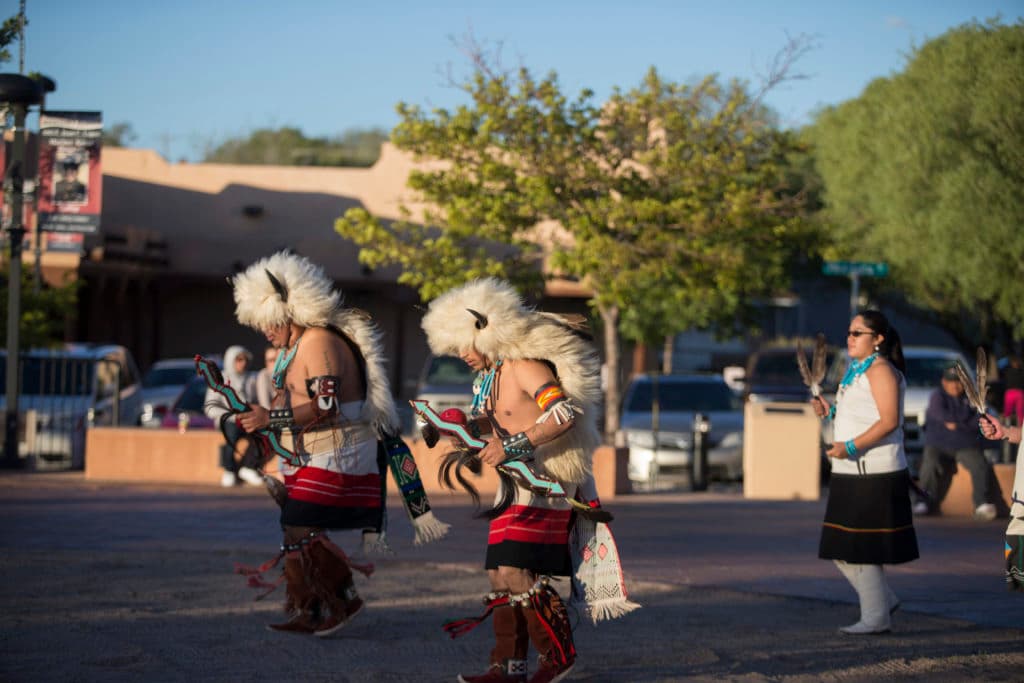
Visitors and residents continue to converge on Gallup’s downtown Route 66 district and Coal Avenue murals, where public art celebrates Indigenous cultures and the city’s highway heritage. That cultural visibility feeds foot traffic for nearby businesses, supports seasonal art markets at gallupARTS and ART123 Gallery, and helps sustain a broad network of artists who rely on exhibitions and markets for income.
One major economic node is the 9th Street Flea Market, a long-established Native American trading hub where handmade jewelry, rugs, and crafts are sold directly by vendors. The market’s vendor-driven character contributes to household earnings for many families across McKinley County, but it also raises practical and policy questions for city and county officials about permitting, vendor infrastructure, sanitation, and public safety. How those questions are resolved affects both the market’s viability and the community’s ability to capture benefits from tourism.
Red Rock Park, located east of town, provides trails and open space for picnics, recreation, and events. Park operations and fees evolve with municipal decisions; residents should check city updates before visiting. Decisions about maintenance funding, fee structures, and programming shape who uses the park and how often, so municipal budget priorities and public engagement in city budgeting have direct consequences for access to outdoor recreation.
Nearby Zuni Pueblo offers cultural tours and galleries operated under tribal authority. Visitors are expected to follow tribal visitor guidance and cultural protocols, reflecting tribal sovereignty over tourism and cultural preservation. Many artists and galleries in Zuni sell work directly to visitors, reinforcing a cross-jurisdictional economy that depends on respectful engagement and clear communication between tribal, city, and county institutions.
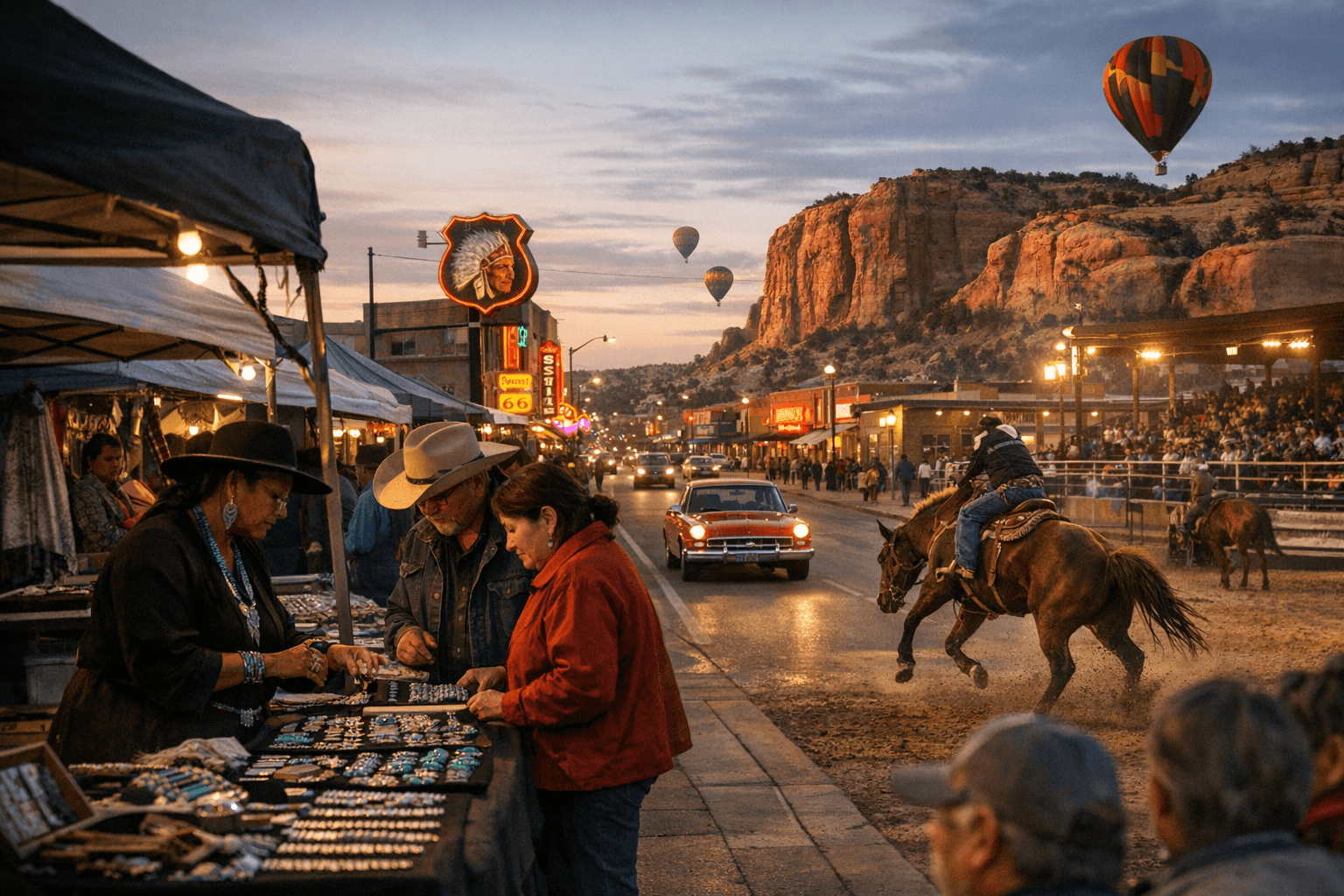
For McKinley County, the mix of outdoor attractions, vendor-run markets, and institutional cultural programs points to several governance priorities: ensuring transparent decision making on park fees and vendor regulations, investing in infrastructure that supports safe and sustainable tourism, and coordinating with tribal governments to respect cultural protocols while supporting economic opportunity. Civic engagement matters; local elections and public meetings determine budgets and regulations that shape these assets. Residents who attend city council and county commission meetings can influence policies that affect vendors, artists, and park users.
Practically, many attractions are outdoors or vendor-run and operate on seasonal schedules. Check seasonal hours and event calendars, bring water and sun protection for outdoor visits, and prioritize buying from local artists and businesses to circulate tourism dollars locally. As Gallup and McKinley County balance cultural preservation with economic growth, sustained public oversight and inclusive policymaking will be essential to ensure these assets benefit the community broadly.
Know something we missed? Have a correction or additional information?
Submit a Tip