Gallup Leadership Sets Public Safety, Housing, Infrastructure Priorities
Gallup's incoming mayor and a newly elected city councilor outlined a set of short-term and longer-term priorities ahead of their swearing-in ceremonies, centering on public safety, housing and infrastructure. Their plans signal an early push for community engagement, grant-seeking and partnerships to address chronic issues such as vacant properties, homelessness and municipal services.

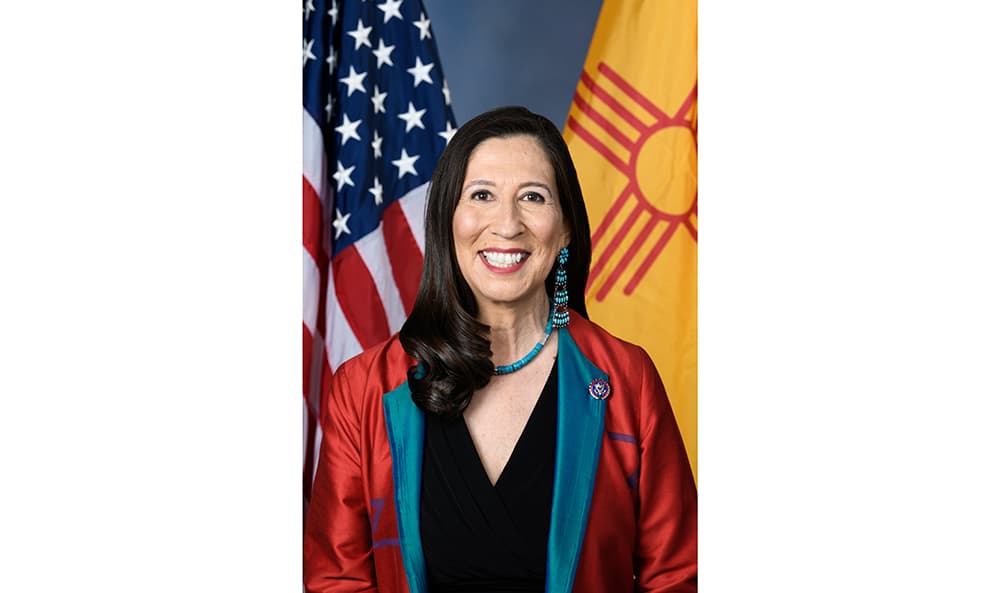
Gallup began 2026 with a transition in city leadership as Mayor Marc DePauli and new District 2 Councilor Sierra Asamoa-Tutu prepared to assume office. DePauli stepped down as owner of DePauli Engineering and Surveying on Dec. 31 and sold the company to its employees so he can focus full-time on city business. Both leaders spoke with city council members in recent interviews ahead of swearing-in ceremonies scheduled for early January.
DePauli identified public safety and neighborhood stability as immediate priorities. In his first 90 days he plans to relaunch Crime Stoppers in Gallup, encourage neighborhood watches and lead a city-directed beautification effort that will include cleanup work, tree trimming and targeting dilapidated properties. He also wants to address housing by assessing abandoned properties that could be rehabilitated by organizations to expand available units.
New Councilor Sierra Asamoa-Tutu, a clinical social worker, said her initial focus will be on getting up to speed with city processes and staff while prioritizing housing across the continuum, from emergency shelter and transitional options to adequate rental housing. She intends to convene neighborhood meetings quickly to build local connections and gather community input.
Councilor Ron Molina, entering his first full term in District 4, emphasized the interconnection of jobs, housing and public safety, arguing that employment opportunities and stable housing are central to reducing drug activity and crime. Councilors Sarah Piano of District 3 and Linda Garcia of District 1 highlighted infrastructure improvements, aggressive grant-seeking to fund projects, advancing work on the new senior center and strengthening operations at the humane society now managed by the city.
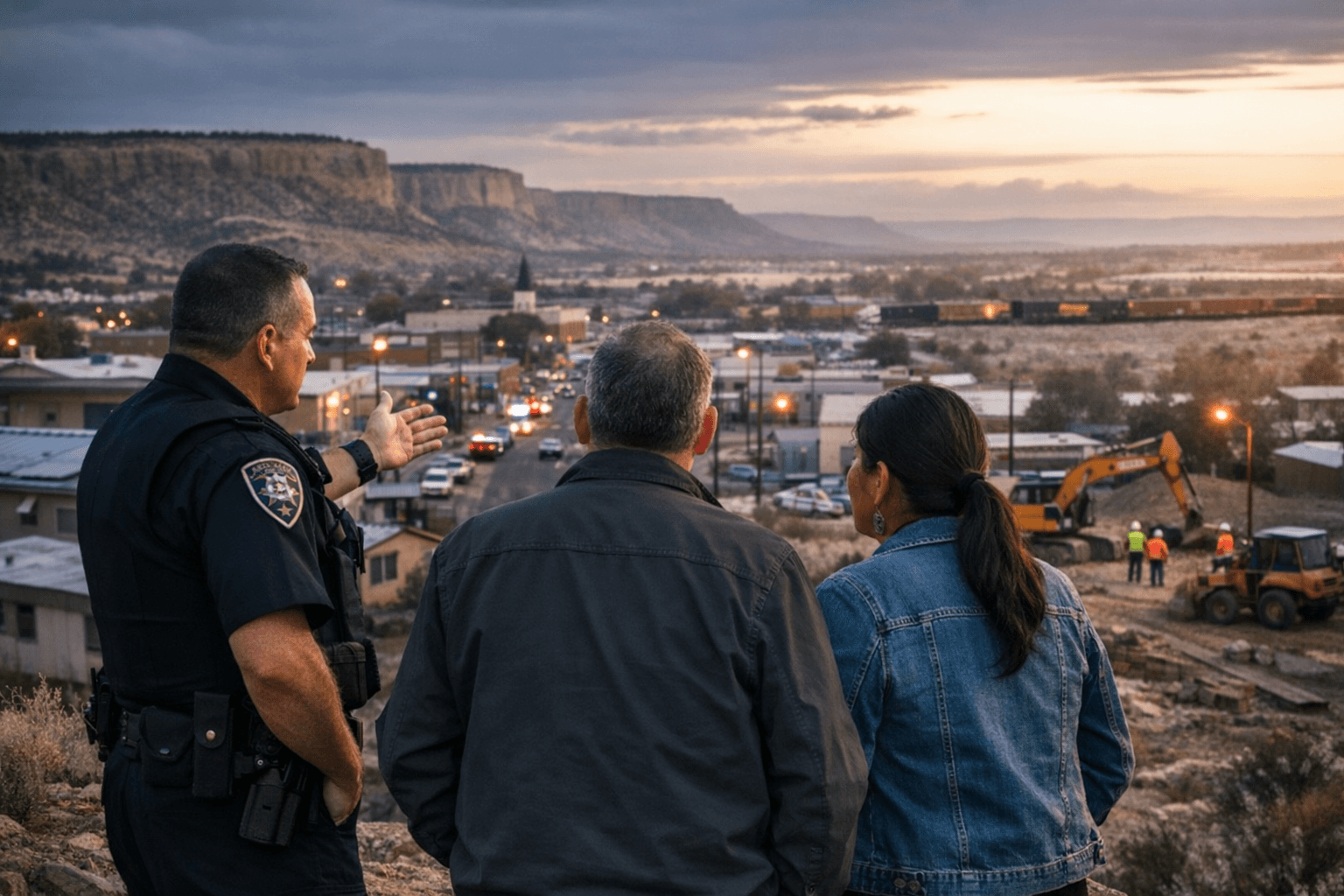
The incoming agenda points to several institutional and policy implications for McKinley County residents. Relaunching Crime Stoppers and promoting neighborhood watches will require sustained community participation and likely modest budget allocations for coordination and publicity. Rehabilitation of abandoned properties typically involves partnerships between the city, nonprofit developers and possible state or federal funding, creating an early demand for grant-writing and intergovernmental coordination. The humane society's transfer to city control shifts responsibility for animal welfare operations and budget oversight to municipal authorities, with potential service and staffing adjustments to follow.
For residents, the administration's emphasis on neighborhood meetings and community-led beautification offers direct avenues for civic engagement and input as priorities move from planning to implementation. City decisions in the coming months on grant applications, property rehabilitation plans and public-safety programs will shape service levels and resource allocation for the year ahead.
Sources:
Know something we missed? Have a correction or additional information?
Submit a Tip