Gatesville ranch breeds rare pygmy hippos, advances local conservation effort
Dragonstone Ranch in Gatesville announced the successful breeding of endangered pygmy hippos on December 7, 2025, increasing the ranch's role as a local conservation and education center. The development matters to Coryell County because the ranch plans a nonprofit to expand research partnerships, school programming and visitor engagement that could bring both scientific resources and modest economic activity to the community.
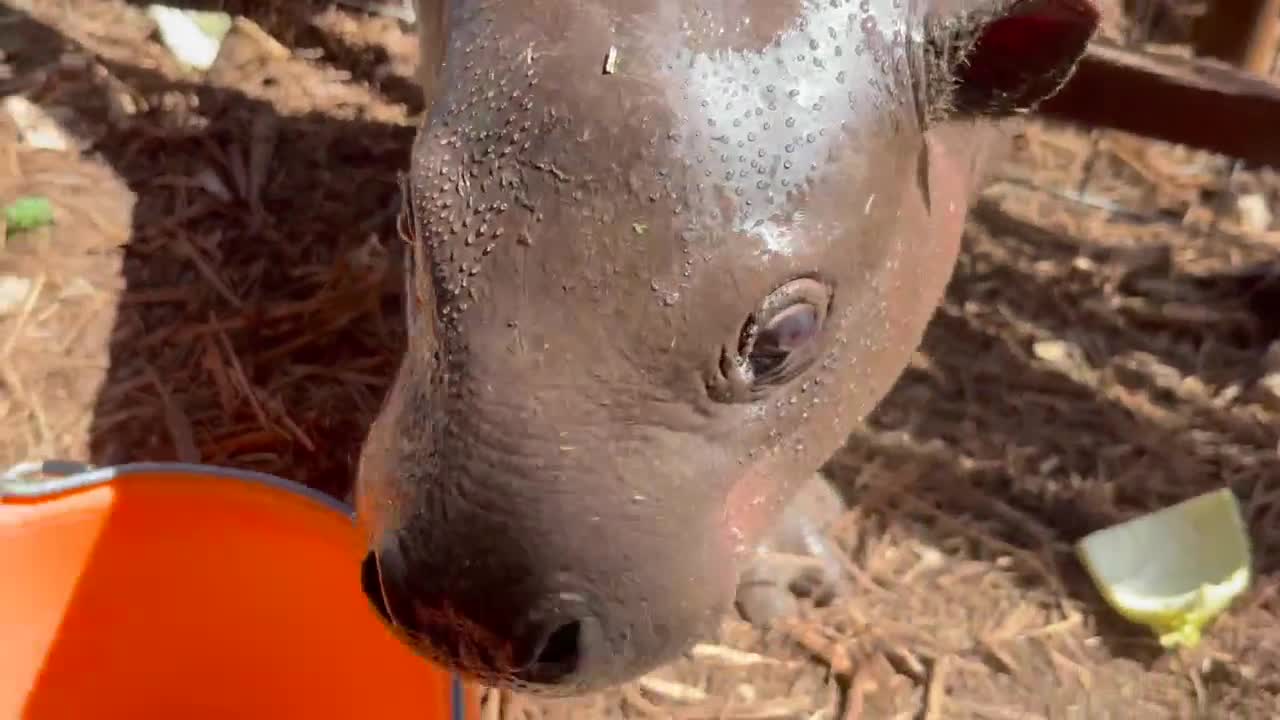
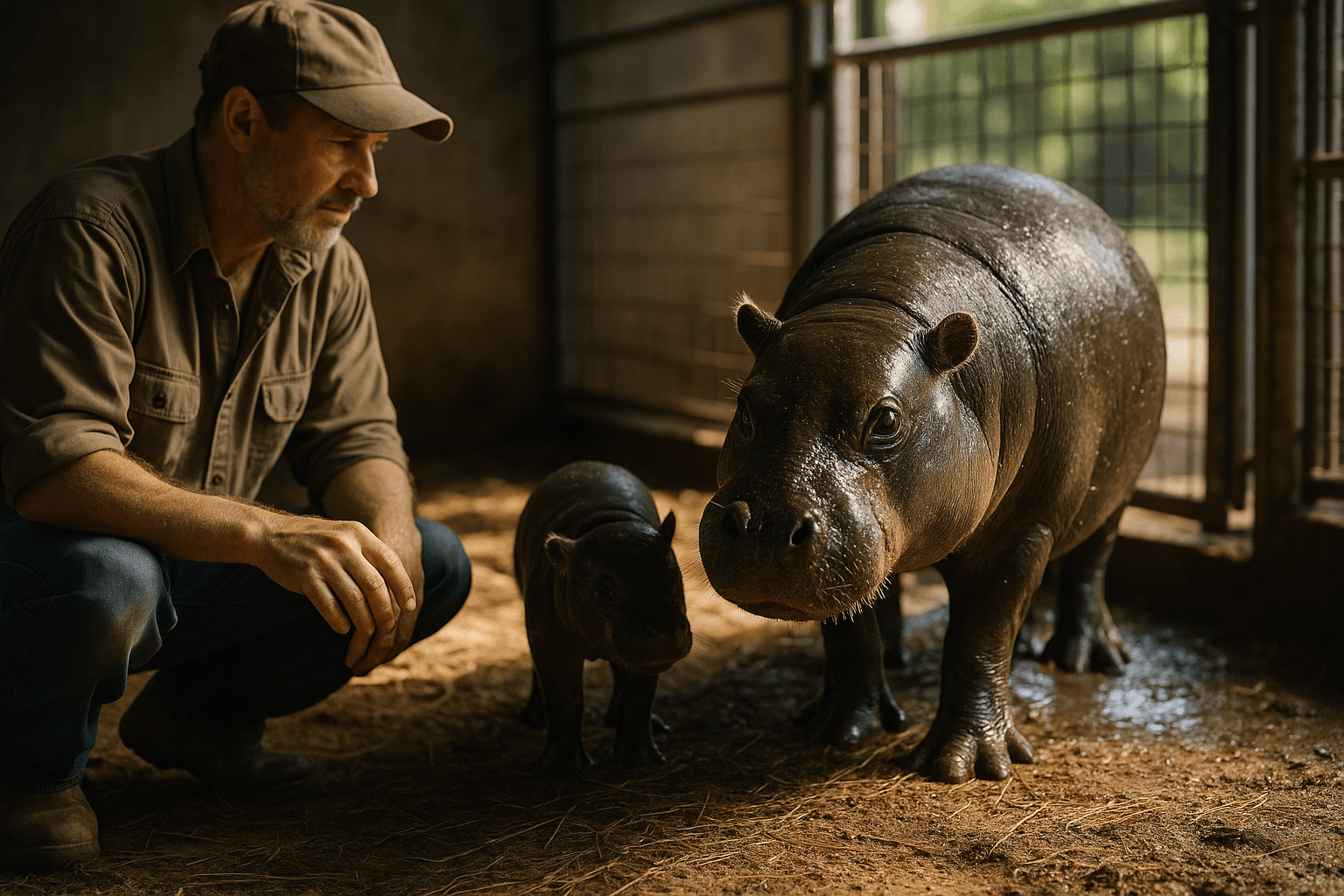
Dragonstone Ranch reported a successful birth of endangered pygmy hippos on December 7, 2025, a conservation milestone for a species estimated at only 2,000 to 3,000 individuals remaining in the wild. Owners Monty and Mimi Roach said the ranch now cares for and protects a growing number of these animals alongside a broader collection that includes lemurs, giraffes and Grévy's zebras. The birth marks a local contribution to a global effort to shore up a species threatened chiefly by habitat loss.
The immediate significance for Coryell County is twofold. First, the ranch will expand its role as an educational resource for schools and the public by developing programming around the new animals. Second, the Roaches are forming a nonprofit to support research, education and partnerships with universities and schools, which could attract grant funding and formal collaborations that lift both scientific capacity and local visibility. Those activities have potential to generate modest tourism traffic, classroom visits and volunteer opportunities that translate into direct spending at nearby businesses and seasonal employment at the ranch.
From a conservation standpoint, successful captive breeding contributes to ex situ strategies that complement habitat protection in West African range countries where pygmy hippos live. With only a few thousand left in the wild, each breeding event adds to a scientifically managed population that can support research into genetics, husbandry and potential reintroduction scenarios. The Roaches emphasized partnerships with academic institutions and school systems as central to translating on site care into measurable research outputs and student learning experiences.
Policy implications stem from the interplay of private conservation and public habitat protection. Local nonprofits and university partnerships can help secure grants and technical expertise, but long term species recovery also depends on broader habitat preservation and international cooperation. For residents of Coryell County, Dragonstone Ranch offers a nearby place to learn about global biodiversity trends, to participate in conservation activities and to benefit from the small scale economic spillovers that follow increased visitation and educational outreach.