Georgetown Community Garden opens at Historic Hopper Academy in Sanford
Sanford opened the Georgetown Community Garden at Historic Hopper Academy, creating accessible green space and neighborhood revitalization. The project supports wellness, sustainability and community connection.
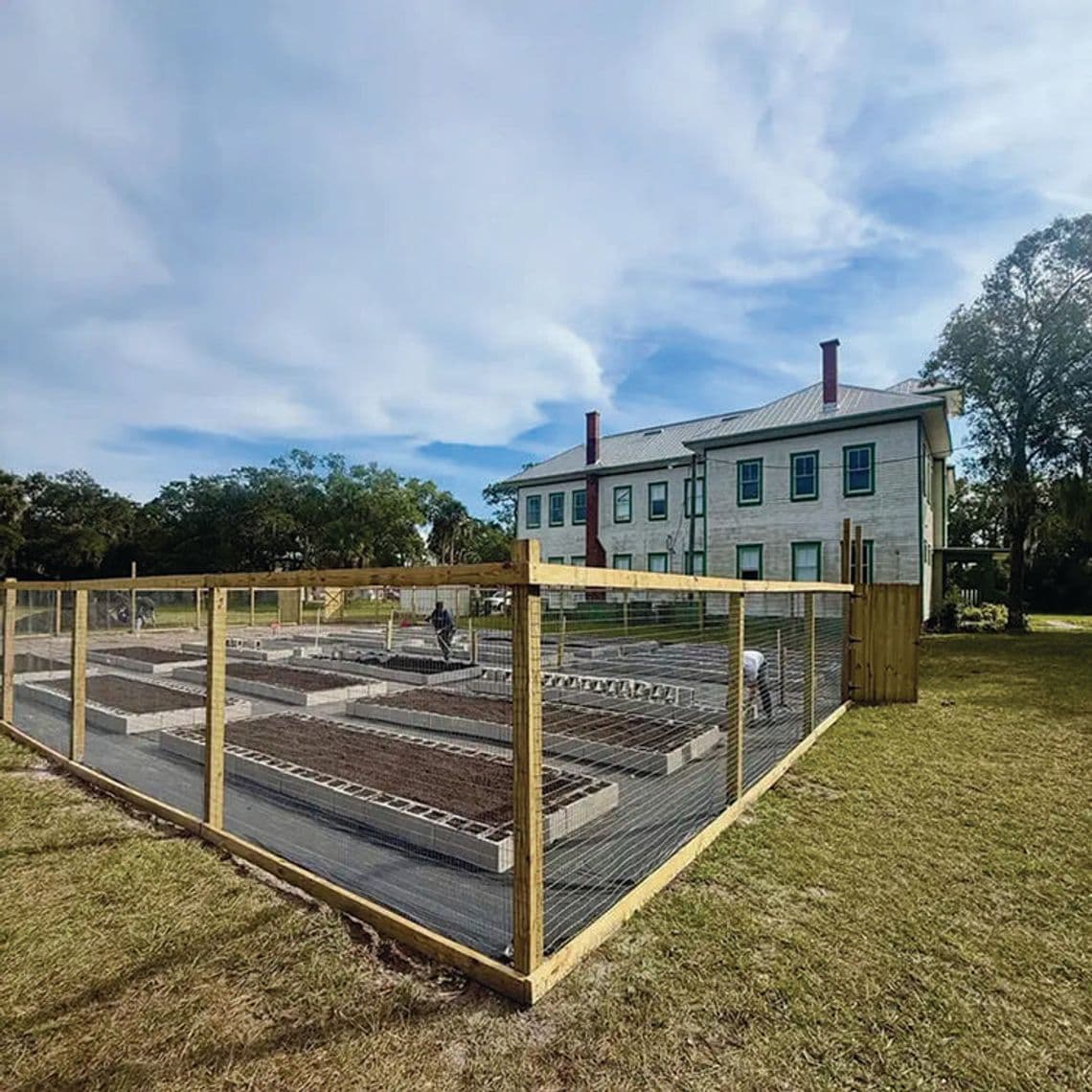
Community leaders and neighbors gathered Jan. 12, 2026, as the Georgetown Community Garden officially opened on the grounds of Historic Hopper Academy, 1101 S. Pine Ave. The garden converts underused space at the historic site into raised beds and shared-tool areas designed to serve residents of all ages and abilities, while linking neighborhood revitalization to preservation of local history.
The project is a partnership of the Sanford Cultural Guild, Historic Hopper Academy and the City of Sanford’s Community Development Block Grant Neighborhood Revitalization Program, which provided funding and program support. Organizers framed the garden as a multifunctional investment in public health, sustainability and social ties for the Georgetown neighborhood, and municipal leaders publicly supported the effort. Future phases outlined by organizers include alleyway beautification, pollinator gardens and greater prominence for native plantings.
At its most immediate level, the garden expands community access to fresh produce and outdoor activity within walking distance of nearby homes. Raised beds and shared tools aim to reduce barriers for seniors, people with mobility challenges and first-time gardeners, allowing a broader cross section of the neighborhood to participate. Locating the garden at Hopper Academy situates new green infrastructure within a site of cultural and historical significance, tying environmental improvements to efforts to honor local heritage.
Policy and institutional implications are clear for Seminole County and Sanford officials. The use of the city’s Community Development Block Grant Neighborhood Revitalization Program to fund small-scale, community-driven green spaces reflects a municipal approach that channels federal dollars into quality-of-life and placemaking projects. For local elected officials and neighborhood groups, the garden provides a model for how targeted CDBG investments can serve multiple goals: improving public health, strengthening social capital and supporting historic preservation in lower-income blocks where small investments can have outsized effects.
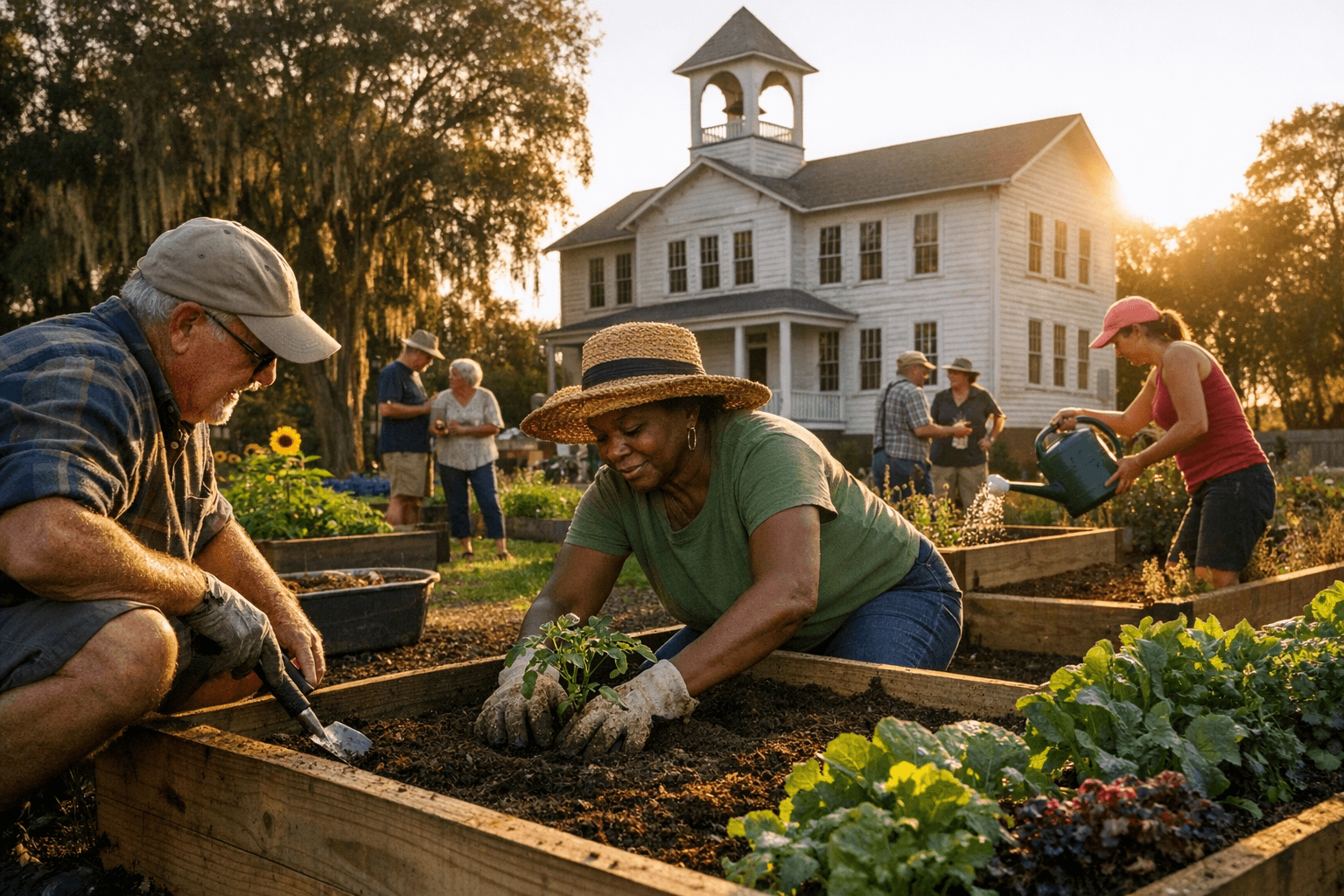
For residents, the garden is also a civic touchpoint. Community gardens frequently function as sites of volunteerism, informal governance and neighborhood meetings; that dynamic can increase resident engagement with city planning processes and CDBG budgeting decisions. The planned alleyway and pollinator work signals an intent to extend beautification beyond a single lot, offering measurable outcomes residents can track between municipal budget cycles and local elections.
The takeaway? This new garden is more than a patch of soil; it is civic infrastructure. If you live nearby, consider visiting Hopper Academy to see the beds, attending the next neighborhood meeting, or volunteering time to help plant native species—small acts that feed both food security and local democracy. Our two cents? Treat the garden as a neighborhood commons and a lever for getting more voices into decisions about how Sanford spends revitalization funds.
Sources:
Know something we missed? Have a correction or additional information?
Submit a Tip