Goa orders inquiry, compensation after nightclub blaze kills 25
Authorities in the Indian state of Goa have ordered a magisterial inquiry and announced compensation after a deadly fire tore through a popular nightclub, killing 25 people. The incident raises urgent questions about safety oversight in one of India’s busiest tourist destinations, with implications for foreign visitors and local livelihoods.
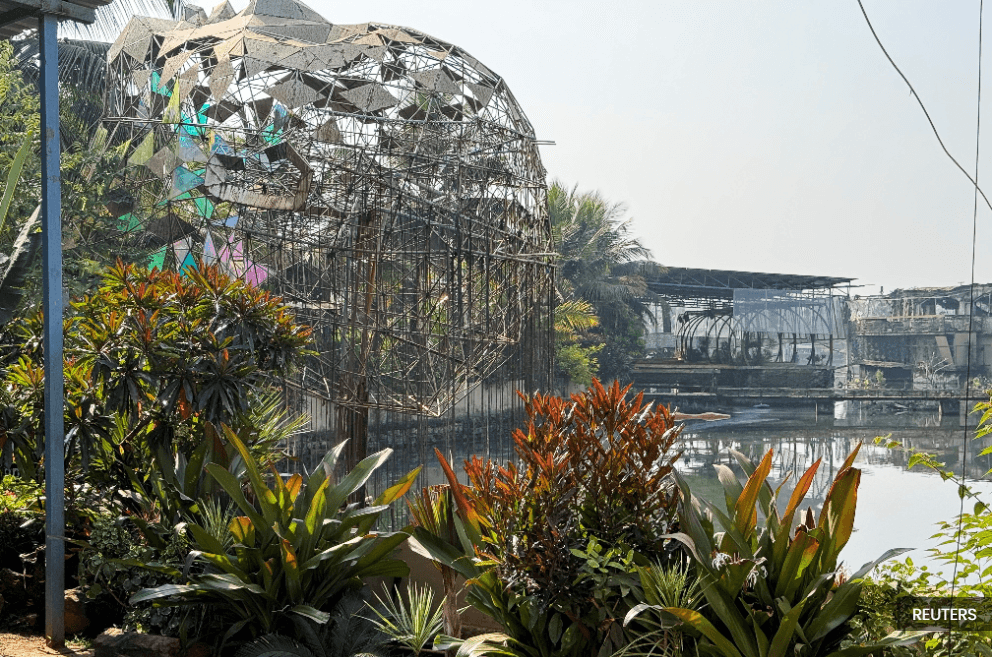
Indian authorities have ordered a magisterial inquiry and announced compensation after a fire ripped through a nightclub in the western state of Goa, killing 25 people and leaving several others wounded. The blaze that engulfed the Birch by Romeo Lane club in the village of Arpora was reported to police at 12:04 a.m., and emergency crews worked through the night to bring the flames under control.
Goa Chief Minister Pramod Sawant posted on the social media platform X that, "I have ordered a magisterial inquiry into the entire incident to identify the cause and fix responsibility." He said six injured people were in stable condition and receiving medical care. Prime Minister Narendra Modi said he had spoken to the chief minister and offered condolences to the bereaved families, and his office posted that compensation of up to 200,000 rupees to each family of the victims and 50,000 rupees to the injured would be provided.
Authorities and local officials have not yet identified a definitive cause. Police told the ANI news agency that at least four of the dead were tourists and 14 were club staff. Images circulating on local and social media showed firefighters dousing flames and ambulances lined up outside the venue, though those images could not be independently verified. Local officials reported that all bodies have been recovered.
The tragedy strikes at a sensitive time for Goa, the small coastal state that depends heavily on tourism. Government figures show about 5.5 million tourists visited Goa in the first half of the year, including some 271,000 from abroad. Nightlife around the coastal belts and in riverside villages has become a major draw for international visitors and for domestic travelers seeking the state’s beaches and landscapes. The deaths will likely prompt scrutiny of safety standards in entertainment venues, licensing practices and the enforcement of fire safety rules.
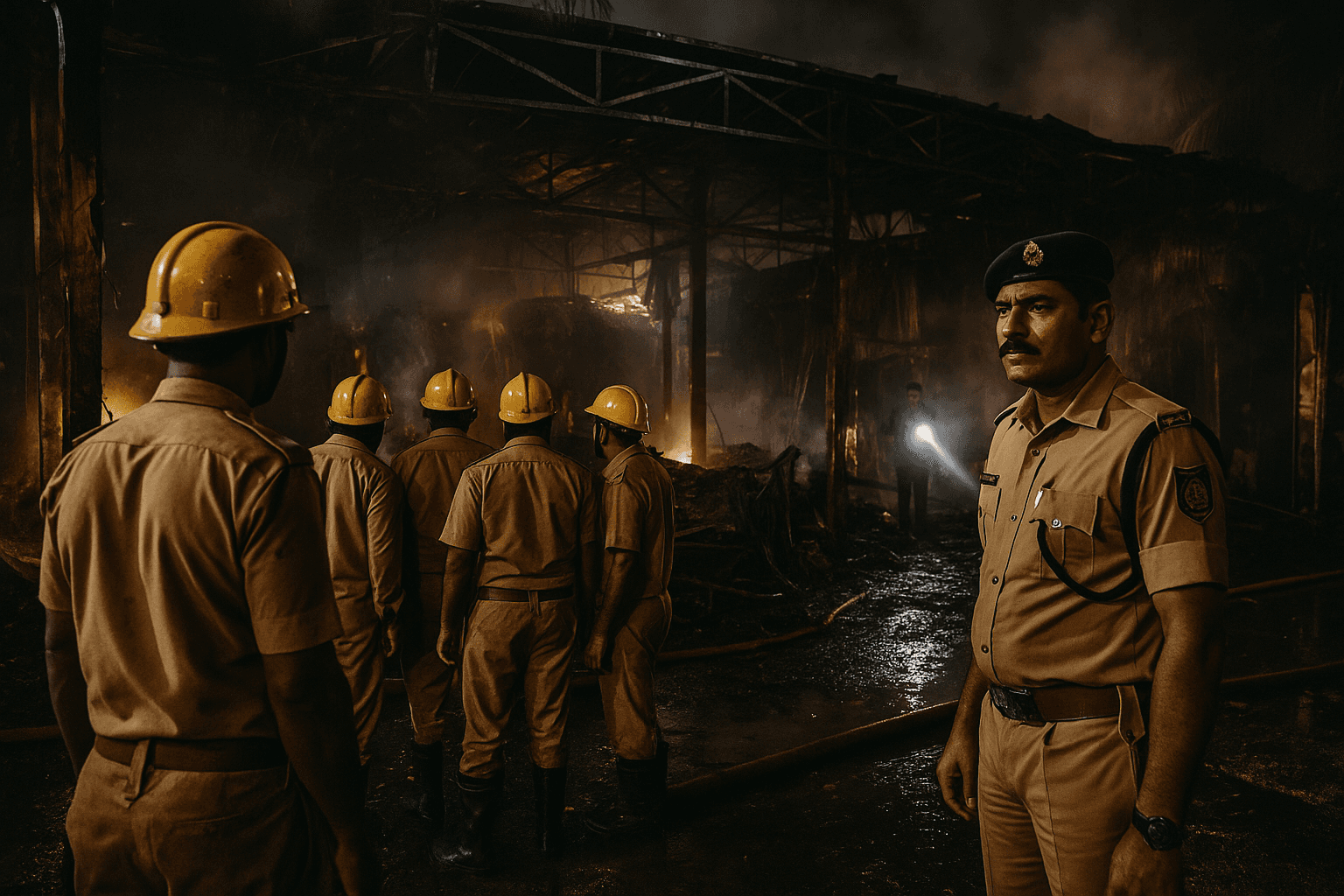
A magisterial inquiry is expected to examine building approvals, emergency exits, occupancy limits and the response time of emergency services. Those findings could shape legal consequences for club owners and local officials and may influence how the state regulates late night venues in future. Families of victims and injured patrons will also await clarity from the investigation on compensation and avenues for legal recourse.
The presence of foreign victims adds a diplomatic dimension. Consular authorities are likely to seek information and assistance for their nationals, and the incident may trigger questions about travel advisories and the responsibilities of host authorities to ensure visitor safety. For residents of Goa the human cost of the tragedy is immediate, while for the tourism sector the incident could have economic repercussions if potential visitors perceive heightened risk.
As investigators begin their work, officials face the dual task of delivering answers to grieving families and restoring confidence in public safety. The magisterial inquiry will be central to assigning responsibility and recommending reforms, and the speed and transparency of that process will determine whether the state can reassure both residents and the international travel community.