Golden mussels threaten Valley water infrastructure and farms
Golden mussels have invaded San Joaquin Valley waterways, threatening irrigation pipes and water deliveries that Fresno County farmers rely on.
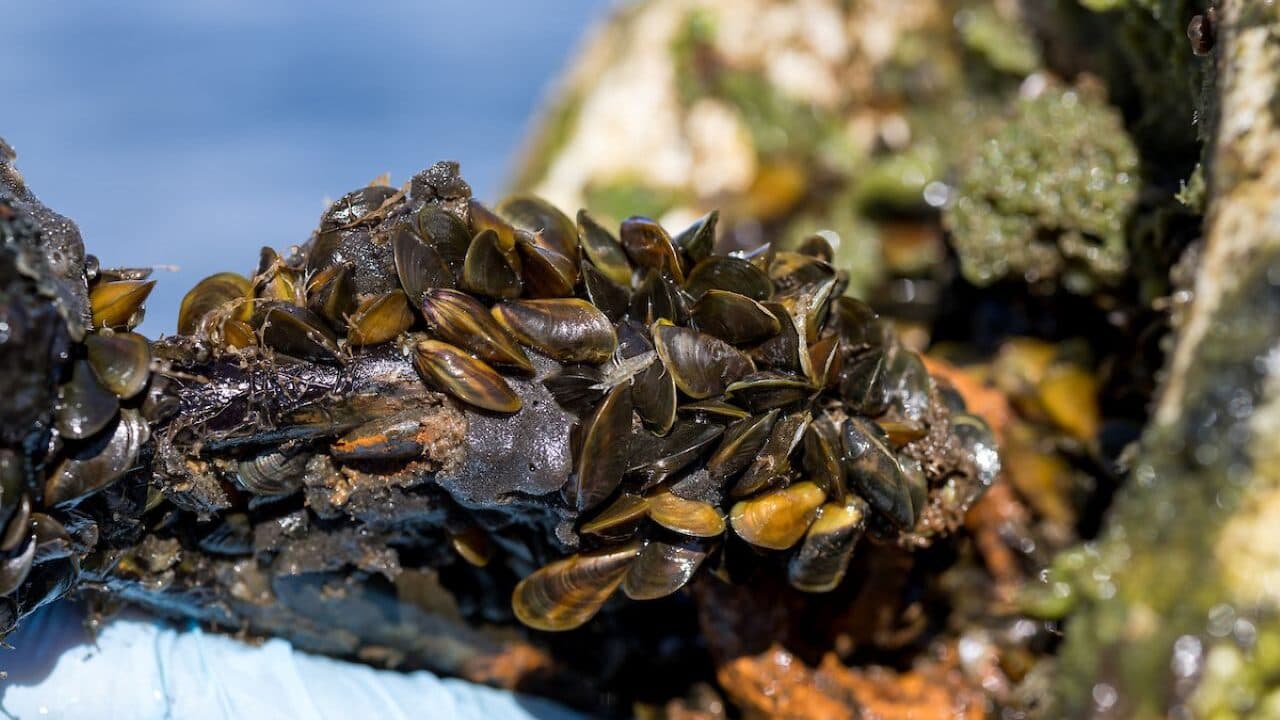
Tiny golden mussels are turning into a big test for San Joaquin Valley water managers and the farmers who depend on them. The invasive bivalve, first detected in North America in 2024, has shown an ability to clog pipes, irrigation infrastructure and equipment, creating immediate maintenance headaches and the prospect of higher costs and disrupted water deliveries for districts and agricultural users across the Valley.
Water officials have identified critical sites they are racing to protect, including Millerton Lake and the upper San Joaquin River watershed. Those reservoirs and tributaries feed the Friant system that helps deliver irrigation water to parts of Fresno County; if mussels establish in those storage or conveyance points, managers warn the consequences would extend throughout the system. For local growers, clogged turnouts, filters and pumps could mean reduced flows during irrigation season and added capital outlays to repair or retrofit equipment.
A range of control and mitigation technologies are under review. Physical options include conventional sand filtration and tighter micro-filtration. Nonchemical treatments being evaluated include ultraviolet radiation and ozone systems. Officials are also considering selective chemical treatments where feasible. While these tools may slow fouling in closed or managed systems, the expectation among water managers is that eradication in open water bodies is unlikely, making long-term surveillance and management the more realistic approach.
Local water agencies in the Valley have stepped up monitoring efforts, increased public outreach aimed at preventing recreational boats from transporting mussels between water bodies, and intensified coordination with state authorities to align response strategies. Those outreach efforts target anglers, boaters and irrigation districts with messages about inspecting and cleaning vessels and equipment before moving between lakes and canals. The goal is to avoid hitchhiking that could seed mussel populations in key reservoirs and conveyance channels.
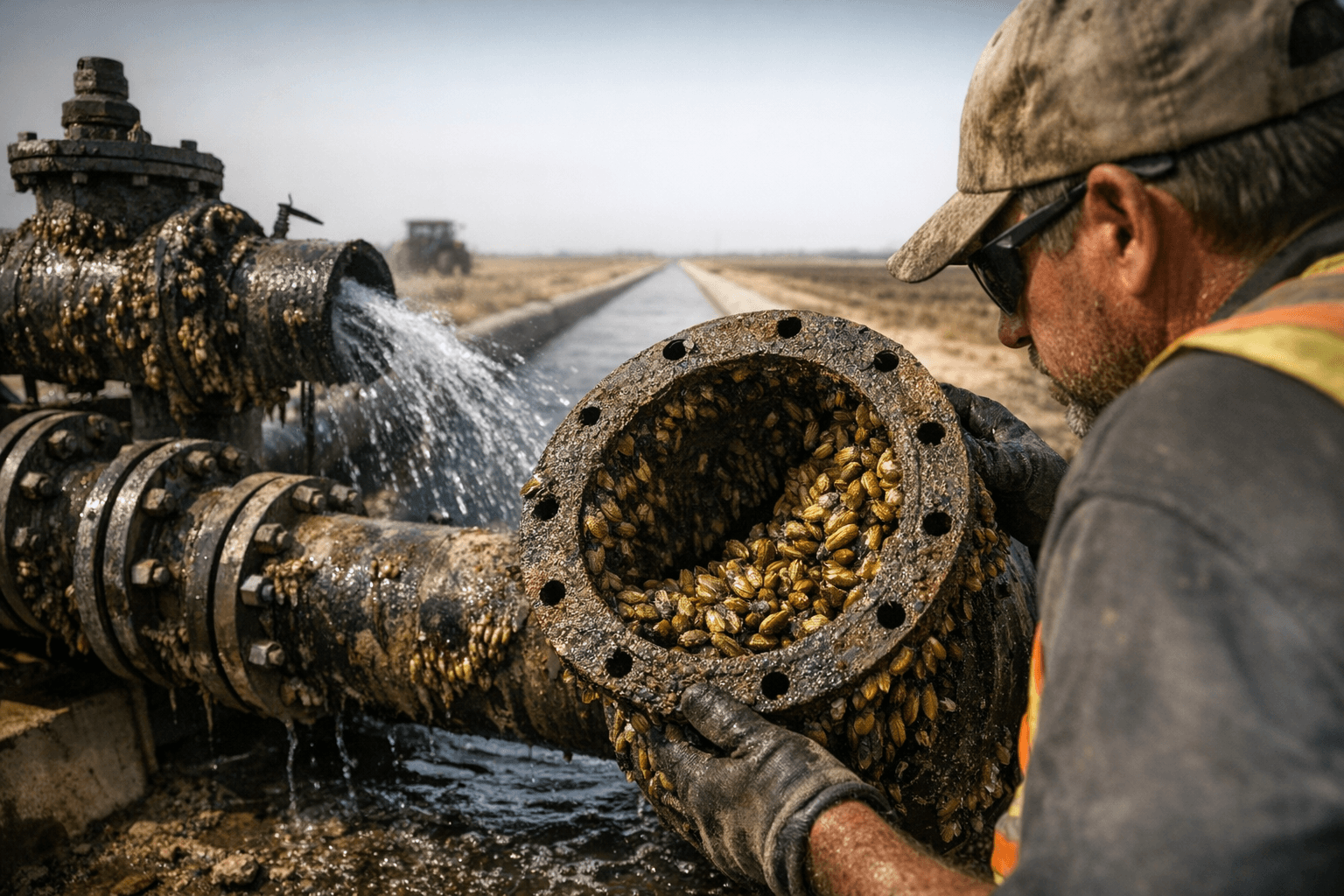
For Fresno County residents, the immediate impacts will be operational and financial. Districts may face higher treatment and maintenance costs, and those costs can translate into increased rates or assessments for farmers. Interruptions to routine deliveries could force growers to alter planting or irrigation schedules, affecting yields and local farm revenue.
The long view for regional water managers is a shift from eradication to resilience: more monitoring, contingency planning, and investment in infrastructure hardening. Our two cents? Boat owners and irrigators should follow clean-drain-dry practices, stay tuned to their local water district for alerts, and consider budgeting for contingency repairs. Being proactive now can help keep water flowing and prevent small mussels from muscling into bigger problems for Fresno County agriculture.
Sources:
Know something we missed? Have a correction or additional information?
Submit a Tip