Goochland LEPC Convenes on Lithium Ion Battery Safety, Community Risk
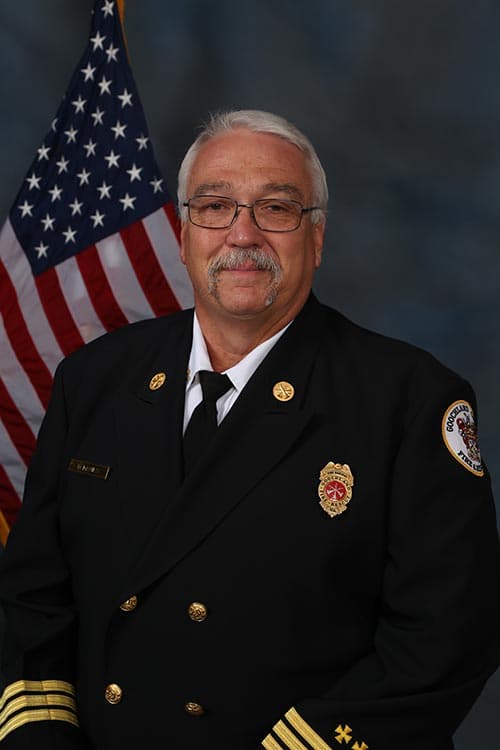
The Local Emergency Planning Committee met in December to review lithium ion battery safety, with Fire Marshal Doug Davies delivering the presentation. The session addressed risks to homes and first responders and signaled possible local steps on prevention, response, and public outreach.
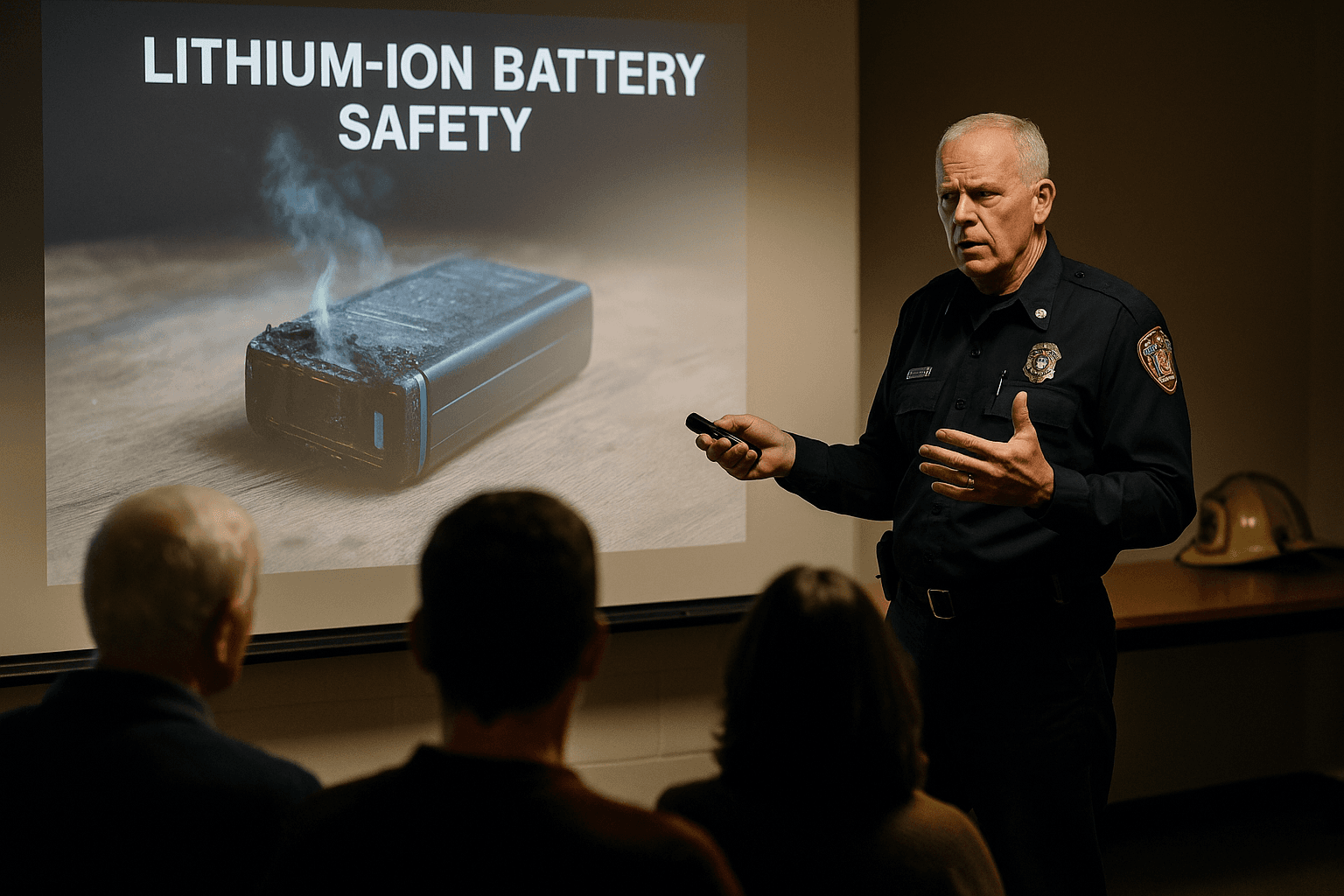
Goochland County officials convened the Local Emergency Planning Committee, or LEPC, in December for a focused review of lithium ion battery safety. The meeting, held December 11 at 3 30 p.m. in Board Meeting Room 250 at 1800 Sandy Hook Road, featured a presentation by Fire Marshal Doug Davies and drew attention to the growing fire risks tied to consumer and commercial battery use.
County materials listed the meeting on the official calendar, and the agenda identified lithium ion battery safety as the main topic. Fire department leadership used the session to outline common causes of battery related incidents, use and storage best practices, and challenges firefighters face when batteries reignite or are involved in structural fires. The LEPC format brought together emergency management, public safety, and local government officials to assess prevention and response needs.
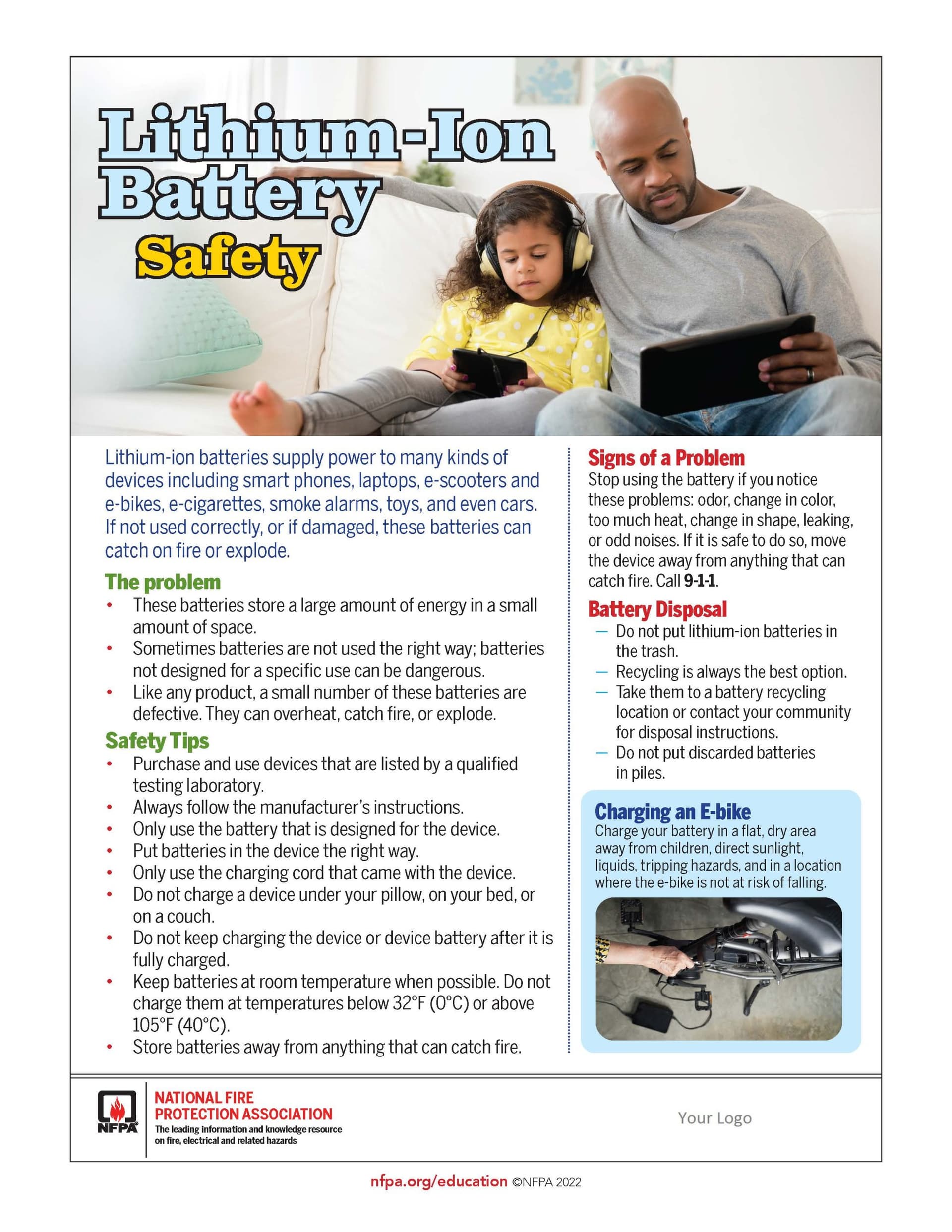
Lithium ion batteries power a wide range of devices used in homes and businesses including mobile phones, portable generators, electric bikes, power tools, and residential energy storage systems. Local officials emphasized that improper charging, damaged cells, and unsafe disposal can provoke thermal runaway events that threaten properties and complicate emergency response. The meeting highlighted the potential for such incidents to strain volunteer and career fire resources and underscored the need for targeted public education.
For residents the discussion is directly relevant. Simple measures such as following manufacturer charging guidelines, storing spare batteries in cool dry locations away from combustibles, replacing damaged units promptly, and using approved chargers can reduce household risk. The committee also discussed disposal and recycling options as part of preventing hazardous waste from entering the municipal solid waste stream.
Institutionally, the LEPC meeting served as a platform to consider whether county codes, emergency procedures, and outreach programs require updates to reflect increased battery use. The session indicated an appetite among officials to pursue coordinated training and public information campaigns to limit incidents and protect responders. Residents are advised to monitor county communications for any follow up actions or educational events stemming from the committee discussion.
Sources:
Know something we missed? Have a correction or additional information?
Submit a Tip