Goodwell museum preserves Panhandle history and supports community research
The No Man’s Land Historical Museum in Goodwell preserves Panhandle history and serves schools, researchers, and visitors. Its collections document pioneer life, Dust Bowl hardship, and agricultural heritage.
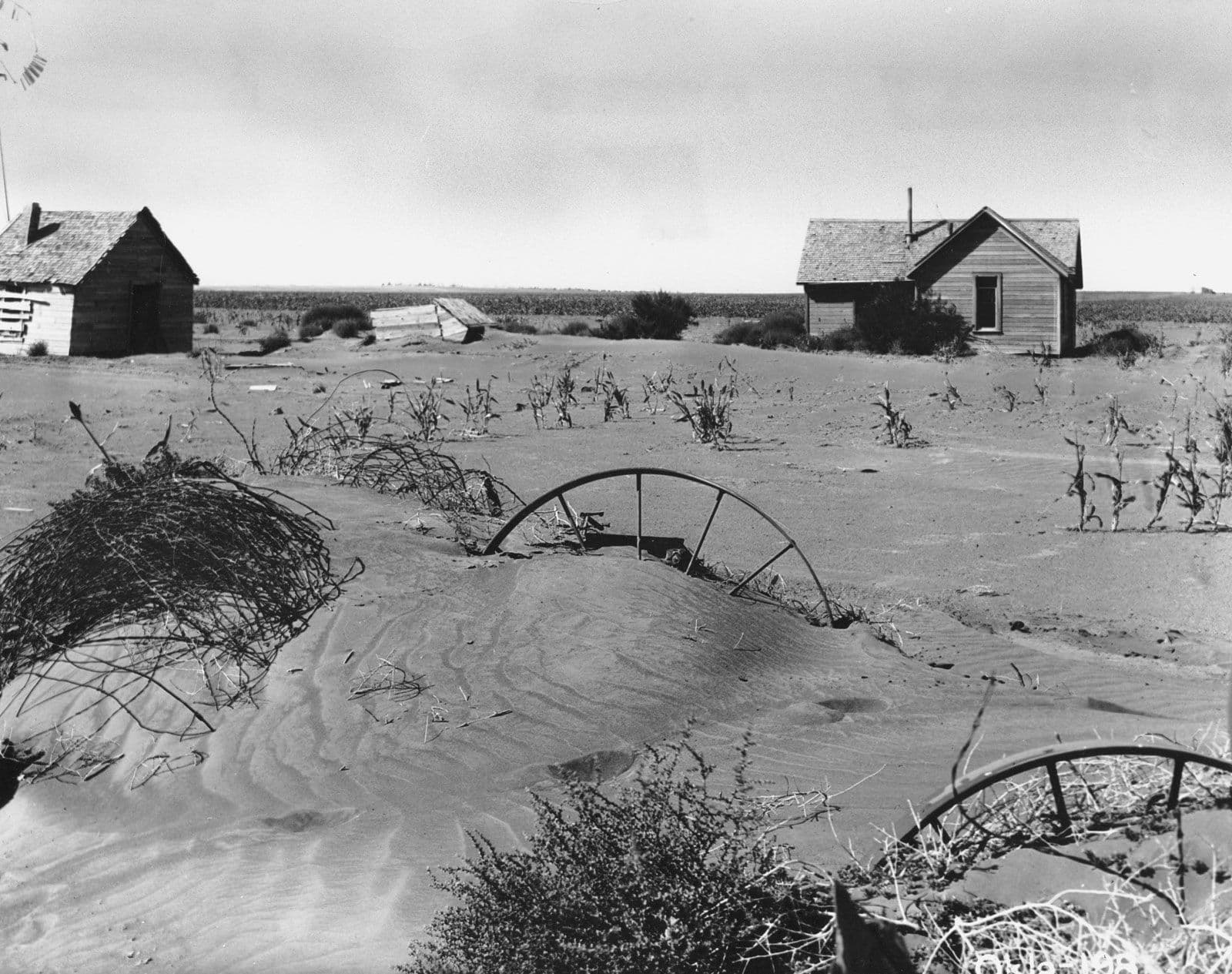
The No Man’s Land Historical Museum in Goodwell serves as the Panhandle’s primary local-history repository, combining public exhibits with a working archive that supports schools, family researchers, and touring visitors. Located near Sewell Street, the museum is operated by the No Man’s Land Historical Society and features both permanent and rotating displays that document pioneer settlement, the Dust Bowl era, and the region’s agricultural life.
Visitors can view agricultural equipment and period household items alongside local maps, tax rolls, and natural-history specimens. Community donations form an important part of the holdings, including named collections such as the Baker and Duckett collections that preserve family papers and artifacts. The museum’s dual role as exhibit space and research resource makes it a frequent destination for school field trips and scholars seeking primary-source materials tied to settlement and rural life in what was historically called No Man’s Land.
For local residents, the museum functions as active cultural infrastructure. Archival materials such as early maps and tax rolls help families trace property and genealogical histories, while Dust Bowl-era artifacts provide tangible context for agricultural resilience and land-use change. These resources carry practical value for educators designing local-history curricula and for county planners and preservationists aiming to anchor community identity in place-based evidence.
There are also economic implications for Texas County. Small museums like this one help anchor heritage tourism across the Panhandle by drawing school groups, researchers, and seasonal visitors who in turn support nearby businesses. The museum’s partnerships with local institutions amplify its reach: by sharing materials and expertise, it strengthens regional educational programming and can help leverage grant funding and volunteer labor that underpins rural cultural services.
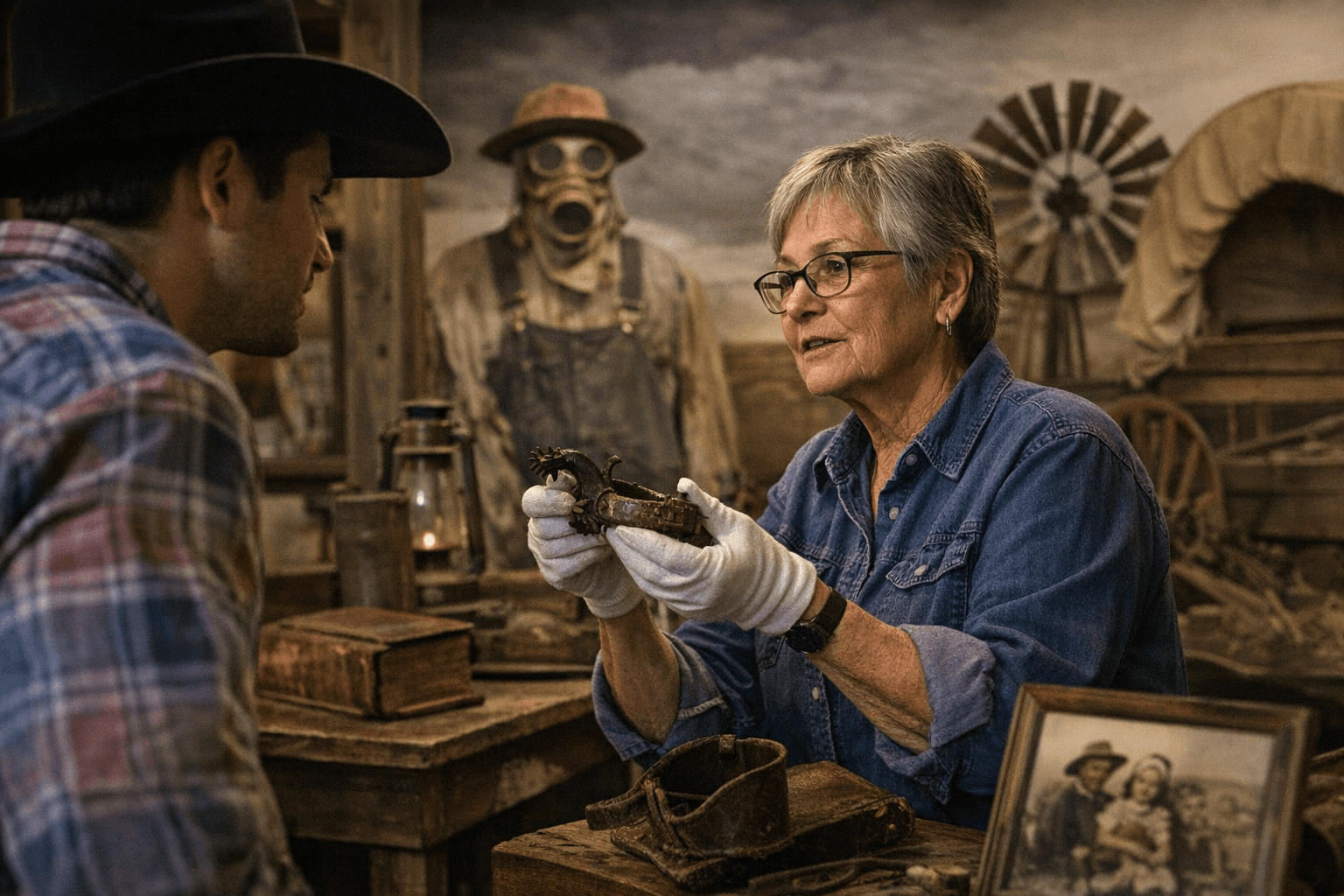
From a policy perspective, maintaining access to primary-source collections is a long-term investment in cultural capital. Continued support for cataloging, climate-controlled storage, and digitization would expand the museum’s research role and make fragile documents more widely available without increasing wear on originals. That matters for disaster-era records that inform agricultural history and local land-management discussions today.
The takeaway? Visit the museum, bring family records or questions, and consider how local support for small cultural institutions fuels both community memory and modest economic activity. Our two cents? Backing the museum’s preservation work is a practical way to keep Panhandle history useful for classrooms, researchers, and neighbors alike.
Sources:
Know something we missed? Have a correction or additional information?
Submit a Tip