Governor Armstrong Sets January Session to Allocate Rural Health Funds
Governor Kelly Armstrong set January 21 as a tentative date for a special legislative session to allocate federal rural health funding, pending confirmation of the state award. The session could reshape health services in Stutsman County by directing federal dollars toward workforce, preventive care, local access, and technology improvements.
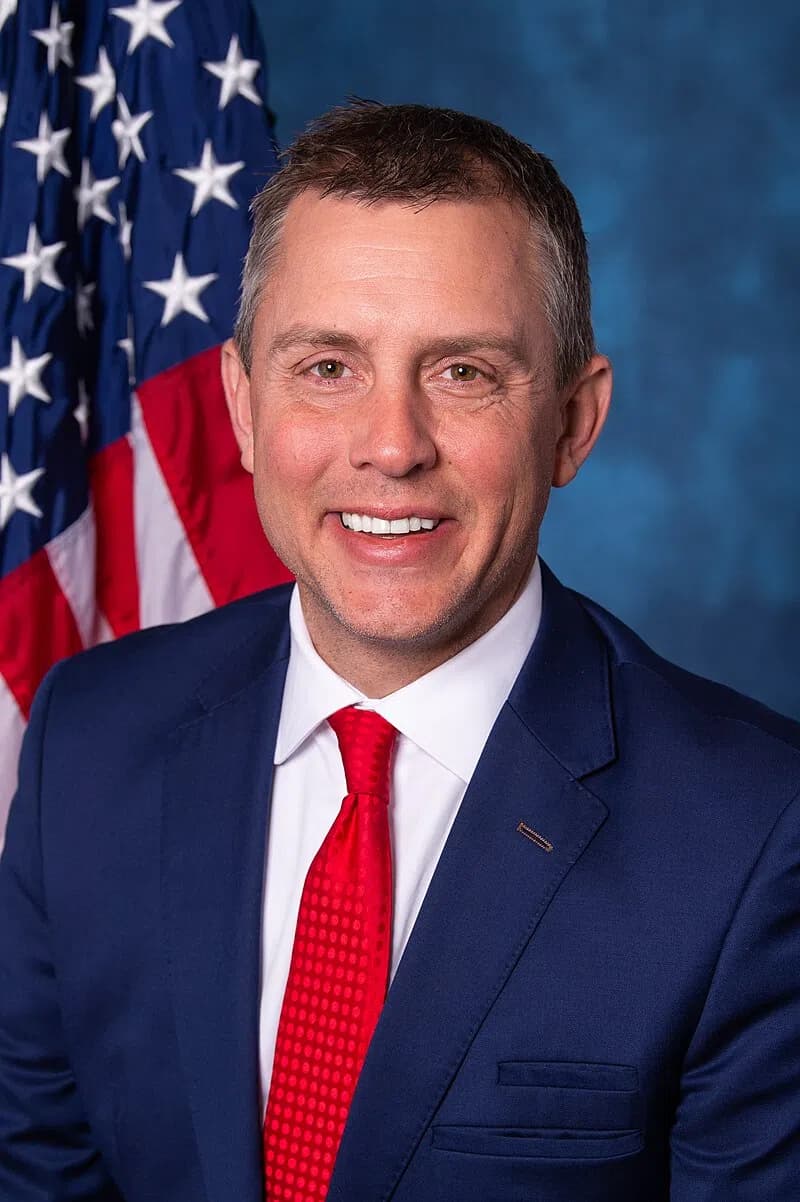
On December 5, Governor Kelly Armstrong designated January 21 as the tentative start date for a special legislative session whose sole purpose will be to allocate federal rural health dollars, subject to confirmation of North Dakota's award. The state applied in November for its share of a $50 billion Rural Health Transformation Program, and award announcements are expected by December 31. Once the Centers for Medicare and Medicaid Services announces the award, the governor will issue an executive order officially convening lawmakers.
State officials framed the session narrowly, and legislative leaders intend to keep the agenda focused only on distributing the federal funds. Statutory requirements mean the session must last at least three days. That constraint will shape how quickly lawmakers can review proposals, negotiate allocations, and approve spending directed at rural health priorities.
North Dakota's application emphasizes strengthening the rural health workforce, increasing preventive care, bringing care closer to home, and improving technology and data integration. For Stutsman County residents and providers, those priorities translate into potential investments in recruitment and retention of clinicians, expanded preventive screening and outreach, more robust local clinic capacity, and upgrades to telehealth and health information systems. Local hospitals, clinics, long term care facilities, emergency medical services, and public health departments stand to benefit from targeted grants and infrastructure dollars if the award is confirmed.

The limited scope of the special session carries both advantages and risks. A focused agenda could speed the flow of federal money into rural communities, but it also limits lawmakers from addressing related policy issues such as Medicaid policy changes, broader workforce licensing, or county funding adjustments during the same convening. The procedural timetable places pressure on county leaders and health providers to prepare concrete spending proposals quickly so they can be considered within the mandated window.
Residents should monitor the CMS announcement expected by December 31 and follow the governor's executive order to know when lawmakers will meet. Local officials will need to engage with legislators early to ensure Stutsman County priorities are visible when allocations are debated and approved.
Sources:
Know something we missed? Have a correction or additional information?
Submit a Tip