Greece Approves Israeli Rocket Systems, Bolsters Border and Island Defences
Greece’s parliamentary defence committee approved the purchase of 36 Israeli PULS rocket artillery systems for roughly €650 to €700 million, a move designed to strengthen positions along its northeastern land frontier and across Aegean islands. The decision is part of a €28 billion multi year modernisation plan through 2036 and signals deeper defence ties with Israel as Athens seeks greater deterrence amid prolonged tensions with Turkey.
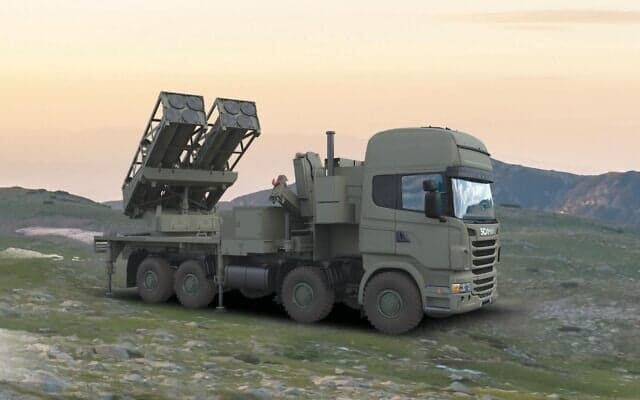
Greek lawmakers on December 4 moved decisively to bolster the country’s long term military posture by approving the acquisition of 36 PULS rocket artillery systems from Israel’s Elbit, officials said. The committee vote cleared a procurement valued at about €650 to €700 million and was described by government sources as a key element in a €28 billion multi year plan to modernise the armed forces through 2036.
Athens framed the purchase as necessary to strengthen defences along its northeastern land border and to better protect Aegean islands that have been at the centre of recurring disputes with neighbouring Turkey. The package includes arrangements for local production of some components, an industrial offset intended to deepen defence industry cooperation and to create domestic jobs while transferring technical know how to Greek firms.
The systems are expected to give the Hellenic Armed Forces an enhanced capacity to deliver long range precision fires and to conduct rapid, dispersed strikes in contested terrain. Military planners argue such capability complicates an adversary’s calculus and contributes to deterrence without immediately escalating offensive posture. The acquisition follows months of talks between Athens and Israeli partners and comes as separate negotiations continue on a reported €3 billion anti aircraft and missile defence programme with Israeli firms.
The deal illustrates an intensifying strategic relationship between Greece and Israel that has grown since the last decade, driven by shared security concerns in the Eastern Mediterranean and converging interests in energy security, counterterrorism and regional stability. For Athens the Elbit purchase is both a technical upgrade and a diplomatic signal that it can draw on a wider set of partners beyond NATO and the European Union when shaping its security architecture.
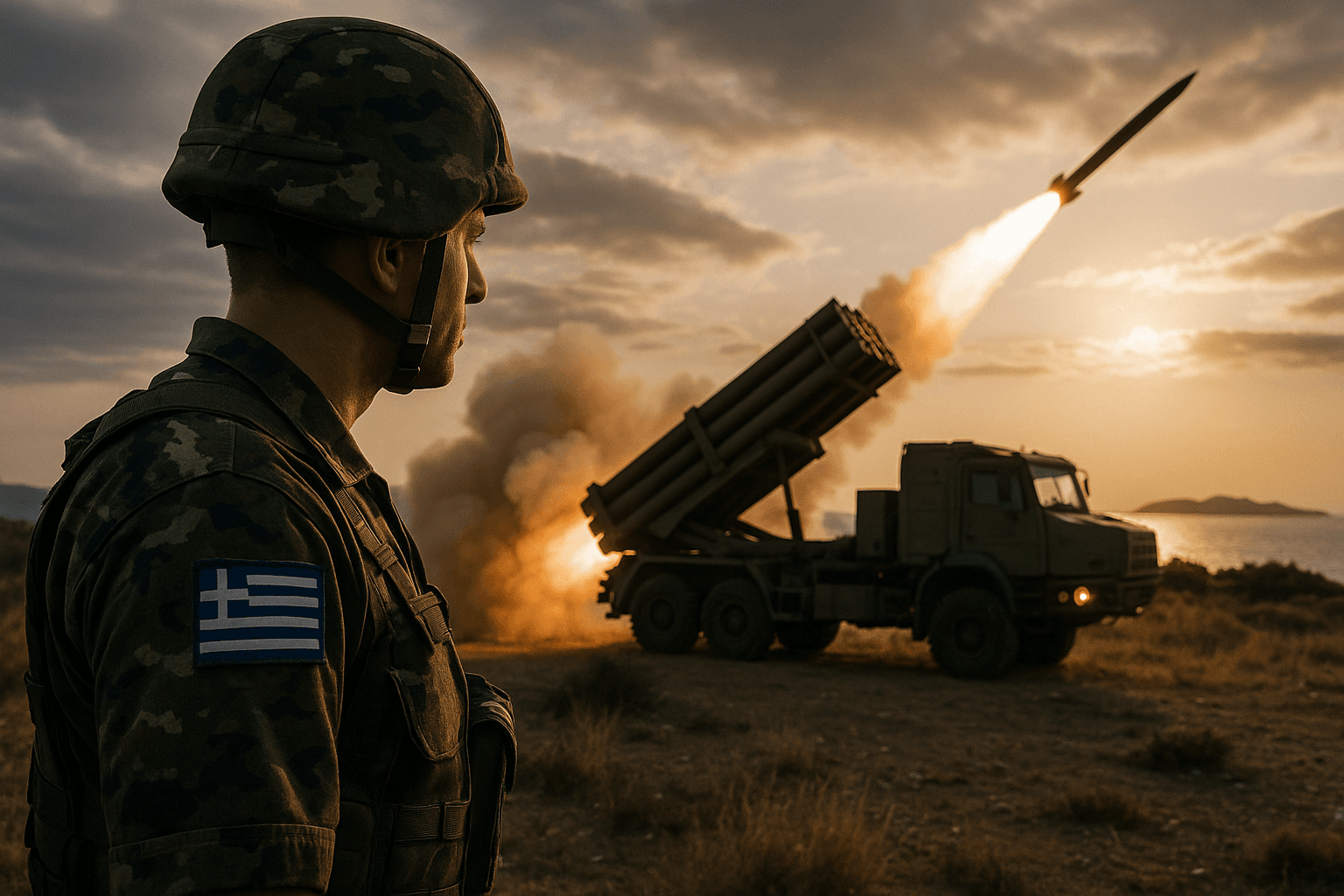
That wider diplomatic arithmetic will be closely watched in Brussels and Washington. Both Greece and Turkey remain NATO members, and major arms transfers and interoperability projects can produce friction inside the alliance when they are seen as altering local balances. Legal and export control frameworks will shape the final implementation of the contract, while parliamentary scrutiny in Athens is likely to focus on costs, offsets and timelines as the procurement moves toward final approval and delivery.
Domestically the government has argued the investments are essential to deter escalation and protect citizens on islands and border communities. Critics will press on budgetary priorities and on the risk of an arms spiral in a region where sovereignty, airspace and maritime rights disputes have persisted for decades.
As Athens advances the procurement, its leaders face the dual challenge of strengthening national defence while managing diplomatic channels with Ankara. The purchase of PULS systems is therefore both a tactical upgrade in capability and a strategic step in a wider geopolitical contest over influence, deterrence and the rules that govern contested spaces in the Eastern Mediterranean.